EN
EN
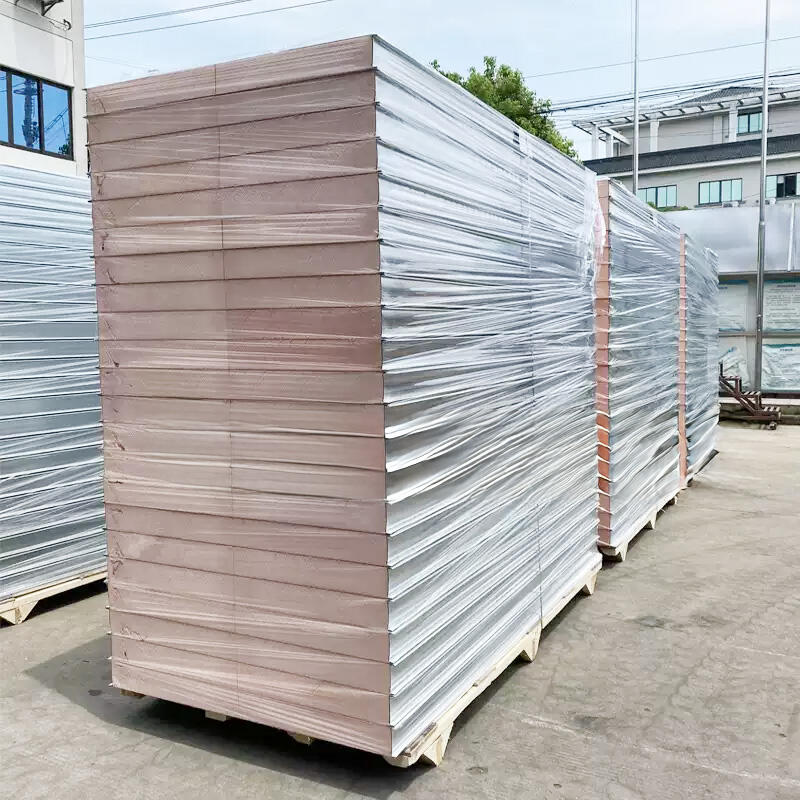
Երբ ինժեներները և նախագծերի ղեկավարները գնահատում են պատերի համակարգերը նախապատրաստված շինարարության համար, ջերմային կատարումը միշտ մտնում է ամենակարևոր որոշման չափանիշների շարքում։ ePS կանաչ պատեր այս պահանջը անմիջապես բավարարվում է թեթև ընդլայնված պոլիստիրենի սերդերի և կոշտ երկաթբետոնե մակերեսների միացմամբ՝ ստեղծելով բաղադրյալ պատի տարր, որը ջերմափոխանակության դեմ դիմացողությունն ավելի բարձր է, քան սովորական քարե կամ մեկ շերտից բաղկացած մետաղական պատվանդանների դեպքում։ Հասկանալը, թե ինչպես է տեղի ունենում այս բարելավումը՝ ինչպես նաև ինչու է դա կարևոր նախապատրաստված շինարարության ժամանակացույցի, էներգային կոդերի և շենքի օգտագործողների հարմարավետության համար, անհրաժեշտ է բոլոր այն մասնագետների համար, ովքեր մոդուլային կամ նախապատրաստված շենքերի նախագծերում ընտրում են պատերի համակարգեր։
ԷՊՍ սենդվիչ պանելի ջերմային մեկուսացման մեխանիզմը ոչ մի պատահականություն է — դա նյութագիտության, պանելի երկրաչափական ձևավորման և արտադրության ճշգրտության համատեղ աշխատանքի ուղղակի արդյունքն է: Նախապատրաստված շենքերի շինարարական նախագծերում, որտեղ պատերի պանելները պատրաստվում են վայրից դուրս և արագ հավաքվում են շինարարական վայրում, յուրաքանչյուր պանելի համար հաստատուն և չափելի ջերմային մեկուսացման արժեքներ ապահովելը կարևոր օպերացիոն և համապատասխանության առավելություն է տալիս: Այս հոդվածը բացատրում է հիմքում ընկած մեխանիզմները, կառուցվածքային գործոնները, որոնք ամրապնդում են ջերմային կատարողականությունը, և նախապատրաստված նախագծերի թիմերի համար պատերի համակարգերի ընտրության գործնական հետևանքները:
ԷՊՍ-ի ջերմային դիմադրության հիմնարար մեխանիզմը
Ինչպես է ընդարձակված պոլիստիրոլը արգելափակում ջերմային փոխանցումը
ԷՊՍ սենդվիչ պանելի մեկուսացնող հատկությունը բխում է ընդարձակված պոլիստիրոլի ֆիզիկական կառուցվածքից: ԷՊՍ-ը բաղկացած է միլիոնավոր փոքրիկ, փակ բջիջներից, որոնք պարունակում են օդ և գտնվում են կոշտ պոլիմերային մատրիցայի մեջ: Օդը շենքերի շինանյութերի մեջ ամենաթույլ ջերմահաղորդիչներից մեկն է, և երբ այն ամրացված է փակ բջիջների մեջ, ճարտարապետական ջերմափոխանակությունը նույնպես ճնշվում է: Արդյունքում ստացվում է մի միջուկային նյութ, որի ջերմահաղորդականության գործակիցը սովորաբար 0,032–0,038 Վտ/մ·Կ միջակայքում է, ինչը զգալիորեն ցածր է բետոնի, աղյուսի կամ ստանդարտ պողպատի ցուցանիշներից:
Գործնական տեսանկյունից սա նշանակում է, որ ջերմությունը, որը փորձում է անցնել պատի միջով՝ արտաքին տաք միջավայրից ամառային պայմաններում կամ արտաքին սառը միջավայրից ձմեռային պայմաններում, հանդիպում է մեծ դիմադրության EPS միջադիր շերտում: EPS սենդվիչ պանելը օգտագործում է այս հատկությունը՝ տեղադրելով EPS միջադիր շերտը որպես պատի կառուցվածքի հիմնական հաստություն ունեցող բաղադրիչ, որի հաստությունը սովորաբար տատանվում է 50 մմ-ից մինչև 200 մմ՝ կախված կլիմայական գոտուց և էներգետիկ կոդերի պահանջներից: Ո quanto մեծ է EPS միջադիր շերտի հաստությունը, այնքան բարձր է պանելի ընդհանուր R-արժեքը, ինչը նախագծողներին տալիս է պարզ միջոց ջերմային կատարողականը ճշգրտելու նախագծի սահմանափակումներին համապատասխան:
Ի տարբերություն մածուցիկ մեկուսացման նյութերի, որոնք կարող են հաստանալ, կլանել խոնավություն կամ կորցնել խտություն ժամանակի ընթացքում, EPS-ը պահպանում է իր բջջային կառուցվածքը և ջերմային դիմադրությունը շենքի ամբողջ օգտագործման ժամանակահատվածում: Այս չափային կայունությունը հատկապես կարևոր է նախապատրաստված շինարարության մեջ, որտեղ սալիկները մշակվում, տեղափոխվում և տեղադրվում են տարբեր վայրերում գործող պայմաններում՝ մինչև շենքի շրջանակը ամբողջությամբ կնքվի:
Ստալեի մետաղապատման դերը ջերմային համակարգում
Ստալեն հիասքանչ կառուցվածքային նյութ է, սակայն վատ ջերմամեկուսիչ: EPS սանդվիչ սալիկում ստալեի մետաղապատումները կատարում են կառուցվածքային և եղանակային պաշտպանության ֆունկցիաներ, իսկ EPS սրտամիջը՝ ջերմային բեռը: Նախագծում այս դերերը համարձակ առանձնացված են, որպեսզի յուրաքանչյուր նյութ կարողանա իր հիմնական ֆունկցիան առանց որևէ վտանգի կատարել: Ստալեի շերտերը ապահովում են կոշտություն, հարվածային դիմադրություն և վերջնական մակերես, իսկ EPS սրտամիջը ապահովում է անընդհատ մեկուսացման շերտը, որը կանխում է ջերմային կամուրջների առաջացումը սալիկի մարմնում:
Պանելների դիզայնում ջերմային համակարգերի մեջ ավելի բարդ հաշվառման առարկաներից մեկը պանելի եզրերում և միացման տեղերում երկու ստալե մակերեսների միջև կապն է: Լավ մշակված EPS սանդվիչ պանելների համակարգերը օգտագործում են լեզվա-ակոսային կամ կամերային փակաղակի միացման պրոֆիլներ, որոնք պահպանում են EPS-ի անընդհատությունը միացման կետերում՝ նվազեցնելով մետաղից մետաղ կապը, որը հակառակ դեպքում կառաջացներ ջերմային կամուրջներ: Այս միացման ձևավորումը կարևոր մանրամասնություն է, որը տարբերակում է բարձր կատարողականությամբ պանելները ցածր որակի այլընտրանքներից և ուղղակիորեն ազդում է հավաքված պատի իրական ջերմային կատարողականության վրա:
Ինչպես են EPS սանդվիչ պանելները ապահովում նախապատրաստված շինարարության մեջ հաստատուն ջերմամեկուսացում
Գործարանային արտադրություն և վերահսկվող ջերմամեկուսացման որակ
Պրեֆաբրիկացված նախագծերում EPS սենդվիչ պանելների օգտագործման ամենակարևոր ջերմային առավելություններից մեկը գործարանային արտադրության շնորհիվ ձեռք բերված համասեռությունն է: Ավանդական՝ շինարարական հրապարակում կատարվող շինարարության դեպքում ջերմամեկուսացումը ձեռքով են տեղադրում աշխատողները՝ փոփոխական պայմաններում. ճեղքերը, սեղմումը և անհամապատասխանությունները հաճախ հանգեցնում են ջերմային արդյունավետության նվազմանը: Կառավարվող արտադրական միջավայրում EPS միջուկը ճշգրիտ ճնշման և սոսնձման պայմաններում միացվում է պողպատե մակերեսներին՝ ապահովելով ամբողջ պանելի մակերեսի վրա առանց դատարկ տարածքների կամ ընդհատումների լրիվ շփում:
Այս արտադրական համապատասխանությունը նշանակում է, որ յուրաքանչյուր EPS սենդվիչ սալիկ, որը մատակարարվում է նախապատրաստված շինարարական օբյեկտի վայր, ունի կանխատեսելի և սերտիֆիկացված ջերմային դիմադրության արժեք: Նախագծի ինժեներները կարող են վստահությամբ հաշվարկել շենքի ընդհանուր ջերմային շրջափակման արդյունքները՝ իմանալով, որ տեղադրված սալիկները համապատասխանելու են նշված R-արժեքներին: Այս կանխատեսելիությունը պարզեցնում է էներգախնայողական կոդերի և «կանաչ» շենքերի սերտիֆիկացման պահանջների կատարումը, որոնք ավելի ու ավելի շատ պահանջում են փաստացի մեկնաբանված մեկուսացման արդյունքներ, այլ ոչ թե ենթադրվող արժեքներ:
Գործարանային արտադրությունը նաև հնարավորություն է տալիս իրականացնել որակի վերահսկման ստուգումներ՝ ներառյալ սալիկների հաստության ստուգումը, կպչունության փորձարկումը և մակերևույթի զննումը, մինչև սալիկները լքեն արտադրամասը: Ցանկացած սալիկ, որը չի համապատասխանում ջերմային կամ կառուցվածքային սպեցիֆիկացիաներին, կարող է նույնիսկ օբյեկտի վայր հասնելուց առաջ նույնացվել և մերժվել, ինչը որակի երաշխավորման մակարդակ է, որը դժվար է վերարտադրել վայրում տեղադրվող մեկուսացման համակարգերում:
Արագ հավաքածու և շրջափակման անընդհատություն
Նախապատրաստված շենքերի շինարարական նախագծերում հավաքագրման արագությունը հիմնարար արժեքային առաջարկ է: EPS սանդվիչ սալիկները այս հատկանիշը աջակցում են նրանով, որ վերջնական տեսքով՝ որպես ամբողջական պատի տարր (կառուցվածք, ջերմամեկուսացում և արտաքին պատուհանապատում՝ մեկ միավորում) են հասնում շինարարական հրապարակ: Հավաքագրման աշխատակազմերը չեն պետք համակարգավորել կառուցվածքի մոնտաժի, ջերմամեկուսացման և արտաքին պատուհանապատման համար առանձին մասնագիտացված աշխատանքները, քանի որ սալիկը միաժամանակ կատարում է բոլոր երեք ֆունկցիաները: Այս ինտեգրումը նվազեցնում է շենքի շրջապատի անավարտ և եղանակային ազդեցության ենթակա լինելու շինարարական փուլերի քանակը, ինչը, իր հերթին, նվազեցնում է խոնավի ներթափանցման ռիսկը, որը ժամանակի ընթացքում կարող է վատացնել ջերմամեկուսացման արդյունավետությունը:
Փայտամետաղային սանդվիչ պանելների միացման համակարգերը նույնպես նպաստում են ջերմային շարունակականության ապահովմանը պատի մակարդակում: Երբ պանելները ճիշտ են տեղադրված՝ իրենց նախատեսված միացման պրոֆիլներով, ԷՊՍ սերդերը անընդհատ ձգվում են մեկ պանելից մյուսը՝ նվազագույն ընդհատումներով: Այս անընդհատ մեկուսացման շերտը ջերմային առումով գերազանցում է այն կառուցվածքները, որտեղ մեկուսացումը տեղադրված է կառուցվածքային տարրերի միջև, քանի որ վերացնում է ջերմային կամուրջները, որոնք առաջանում են շրջանակավորված պատի յուրաքանչյուր սյունակում կամ ստանդում:
Ջերմային կատարողականի գործոններ, որոնք ազդում են պանելների ընտրության վրա
Պանելի հաստություն և R-արժեքի նպատակային ցուցանիշներ
Նախապատրաստված պատի հավաքածուում նպատակային ջերմային դիմադրության հասնելու հիմնական լծակն է EPS սենդվիչ վահանակի ճիշտ հաստության ընտրությունը: EPS հաստության և R-արժեքի միջև կապը մոտավորապես գծային է՝ միջուկի հաստության կրկնապատկումը մոտավորապես կրկնապատկում է ջերմային դիմադրությունը: Մեղմ կլիմայական պայմաններում նախագծերի համար 50 մմ կամ 75 մմ EPS սենդվիչ վահանակը կարող է հարմարավետորեն բավարարել էներգետիկ կոդի պահանջները: Սառը կլիմայական պայմաններում նախագծերը կամ բարձր արդյունավետության էներգետիկ չափանիշներին ուղղված նախագծերը կարող են պահանջել 100 մմ, 150 մմ կամ նույնիսկ 200 մմ միջուկներ՝ անհրաժեշտ R-արժեքներին հասնելու համար:
Կարևոր է գնահատել պատի ընդհանուր R-արժեքը՝ ոչ միայն պանելի միջուկի արժեքը, երբ նշվում է EPS սանդվիչ պանել: Պողպատե մակերեսները ներդրում չեն ունենում մեկուսացման մեջ, սակայն փոքր թերմային զանգված են ավելացնում: Միացման համակարգը, ցանկացած երկրորդային կառուցվածքը և ներքին վերջավորման շերտը բոլորը ազդում են հավաքված պատի ընդհանուր ջերմային կատարողականության վրա: Հիմանավորված ջերմային վերլուծությունը պետք է հաշվի առնի բոլոր այս բաղադրիչները, հատկապես անկյուններում, բացվածքներում և տանիքի ու պատի միացման տեղերում, որտեղ ջերմային կամուրջների ռիսկը ամենաբարձրն է:
EPS-ի խտություն և երկարաժամկետ մեկուսացման կայունություն
Որոշ EPS միջուկներ սանդվիչային պանելներում չեն արտադրվում նույն խտությամբ: Բարձր խտության EPS-ը մեկ միավոր հաստության վրա առաջարկում է մի փոքր լավացված ջերմային դիմադրություն, սակայն ավելի կարևորն այն է, որ այն ապահովում է մեծ սեղմման դիմադրություն և չափային կայունություն բեռնվածության տակ: Նախապատրաստված պատերի կիրառման դեպքում, երբ պանելները կարող են միմյանց վրա դասավորվել տրանսպորտավորման ժամանակ կամ ենթարկվել քամու ճնշման շահագործման ընթացքում, բարձր խտության EPS-ը նվազեցնում է միջուկի սեղմման վտանգը, որը ժամանակի ընթացքում կարող է նվազեցնել արդյունավետ մեկուսացման հաստությունը:
EPS-ը նաև բնականաբար դիմացկուն է խոնավության կլանման նկատմամբ՝ համեմատած միներալային բամբակի կամ բաց բջիջներով փրփուրային այլընտրանքների հետ: Իզոլյացիոն սալիկի մեջ ջրի ներթափանցումը թերմային կատարողականության համար երկարաժամկետ վնասակար սպառնալիքներից մեկն է, քանի որ ջուրը ջերմությունը հաղորդում է շատ ավելի արդյունավետ, քան օդը: EPS-ի փակ բջիջներով կառուցված սալիկների կառուցվածքը դիմացկուն է կապիլյար կլանման նկատմամբ, այսինքն՝ նույնիսկ խոնավ կլիմայական գոտիներում կամ խոնավության կոնդենսացիայի վտանգի առկայության դեպքում սալիկի միջուկի ջերմամեկուսացման արժեքը մնում է կայուն շենքի ամբողջ ծառայության ժամանակահատվածում:
Նախագծողները պետք է պահանջեն սալիկների մատակարարներից խտության և ջերմահաղորդականության վերաբերյալ սերտիֆիկատներ՝ հաստատելու համար, որ EPS-ի միջուկը համապատասխանում է շենքի էներգետիկ մոդելում օգտագործված կատարողականի ենթադրություններին: Այս փաստաթղթերը ավելի ու ավելի հաճախ են պահանջվում շենքերի վարչությունների և էներգետիկ աուդիտորների կողմից՝ որպես պատրաստի շենքերի համապատասխանության գրառման մաս:
Պրակտիկ հետևանքներ պատրաստի նախագծերի թիմերի համար
Էներգիայի ծախսերի նվազեցում և շենքի օգտագործողների հարմարավետություն
ԷՊՍ սենդվիչ պանելների տրամադրած ջերմային մեկուսացումը անմիջապես նվազեցնում է շենքի մեխանիկական համակարգերի տաքացման և սառեցման բեռնվածքը: Նախապատրաստված կառույցներում, որոնք օգտագործվում են որպես գրասենյակներ, հյուրանոցներ, շինարարական հրապարակների տեղակայման վայրեր կամ թեթև արդյունաբերական շենքեր, ցածր ջերմային բեռնվածքը նշանակում է փոքր չափսերի HVAC սարքավորումներ, նվազած էներգասպառում և շենքի շահագործման ընթացքում ցածր շահագործման ծախսեր: Ծրագրի սեփականատերերի համար, ովքեր գնահատում են ընդհանուր սեփականատիրային ծախսերը՝ ոչ միայն սկզբնական շինարարական ծախսերը, լավ մեկուսացված ԷՊՍ սենդվիչ պանելներից պատերի համակարգի շնորհիվ ստացված էներգախնայողությունը ներկայացնում է նշանակալի ֆինանսական վերադարձ:
Օգտագործողների հարմարավետությունը նույնպես հավասարապես կարևոր է, հատկապես երկար ժամանակ օգտագործվող շենքերում: Բարձր ջերմային դիմադրություն ունեցող պատերի համակարգը պահպանում է ներքին մակերևույթների ավելի կայուն ջերմաստիճաններ, ինչը նվազեցնում է օգտագործողների կողմից ձմռանը սառը պատերի մոտ զգացվող ճառագայթային ջերմության կորուստը և ամռանը տաք պատերի մոտ ճառագայթային ջերմության ստացումը: Այս ջերմային հարմարավետության բարելավումը շենքերի օգտագործողների կողմից հաճախ նշվում է որպես պրեֆաբրիկացված կառույցների որակի կյանքի ամենանկատելի բարելավումներից մեկը, որոնք կառուցված են EPS սանդվիչ պանելներից, համեմատած ավելի հին՝ նվազագույն ջերմամեկուսացում ունեցող մետաղական պատվածքով շենքերի հետ:
Համապատասխանություն էներգետիկ կոդերի և «կանաչ» շենքերի ստանդարտների
Շատ շուկաներում էներգիայի կոդերը այժմ սահմանում են առևտրային և արդյունաբերական շենքերի համար պատերի R-արժեքների նվազագույն կամ U-արժեքների առավելագույն սահմաններ: Տարածված ջերմային դիմադրության արժեքով ԷՊՍ սենդվիչ պանելը պարզեցնում է համապատասխանության ցուցադրման գործընթացը, քանի որ պանելի աշխատանքային ցուցանիշները սերտիֆիկացված են արտադրանքի մակարդակում՝ այլ ոչ թե դաշտում տեղադրված բաղադրիչներից հաշվարկված: Սա գործնական առավելություն է թույլատրման և ստուգման գործընթացում, որտեղ շենքերի պաշտոնյաները ավելի շատ են պահանջում արտադրանքի տվյալների թերթիկներ և երրորդ կողմի փորձարկումների զեկույցներ, քան ընդունում են մատակարարների գնահատականները:
Կանաչ շենքերի ստանդարտների կամ կորպորատիվ կայուն զարգացման նպատակների համար նախատեսված նախագծերի դեպքում EPS սանդվիչ սալիկների ջերմային կատարողականը ուղղակիորեն նպաստում է էներգախնայողության վարկանիշների ստացմանը: Հնարավորությունը՝ ճշգրիտ նշելու R-արժեքը, այն հաստատելու արտադրողի վկայագրով և ստուգելու սալիկների արտադրության որակի վերահսկման մասին գրառումներով, տրամադրում է կայուն զարգացման խորհրդատվականներին և էներգետիկ մոդելավորողներին անհրաժեշտ տվյալները՝ վստահությամբ աջակցելու սերտիֆիկացման հայտերի ներկայացմանը:
Հաճախադեպ տրվող հարցեր
Стандартային EPS սանդվիչ սալիկն ինչ R-արժեք է ապահովում:
EPS սանդվիչ սալիկի R-արժեքը կախված է հիմնականում ԷՊՍ սերդերի հաստությունից: 75 մմ հաստությամբ սալիկը սովորաբար ձեռք է բերում R-2.5–R-3.0 (մ²·Կ/Վտ) միջակայքում R-արժեք, իսկ 100 մմ հաստությամբ սալիկը՝ մոտավորապես R-3.5–R-4.0: Ճշգրիտ արժեքները կարող են փոփոխվել ԷՊՍ-ի խտության և արտադրական գործընթացի կախման սկզբունքով, հետևաբար ճշգրիտ սպեցիֆիկացիայի աշխատանքների համար միշտ պետք է պահանջել սալիկի մատակարարի կողմից հաստատված ջերմային փորձարկման տվյալներ:
Արդյոք խոնավությունը ազդում է EPS սենդվիչ պանելի ջերմային կատարողականության վրա ժամանակի ընթացքում?
EPS-ը շատ ցածր խոնավության կլանման արագություն ունի՝ իր փակ բջիջների կառուցվածքի շնորհիվ, որը նշանակում է, որ EPS սենդվիչ պանելի ջերմային դիմադրությունը մնում է հիմնականում կայուն, նույնիսկ խոնավ միջավայրում: Սակայն, եթե պողպատե մակերեսները վնասված են և ջուրը ներթափանցում է միջուկի մեջ, կատարողականությունը կարող է վատանալ: Երկարատև մեկուսացման ամբողջականության պահպանման համար կարևոր են ճիշտ միացման ամրացումը և մակերեսի պահպանումը:
Ինչպե՞ս է EPS սենդվիչ պանելը համեմատվում կառուցված վայրում մեկուսացված պատի հետ ջերմային առումով:
EPS սանդվիչ պանելը սովորաբար գերազանցում է համապատասխան նոմինալ հաստությամբ կառուցված մեկուսացված պատը, քանի որ վերացնում է կառուցվածքային տարրերի միջոցով ջերմային կամուրջները և ապահովում է շարունակական մեկուսացման ծածկույթ: Ստուդիայի միջև մեկուսացում ունեցող կառուցված պատերը յուրաքանչյուր կառուցվածքային տարրի մոտ կորցնում են իրենց արդյունավետ R-արժեքը, ինչը կարող է նվազեցնել ամբողջ պատի ջերմային դիմադրությունը 20–30 տոկոսով՝ համեմատած միայն խոռոչի մեկուսացման արժեքի հետ: EPS սանդվիչ պանելը խուսափում է այս կորստից՝ իր շարունակական միջուկի դիզայնի շնորհիվ:
Կարո՞ղ է EPS սանդվիչ պանելը բավարարել սառը կլիմայով նախապատրաստված նախագծերի ջերմային պահանջները:
Այո: Ընտրելով ավելի հաստ EPS միջուկ՝ սովորաբար 150 մմ կամ 200 մմ, EPS սանդվիչ պանելը կարող է հասնել ցածր ջերմաստիճանների դեպքում էներգախնայողության կոդերի կողմից պահանջվող բարձր R-արժեքների: Պանելի համակարգի շարունակական մեկուսացման դիզայնը և ցածր ջերմահաղորդականությամբ միջուկը այն հարմարեցնում են պահանջկոտ ջերմային միջավայրերի համար, եթե միացման համակարգը և մոնտաժի մանրամասները ճիշտ են իրականացված՝ ապահովելով շենքի շրջապատի անընդհատությունը բոլոր միացումներում:
Բովանդակության ցուցակ
- ԷՊՍ-ի ջերմային դիմադրության հիմնարար մեխանիզմը
- Ինչպես են EPS սանդվիչ պանելները ապահովում նախապատրաստված շինարարության մեջ հաստատուն ջերմամեկուսացում
- Ջերմային կատարողականի գործոններ, որոնք ազդում են պանելների ընտրության վրա
- Պրակտիկ հետևանքներ պատրաստի նախագծերի թիմերի համար
-
Հաճախադեպ տրվող հարցեր
- Стандартային EPS սանդվիչ սալիկն ինչ R-արժեք է ապահովում:
- Արդյոք խոնավությունը ազդում է EPS սենդվիչ պանելի ջերմային կատարողականության վրա ժամանակի ընթացքում?
- Ինչպե՞ս է EPS սենդվիչ պանելը համեմատվում կառուցված վայրում մեկուսացված պատի հետ ջերմային առումով:
- Կարո՞ղ է EPS սանդվիչ պանելը բավարարել սառը կլիմայով նախապատրաստված նախագծերի ջերմային պահանջները: