EN
EN
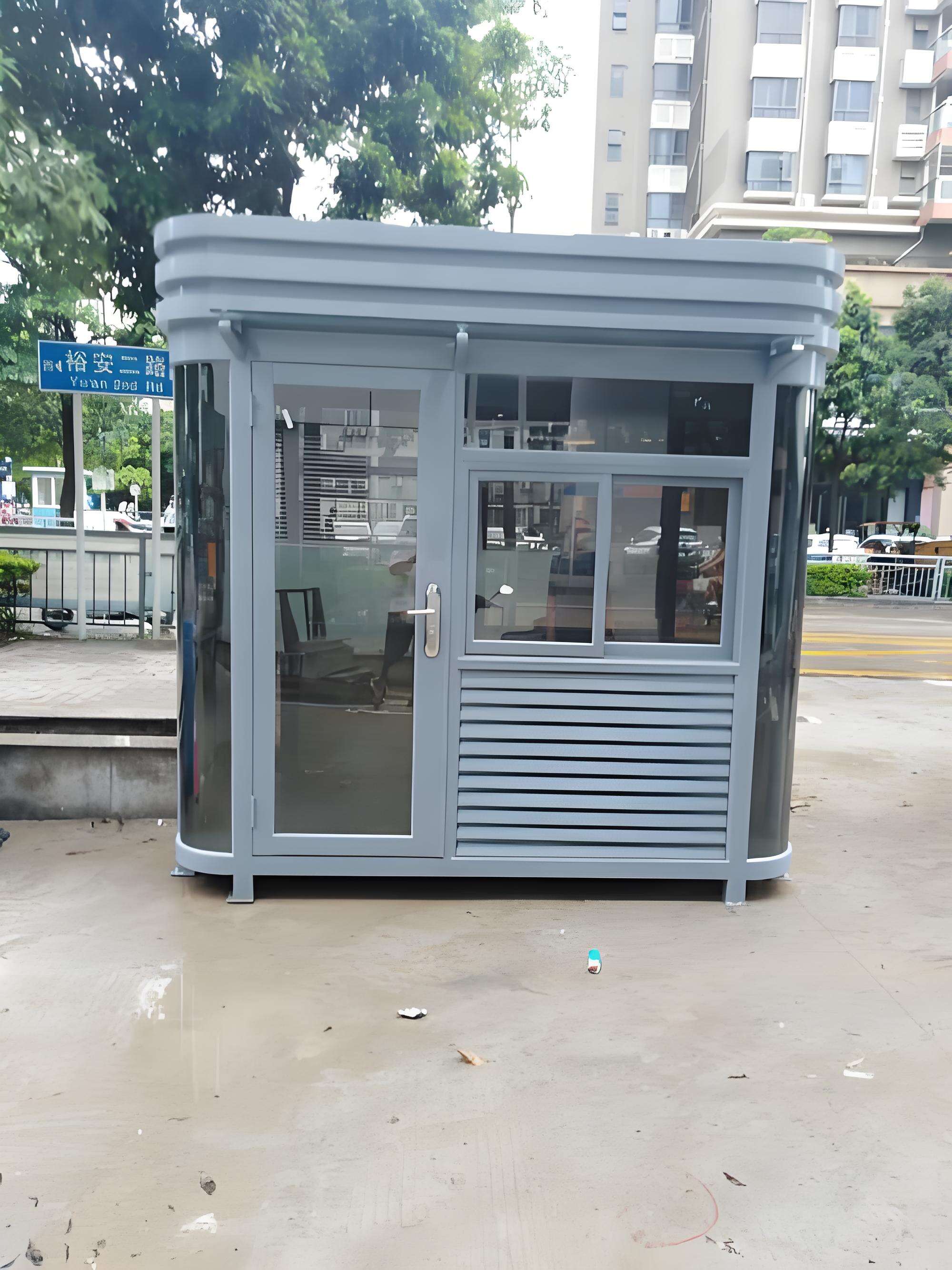
בתים מודולריים מייצגים גישה מהפכנית לבניית דיור שמשלבת יעילות, קיימות וזמינות במחיר סביר בדרכים שלא יכולות להתחרות בשיטות בנייה מסורתיות. כשמחירים לדירות ממשיכים לעלות ברחבי העולם וחששות סביבתיים הופכים דחופים יותר ויותר, בתים מודולריים עולים כפתרון משכנע שמתמודד עם מספר אתגרים בו זמנית. מבנים מוקדמים אלו נותנים לבעלי בתים את האפשרות לממש את חלומם בעלות בית, תוך הנאה מתקופות בנייה מקוצרות, שליטה משופרת באיכות וב저ירת עלויות משמעותית בהשוואה לבית שנבנה באתר.
האינטליגנציה שעומדת מאחורי הבחירה בבתי מודולריים משתרעת הרבה מעבר לשקולות עלות התחלתיות, וכוללת הצעות ערך ארוכות טווח שמביני עניינים ברכוש מזדמן מזהים כיתרונות מהפכניים. בתי מודולריים מודרניים כוללים טכנולוגיות בנייה מתקדמות, חומרים איכותיים יוצאי דופן ועקרונות עיצוב חדשניים שغالב times עולים על סטנדרטי האיכות של הבנייה המסורתית. כדי להבין למה מבנים אלו מהווים בחירה חכמה בדwellings, יש לבחון את היתרונות המפורשים שהם מציעים בתחומים הבאים: יעילות בבנייה, השפעה סביבתית, יתרונות פיננסיים וגמישות באורח חיים – כל אלה מושכים את בעלי הדירות המבינים של ימינו.
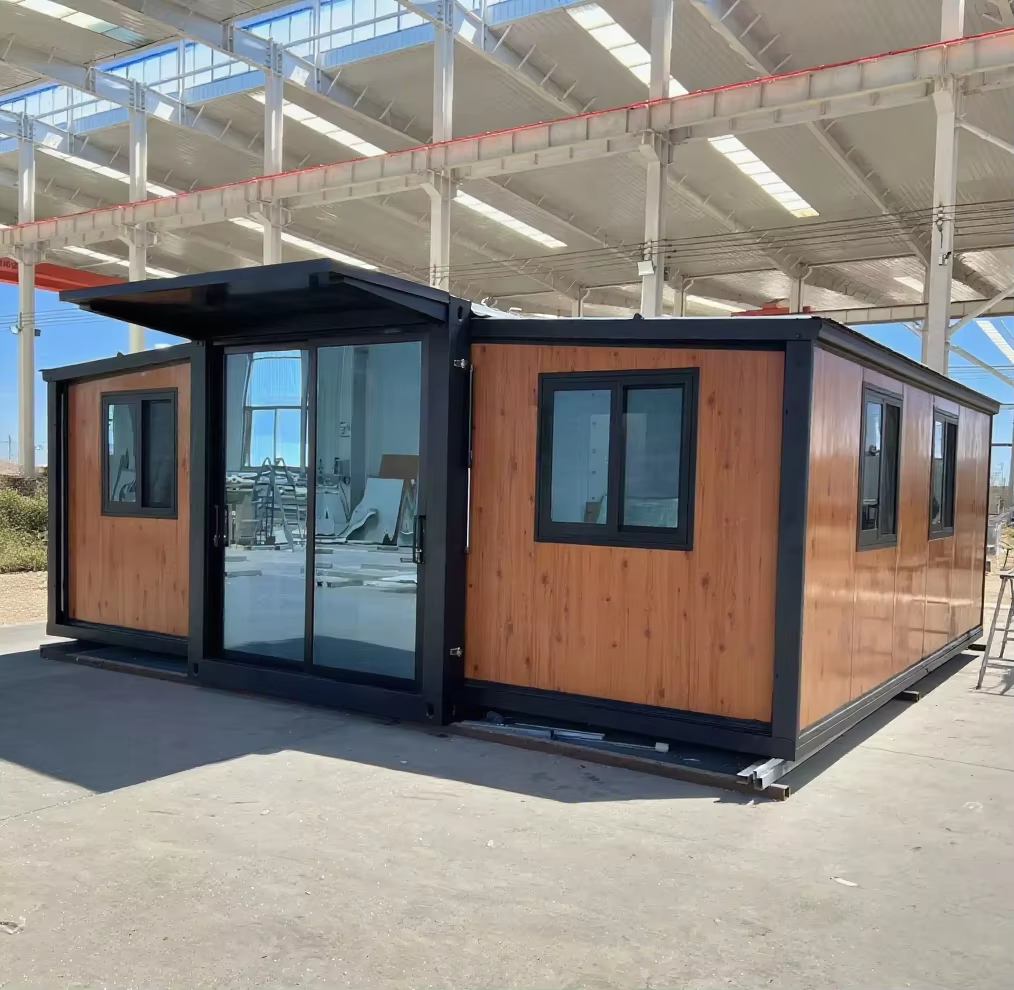
יעילות בבנייה ויתרונות בשליטה באיכות
תהליך ייצור בשליטה מפעלית
לבתי מודולריים יש ניצוץ מהייצור המדויק בסביבות מפעליות מבוקרות, שבהן עיכובים עקב מזג אוויר, גניבת חומרים וקשיים הקשורים לאתר הופכים לגורמים שאינם רלוונטיים. הסביבה המבוקרת הזו מאפשרת לייצרנים ליישם מדדי בקרת איכות קפדניים לאורך כל שלבי הבנייה, ולוודא שכל רכיב עומד בדרישות המדויקות לפני ההרכבה. הייצור במפעל מאפשר את השימוש במכונות מתקדמות ובכלי עבודה מיוחדים שמהם קשה או בלתי אפשרי להיעזר באתר בנייה מסורתי, מה שמביא לאיכות ידועה ועקביות גבוהה בכל הבתים המודולריים שיוצרו.
הגישה של קו ה ensamble לבניית בתים מודולריים מאפשרת התמחות של כוח עבודה בשלבים בנייה ספציפיים, מה שמוביל להגברה של המומחיות והיעילות בכל רכיב בנייה. העובדים הופכים לבעלי מיומנות גבוהה בתחומים מסוימים בבנייה מודולרית, בין אם במערכות חשמל, בהתקנת צינורות או בהרכבת מבנה, ויוצרים רמת התמחות שנדירה מאוד בבנייה מסורתית באתר. ההתמחות הזו מתורגמת ישירות לתוצאות איכותיות יותר ולבניית פגמים פחות, אשר לרוב מציקות לבתים שנבנו באתר.
בקרות איכות מתבצעות בנקודות ביקורת רבות לאורך תהליך הייצור במפעל, ומאפשרות לזהות ולתקן בעיות לפני שהן הופכות לבעיות גדולות יותר. בניגוד לבנייה מסורטת, שבה בעיות עשויות להתגלה רק בשלב מאוחר בהרבה בתהליך הבנייה, בתהליכי בנייה מודולרית מתקיימת הערכה רציפה המבטיחה ששלמות המבנה, פעילות המערכות ואיכות הגימור עומדות בדרישות המוגדרות מראש לפני שיוצאים המודולים מהמפעל.
קיצוץ זמני הבנייה
היתרונות של בתי מודולריים מבחינת לוחות הזמנים מהווים אחד היתרונות החכמים המרשימים ביותר שלהם באקולוגיה של דיור, כאשר תקופות הבנייה הסטנדרטיות מצטמצמות ב-30–50% בהשוואה לשיטות בנייה מסורתיות. בעוד שמתבצעות הכנות האתר והעבודות על היסודות, הבתים המודולריים נבנים במקביל במפעל, מה שיוצר זרמי עבודה מקבילים שמקצרים באופן דרמטי את משך הפרויקט הכולל. יעילות הזמן הזו חשובה במיוחד בשווקים שבהם ביקוש הדיור עולה על ההיצע, ומאפשרת לבעלי בתים לשהות בבתיהם החדשים חודשים לפני התאריך שבו היו יכולים לעשות זאת אם הייתה מבוצעת בנייה מסורתית.
העצמאות מהתנאי האקלימיים מהווה גורם קריטי בלוחות הזמנים המואצים של בתים מודולריים, ומבטלת את עיכובים עונתיים והפרעות הקשורות לתנאי מזג האוויר שמעכבות לעיתים קרובות את לוחות הזמנים של הבנייה המסורתית. ייצור במפעל נמשך ללא הפרעה גם תחת תנאי מזג אוויר חיצוניים, ומבטיח התקדמות עקבית ותאריך השלמה צפוי שבעליו של הבית יכולים להסתמך עליו לצורך תכנון אישי. אמינות זו משתרעת גם על היבטים פיננסיים, מאחר שתקופת הבנייה הקצרה מפחיתה את עלויות המימון הזמני ומאפשרת לבעלי הבית לעבור מהחובות לשכירות לתשלום ההלוואה כבר בשלב מוקדם יותר.
התהליכים המאובטחים לאישור והרישיון לבתי מודולריים לרוב נעשים ביעילות רבה יותר מאשר פרויקטים בנייה מסורתיים, מאחר שתוכניות סטנדרטיות ושיטות בנייה מוכחות מקצרות את זמן הבדיקה הרגולטיבית. יצרנים רבים שומרים על תכנונים מאושרים מראש מול רשות הבנייה המקומית, מה שמאיץ עוד יותר את הדרך מהחלה של הפרויקט ועד לכניסה לשימוש. יעילות זו מועילה במיוחד לקונים שצריכים לעבור למקום חדש במהרה מסיבות תעסוקתיות או משפחתיות, מה שהופך בתים מודולריים לבחירה חכמה לצרכים דיוריים הדורשים מהירות.
קיימות סביבתית ויעילות אנרגיה
הפחתת פסולת בנייה ואופטימיזציה של חומרים
המודעות הסביבתית מובילה רבים מבוני הבתים החכמים לביתות מודולריים, בשל הפסולת הבנائية המופחתת באופן משמעותי שלהם בהשוואה לשיטות בנייה מסורתיות. ייצור במפעל מאפשר חישובים מדויקים של חומרים ותהליכי גזירה מותאמים שמזערים את יצירת הפסולת, כאשר חומרים עודפיים מפרויקט אחד נוצלים לעתים קרובות בבניית פרויקטים הבאים. הגישה השיטתית הזו לשימוש בחומרים יכולה להפחית את פסולת הבנייה עד 90% בהשוואה לבתים שנבנו באתר, ובכך להתמודד עם דאגות סביבתיות מתגברות בנוגע לזרמי הפסולת של תעשיית הבנייה.
הסביבה המנוהלת של המפעל מאפשרת תכניות ריסיקלינג מקיפות, שבהן פסיפסי עץ, פסים ממתכת וחומרים בנייה אחרים עוברים מיון ועיבוד שיטתיים לשימוש חוזר. הבתים המודולריים נהנים מהטבות היקף ברכישת חומרים, מה שמאפשר לייצרנים לרכוש חומרים בעלי אחריות סביבתית בכמויות גדולות תוך שמירה על יעילות עלות. כוח הרכישה המרוכז הזה מאפשר את האינטגרציה של חומרים בר-קיימא שעשויים להיות יקרים מדי לפרויקטים בודדים של בנייה מסורתית.
אופטימיזציה של חומרים מתרחצת מעבר לצמצום פסולת וכוללת את הבחירה האסטרטגית של רכיבים שמשפרים את הביצועים הסביבתיים לטווח הארוך של בתים מודולריים. בניית המפעל מאפשרת התקנה מדויקת של מערכות בידוד, מחסומים למניעת אדים ורכיבי איטום אוויר שמשפיעים באופן משמעותי על יעילות האנרגיה לאורך כל תקופת הפעולה של הבית. יתרונות סביבתיים אלו מצטברים עם הזמן, מה שהופך את הבתים המודולריים למשיכה גוברת לקונים בעלי מודעות סביבתית המחפשים לצמצם את ה FOOTPRINT הפחמני הקשורה לדירותיהם.
ביצוע אנרגטי משופר ותכונות בנייה ירוקה
בתים מודולריים מודרניים כוללים תכונות מתקדמות של יעילות אנרגטית כרכיבים סטנדרטיים ולא כשדרוגים אופציונליים, מה שהופך אותם לבחירה חכמה יותר כברירת מחדל מבחינת עלויות הפעלה ארוכות טווח. בניית המפעל מאפשרת התקנה מדויקת של מערכות בידוד בעלות ביצועים גבוהים, חלונות ייעיליות אנרגטית ומערכות מיזוג אוויר מתקדמות שפועלות יחדיו כדי ליצור ביצועי חום עליונים. מערכות האנרגיה המשולבות הללו לרוב משיגות דירוגי יעילות שמעליכים את הבנייה המסורתית בהפרשים משמעותיים, מה שמוביל לחסכונות גדולים בעלויות התשתית לאורך חיי הבית.
הגישה השיטתית לבניית בתים מודולריים מאפשרת יישום עקבי של פרקטיקות בנייה ירוקה, שעשויות להשתנות במידה רבה באיכותן כאשר מיושמות באתרי בנייה מסורתיים. תהליכי החסימה נגד חדירת אוויר, ניהול גשרים תרמיים ומערכות בקרת לחות זוכים לתשומת לב מיוחדת בסביבות ייצור מפעליות, מה שמוביל לבניינים המפגינים ביצועים קרובים יותר לדרוגי היעילות העיצוביים שלהם. עקביות זו חשובה במיוחד לבעלי בתים המחפשים עלות אנרגיה צפויה וסביבת מגורים נוחה, ללא תלות בתנאי מזג האוויר החיצוניים.
השילוב של מערכות אנרגיה מתחדשת מתבצע באופן חלק יותר בבתי מודולריים בשל עיצובי הגגות הסטנדרטיים והמערכות החשמליות שתוכננו מראש כדי לקלוט פאנלים סולריים וטכנולוגיות ירוקות אחרות. יצרנים רבים מציעים חבילות אנרגיה מתחדשת כאפשרויות משולבות, מה שמבטיח תמיכה מבנית תקינה ותאימות חשמלית כבר בשלב התכנון. גישה קדימה זו ממוקמת את הבתים המודולריים כהשקעות חכמות לבעלי בתים שמצפים לעליית עלויות האנרגיה בעתיד ולתקנות סביבתיות.
הטבות פיננסיות ותחזית עלויות
חיסכון בהוצאות הראשוניות ובהבטחת התקציב
האינטליגנציה הכספית שבבחירת בתים מודולריים מתגלה דרך מבני המחירים היציבים שלהם והפחתת עלויות הבניה הכוללות בהשוואה לשיטות בנייה מסורתיות. ייצור במפעל מאפשר לייצרנים לספק חוזים במחיר קבוע שמאפשרים לקונים להגן על עצמם מפני עליית עלויות ושינויי הזמנות שמזיקים לעיתים קרובות לפרויקטים מסורתיים של בנייה. וודאות המחירים הזו מאפשרת לבעלי בתים לתכנן את התקציב שלהם במדויק ולשפר את המימון המתאים ללא חשש מהוצאות בלתי צפויות שיכולות לפגוע בהצלחה הכספית שלהם.
יעילות עלות העבודה המובנית בבתי מודולריים תורמת באופן משמעותי ליתרון הנגישות שלהם, כיוון שעובדי מפעל יכולים להשלים משימות בנייה מהר יותר ועם פחות מקצוענים מיומנים הנדרשים באתר. תהליך הבנייה המאובטח מפחית את סך שעות העבודה הדרושות לביצוע בית, בעוד ששיפורי הפקודה במפעל מועילים לכל הקונים באמצעות ירידת עלות ליחידה. חסכונות אלו מתעצמים במיוחד באזוריים שבהם עובדים בנייה מיומנים דורשים שכר גבוה או נמצאים במחסור.
העלויות המופחתות למזומן נלוות לתקופות הבנייה הקצרות יותר של בתים מודולריים, מאחר שתקופות הלוואות הבנייה מצטמצמות באופן משמעותי בהשוואה לפרויקטים בנייה מסורתיים. הוצאות הריבית במהלך הבנייה מהוות רכיב עלות משמעותי שהבתים המודולריים מפחיתים באמצעות לוחות הזמנים המאיצים שלהם. בנוסף, תאריכי השלמה הניתנים לחיזוי מאפשרים התאמה מדויקת יותר בין מימון הבנייה למעבר ל hypothec (הלוואה עתידית) קבועה, ובכך עלולים למנוע הארכות יקרות או הסדרי מימון זמניים.
ערך ארוך טווח ופוטנציאל לעלייה בשווי
חוכמת ההשקעה בבחירת בתים מודולריים עוברת את חיסכון העלויות הראשוני לכולל את שימור הערך שלהם לאורך זמן ואת הפוטנציאל לעלייה בערכם בשווקי הנדל"ן. בתים מודולריים מודרניים שנבנו בהתאם לקוד הבנייה הנוכחי ולתקנים האיכותיים המעודכנים עולים בערכם בקצב דומה לזה של בנייה מסורתית, מה שמבטל תפיסות שגויות ישנות בנוגע לערך של דיור מוקדם. בקרת האיכות המتفקקת והמאפיינים של יעילות אנרגטית של הבתים המודולריים מעניקים להם לעיתים קרובות יתרון בהשוואה לבתים ישנים יותר שבُנו באתר, בשווקי המכירה החוזרת.
היתרונות ביחס לעלות התיקון תורמים לחוכמה הפיננסית האורכת של בתים מודולריים, כיוון שבנייתם במפעל מביאה בדרך כלל למספר קטן יותר של טענות על אחריות ובעיות מבניות בהשוואה לשיטות בנייה מסורתיות. הסביבה המבוקרת של היצור מפחיתה את הסבירות לבעיות הקשורות לרטיבות, פגמים מבניים ותקלות במערכות, אשר עלולות לייצר עלויות תיקון יקרות למלאכי הבית. היתרונות באימונים האלה מתורגמים לירידה בעלויות הכוללות של הבעלות על הבית לאורך חייו, מה שמשפר את התשואה הפינансית על ההשקעה.
הקבלת השוק של בתים מודולריים ממשיכה להשתפר, כשבזמן שמאיכות הבנייה משתפרת ומודעות סביבתית גדלה, נוצרות תנאים מתאימים לעלייה עתידית בערך. ההכרה הגוברת בבתי מודולריים כחלופות לגיטימיות לבנייה מסורתית מוסרת את הסטיגמה השוקית הקודמת שיכולה הייתה להשפיע על ערכי המכר החוזר. קונים חכמים מבינים שרכישת בתים מודולריים היום מעמידה אותם במעמד מועדף, ככל שקבלת השוק הולכת ומרחיבה והביקוש לדירות יעילות וברות-קיימה עולה.
-flexibility Design ואפשרויות הגאמה
גמישות אדריכלית והתאמות סגנוניות
בתים מודולריים עתידיים מציעים גמישות יוצאת דופן בעיצוב, המאתגרת הנחות מסורתיות לגבי האסתטיקה והפונקציונליות של בתים מוקדמים. יצרנים מודרניים מספקים מגוון רחב של אפשרויות התאמה אישית שמאפשרות לבעלי הבתים ליצור מרחבי מגורים ייחודיים, אשר מתאימים במדויק להעדפות הספציפיות שלהם ולדרישות סגנון החיים שלהם. מהסגנונות הארכיטקטוניים המסורתיים ועד לעיצובים עתידיים ומרחיקי לכת, הבתים המודולריים יכולים לקלוט כמעט כל חזון אסתטי תוך שמירה על היתרונות של בנייה במפעל – יעילות ואיכות.
הגישה הבנائية המודולרית מאפשרת תצורות מפת קומות חדשניות שיאפשרו את יישומן בקושי או במחיר גבוה מדי בשיטות בנייה מסורתיות. תכנונים רב-קומתיים, קווי גגות מורכבים ומרחבי חיים משולבים של פנים-חוץ הופכים למשתמעים באמצעות תכנון מודולים מדוקדק ותכנון איסוף. גמישות זו מאפשרת לבעלי בתים למקסם את הפוטנציאל של הקרקע שלהם תוך יצירת מרחבי מגורים שמשקפים את הסגנון האישי שלהם ואת הצרכים הפונקציונליים שלהם, מה שהופך בתים מודולריים לבחירה חכמה לקונים בעלי העדפות אדריכליות ספציפיות.
התאמה אישית משתרעת מעבר לשקולות אסתטיות וכוללת התאמות פונקציונליות שמשפרות את היכולת לחיות במבנה והתקבלה של צרכים מיוחדים או העדפות אישיות. בתים מודולריים יכולים לכלול תכונות עיצוב נגישה, חללים לשימוש כמשרד בית, פתרונות אחסון מיוחדים ודרישות לאינטגרציה של טכנולוגיה שמשקפים את דפוסי החיים המודרניים. גמישות זו מבטיחה שהבתים המודולריים ישארו רלוונטיים ופונקציונליים ככל שצרכיו של בעל הבית ישתנו עם הזמן, ובכך תורמים לערך ארוך הטווח שלהם.
פוטנציאל להרחבה ושינוי
המודולריות המובנית של מערכות השריון הללו יוצרת הזדמנויות ייחודיות להרחבה ולביצוע שינויים בעתיד, שלא ניתן להתאים להן במבנה מסורתי מבחינת עלות. בעלי בתים יכולים לתכנן הרחבות עתידיות על ידי הבטחת הכנת יסוד תקינה וקביעת גודל התשתיות כבר בשלב הבנייה הראשונית, מה שמאפשר הרחבה חלקית כאשר צורכי המשפחה או נסיבותיהם הכלכליות משתנים. יכולת ההרחבה הזו הופכת את הבתים המודולריים לבחירה חכמה במיוחד למשפחות צעירות או למקצוענים שמצפים לצרכים עתידיים בשטח.
פרויקטים של שיפוץ ושינוי מתקדמים באופן צפוי יותר עם בתים מודולריים, הודות לשיטות הבנייה השיטתיות ולמפרטים המבונים המעודכנים שלהם. תהליך הבנייה במפעל יוצר רשומות מפורטות של מערכות מבניות, נתיבי תשתית ותיאורי רכיבים שמאפשרים פרויקטים עתידיים לשיפור. יתרון התיעוד הזה מפחית את אי הוודאות ואת הסיבוכים הפוטנציאליים שغالבًا מהווים חלק מפרויקטי שיפוץ בבתים מסורתיים, שבהם פרטי הבנייה עשויים להיות לא ברורים או שלא תועדו.
יכולות האינטגרציה הטכנולוגית של בתים מודולריים מודרניים מאפשרות את התאמה של מערכות בית חכם, הוספת מקורות אנרגיה מתחדשת ושיפורים טכנולוגיים אחרים בקלות רבה יותר מאשר בבתים המבוססים על בנייה מסורתית. הגישה השיטתית להתקנת תיירים חשמליים ותקשורתיים במהלך הבנייה במפעל כוללת לעתים קרובות הסדרות מראש לשדרוגים טכנולוגיים עתידיים, מה שהופך את הבתים המודולריים למתאימים גם למערכות אוטומציה ביתיים נשלטות ומערכות ניהול אנרגיה עתידיות.
שאלה נפוצה
האם בתים מודולריים חיים זמן זהה לבתים המבוססים על בנייה מסורתית?
כן, בתים מודולריים שנבנו בהתאם לקוד הבנייה הנוכחי ולתקנים האיכותיים הקיימים חיים לאורך זמן שקול לשל בתים המבוססים על בנייה מסורתית, בדרך כלל 50–100 שנה או יותר, בתנאי תחזוקה תקינה. הסביבה המבוקרת של בניית המפעל תורמת לעקביות ואיכות גבוהות יותר בהשוואה לבתי בנייה באתר, מה שיכול להאריך את תקופת השימוש. בתים מודולריים מודרניים משתמשים בחומרים ובשיטות בנייה זהים לאלו שבבתי מסורתיים, וההבדל העיקרי הוא הסביבה המבוקרת של הייצור, ולא הגישה הבסיסית לבנייה.
האם ניתן לממן בתים מודולריים באמצעות משכנתאות קונבנציונליות?
בתים מודולריים זכאים למימון היפוטקי קונבנציונלי בדיוק כמו בתים שנבנו באופן מסורתי, מכיוון שהם נחשבים נכס אמיתי לאחר שהוצמדו באופן קבוע ליסודותיהם. רוב המלווים הגדולים מציעים מוצרים היפוטקיים סטנדרטיים לבתים מודולריים, כולל תוכניות הלוואות של ה-FHA, ה-VA והלוואות קונבנציונליות. הדרישה המרכזית היא שמבנים מודולריים יתאימו לקוד הבנייה המקומי ויתקנו באופן קבוע על קרקע שבבעלותו או בהשכירה, עם יסודות מתאימים וחיבורי תשתית.
איך מבנים מודולריים מתפקדים בתנאי מזג אוויר קיצוניים?
בתים מודולריים מעוצבים כדי לעמוד בדרישות תקנות הבנייה המקומיות או לעלות עליהן בנוגע לטעינה מרוח, רעידת אדמה וטיפת שלג, ולעיתים קרובות הם מציגים עמידות מבנית גבוהה יותר בזכות בקרת האיכות בבניית המפעל. דרישות התחבורה לבתי מודולריים דורשות למעשה חיזוק מבני נוסף מעבר לתקנים הבנאיים הרגילים, מה שיוצר מבנים עמידים באופן טבעי. רבים מבתי המודולרים עברו בהצלחה סופות הוריקן, רעידות אדמה ותנאים קיצוניים אחרים, וההישגים שלהם שווים או טובים יותר מאלו של בנייה מסורתית בתנאים דומים.
האם קיימות הגבלות לגבי המקומות שבהם ניתן להציב בתים מודולריים?
בתים מודולריים יכולים להותקן בכל מקום שחוקי התוכנית המקומית ותקנות הבנייה מתירים בנייה למגורים, עם אותן מגבלות שחלות על בתים המבוססים בשיטות מסורתיות. בחלק מהקהילות קיימים סטנדרטים אדריכליים מסוימים או דרישות של אגודות בעלי בתים שעלולות להשפיע על הבחירות העיצוביות, אך הן חלות באותה מידה על כל סוגי הדיור. חשוב לאמת מראש את חוקי התוכנית המקומיים, תקנות הבנייה וכל הדרישות הספציפיות לקהילה לפני בחירת עיצוב לבית מודולרי, כדי להבטיח התאמה לכל התקנות החלות.