
 EN
EN
Understanding the Complete Steel Workshop Construction Journey
The installation of a steel workshop represents a significant milestone in creating a robust and versatile industrial space. This comprehensive process requires careful planning, expertise, and precise execution to ensure the structure meets all safety standards and operational requirements. From initial site preparation to final touches, steel workshop installation involves multiple coordinated phases that transform raw materials into a functional facility.
Pre-Installation Planning and Site Preparation
Site Assessment and Ground Preparation
Before any steel workshop installation can begin, thorough site evaluation is essential. This includes soil testing, topographical surveys, and drainage assessment to ensure the ground can support the structure. Professional contractors will clear the area, establish proper grading, and implement necessary drainage systems. The foundation design must account for local soil conditions, workshop size, and anticipated loads.
Site preparation also involves obtaining necessary permits, reviewing local building codes, and ensuring compliance with zoning regulations. This phase may require coordination with utility companies to mark underground services and plan for power, water, and other essential connections.
Foundation Requirements and Engineering
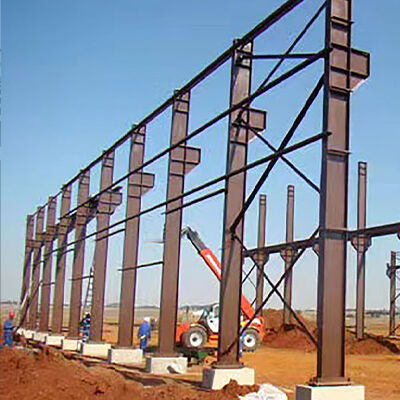
The foundation serves as the critical base for your steel workshop installation. Engineers must calculate exact specifications based on the building's dimensions, weight, and intended use. Typically, this involves pouring concrete footings or a complete slab foundation with proper reinforcement. The foundation must be perfectly level and include appropriate anchor bolt patterns to secure the steel framework.
Concrete curing times must be strictly observed before proceeding with the steel erection phase. This waiting period, while sometimes appearing to slow progress, is crucial for ensuring long-term structural integrity.
Component Delivery and Material Management
Organizing Steel Components
When steel workshop components arrive on site, proper organization becomes crucial for efficient installation. All materials should be inventoried against shipping documents and stored in a logical sequence that matches the assembly order. Primary frame members, secondary supports, wall panels, and roofing materials each require designated staging areas protected from weather and potential damage.
Professional installers will create a detailed component layout plan, ensuring easy access to materials as needed during the construction process. This systematic approach minimizes handling time and reduces the risk of delays or assembly errors.
Equipment and Tool Requirements
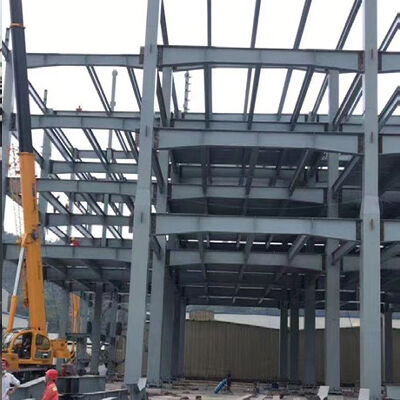
Steel workshop installation demands specific heavy equipment and specialized tools. Typical requirements include cranes for lifting main frame components, telescopic handlers for material movement, and various power tools for assembly. Safety equipment, including personal protective gear, must be readily available for all workers on site.
Having backup equipment available can prevent costly delays if primary tools malfunction. Professional installation teams maintain comprehensive tool inventories and ensure all equipment meets current safety standards.
Main Frame Assembly and Erection
Primary Structure Installation
The main frame assembly marks the beginning of vertical construction in steel workshop installation. Starting with the end frames, crews carefully position and secure each primary column according to engineered specifications. Cross bracing provides temporary stability as additional frames are added. Precision during this phase is critical, as even minor misalignments can compound into significant issues later.
Professional installers use laser levels and other advanced measuring tools to ensure perfect vertical alignment and proper spacing between frames. Each connection point receives detailed attention to guarantee structural integrity.
Secondary Support Systems
Once primary frames are secure, installation teams begin adding purlins, girts, and other secondary support members. These components create the framework for attaching wall panels and roofing materials. Proper spacing and alignment of these elements directly impact the final appearance and weather-tightness of the completed workshop.
Every connection must meet specific torque requirements, and crews carefully document their work to ensure compliance with building codes and manufacturer specifications.
Exterior Cladding and Weather Protection
Wall Panel Installation
Installing wall panels requires careful attention to detail and proper sequencing. Teams typically begin at building corners, working systematically to ensure proper overlap and secure attachment. Weather-resistant barriers and insulation materials are incorporated according to design specifications. Special care is taken around openings for doors, windows, and utility penetrations.
Professional installers maintain strict quality control during this phase, checking each panel for proper alignment and secure fastening. This attention to detail ensures maximum weather protection and optimal aesthetic appearance.
Roofing System Completion
The roofing system installation represents a critical phase in steel workshop construction. Starting with appropriate underlayment materials, crews carefully install each roofing panel to create a weathertight seal. Proper overlap, fastener placement, and ridge cap installation are essential for preventing water infiltration.
Special attention is given to flashings around roof penetrations and edges. Professional teams ensure proper drainage patterns and verify all seams are properly sealed.
Final Touches and Quality Assurance
Interior Finishing Elements
With the exterior envelope complete, attention turns to interior finishing elements. This may include installing liner panels, lighting systems, electrical conduit, and mechanical systems. Each element must be properly secured and integrated with the steel workshop structure. Professional installers coordinate closely with other trades to ensure all systems work together seamlessly.
Final interior touches often include safety features, signage, and any specialized equipment mounting requirements specified in the original design.
Quality Control and Inspection
The final phase of steel workshop installation involves comprehensive quality control checks and inspections. Professional teams verify all components are properly installed, connections are correctly torqued, and weather seals are complete. Documentation is prepared for final building inspection and occupancy approval.
A thorough walkthrough with the client ensures all specifications have been met and any punch list items are addressed promptly.
Frequently Asked Questions
How long does steel workshop installation typically take?
The duration of steel workshop installation varies depending on size and complexity, but typically ranges from 2-6 weeks for standard sizes. Factors affecting timeline include weather conditions, site preparation requirements, and complexity of interior finishing.
What weather conditions are suitable for steel workshop installation?
Steel workshop installation can proceed in most weather conditions, but high winds and heavy precipitation may cause delays. Ideal conditions include temperatures above freezing with minimal wind and clear skies. Professional teams monitor weather forecasts and plan accordingly.
What maintenance is required after steel workshop installation?
Post-installation maintenance primarily involves regular inspections of fasteners, seals, and structural components. Annual checks of roof systems, door operations, and weather sealing are recommended. Professional maintenance can significantly extend the workshop's service life.
