EN
EN
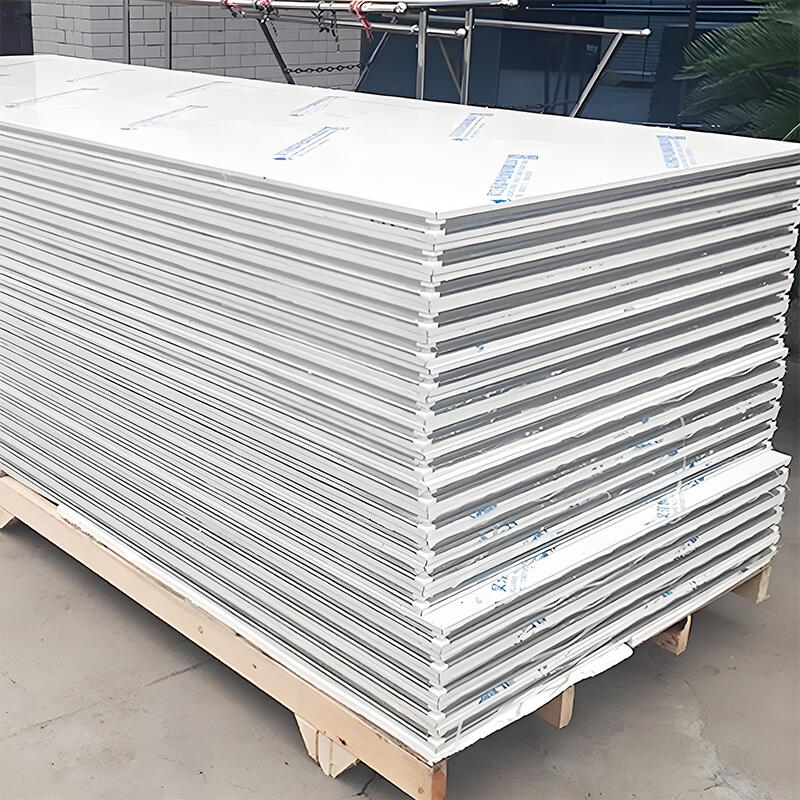
Selecting the right rock wool sandwich panel for your construction project requires careful consideration of multiple factors that directly impact performance, safety, and long-term value. These versatile building materials have revolutionized modern construction by combining superior insulation properties with structural integrity, making them essential components in commercial, industrial, and residential applications. Understanding the key characteristics that define a quality rock wool sandwich panel will help you make informed decisions that align with your specific project requirements and budget constraints.
The construction industry has witnessed significant growth in the adoption of sandwich panel systems, particularly those featuring rock wool cores, due to their exceptional thermal and acoustic performance characteristics. Modern manufacturing techniques have enabled producers to create rock wool sandwich panel products that meet increasingly stringent building codes while providing cost-effective solutions for diverse architectural challenges. The selection process involves evaluating multiple technical specifications, certifications, and performance metrics to ensure optimal results for your specific application.
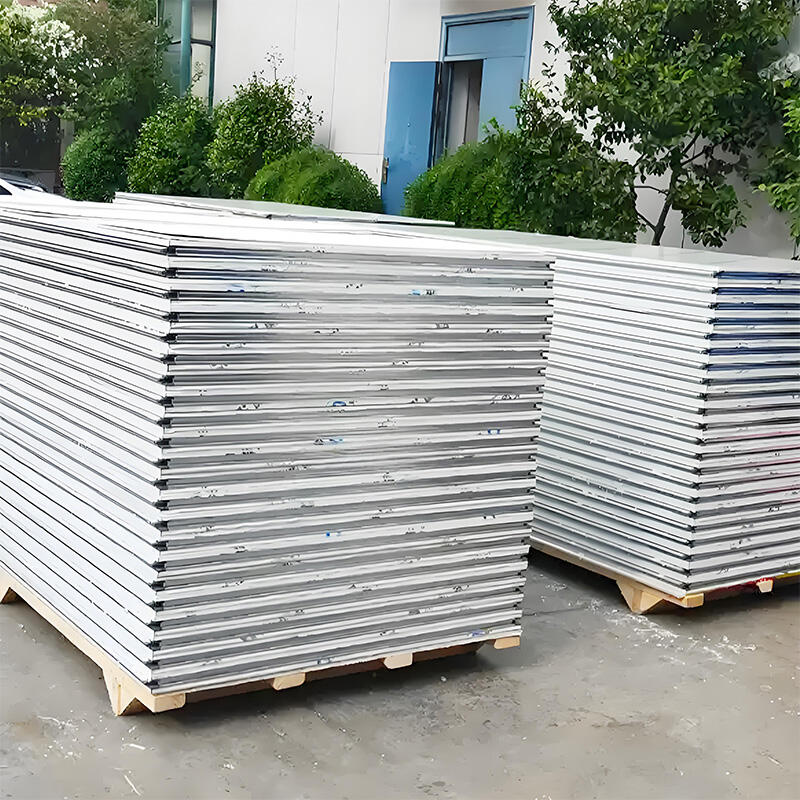
Understanding Rock Wool Sandwich Panel Construction
Core Material Properties and Specifications
The heart of any quality rock wool sandwich panel lies in its mineral wool core, which is manufactured from volcanic rock or steel slag through high-temperature melting and fiber spinning processes. This core material provides exceptional thermal insulation properties with typical thermal conductivity values ranging from 0.035 to 0.040 W/mK, making it highly effective for energy-efficient building designs. The density of the rock wool core typically ranges from 100 to 150 kg/m³, with higher densities generally providing better acoustic performance and structural stability.
Quality rock wool sandwich panel manufacturers ensure consistent fiber distribution throughout the core material, eliminating weak spots that could compromise insulation performance or structural integrity. The mineral composition of the rock wool should comply with international standards such as ASTM C612 or EN 13162, guaranteeing consistent quality and performance characteristics. Advanced production facilities utilize computerized mixing systems to maintain precise control over fiber length, diameter, and binder content, resulting in uniform panels with predictable performance metrics.
Facing Material Options and Performance
The exterior facings of a rock wool sandwich panel play crucial roles in weather protection, structural support, and aesthetic appeal. Steel facings are the most common choice, typically made from galvanized or galvalume-coated steel sheets with thicknesses ranging from 0.4mm to 0.8mm depending on structural requirements. These steel facings can be further enhanced with polyester or PVDF coatings to provide superior corrosion resistance and color retention in harsh environmental conditions.
Alternative facing materials include aluminum, which offers excellent corrosion resistance and lighter weight characteristics, making it ideal for applications where weight reduction is critical. Some specialized rock wool sandwich panel products feature cement board or fiber cement facings for enhanced fire resistance and durability in extreme conditions. The selection of facing materials should align with your project's specific environmental exposure, structural requirements, and aesthetic preferences.
Fire Safety and Building Code Compliance
Fire Resistance Classifications and Testing
Fire safety represents one of the most critical factors when selecting a rock wool sandwich panel system for any building project. Quality panels should demonstrate compliance with relevant fire testing standards such as ASTM E119, UL 263, or EN 1364, achieving fire resistance ratings appropriate for the intended application. Rock wool core materials inherently provide excellent fire resistance due to their non-combustible mineral composition, with melting points exceeding 1000°C.
Comprehensive fire testing evaluates multiple aspects of panel performance including flame spread, smoke development, and structural integrity under fire exposure conditions. A superior rock wool sandwich panel should maintain its structural properties and insulation effectiveness even when exposed to extreme temperatures, providing valuable time for occupant evacuation and fire suppression activities. Documentation of fire test results from accredited testing laboratories should be readily available from reputable manufacturers.
Building Code Requirements and Certifications
Modern building codes have become increasingly stringent regarding fire safety requirements, particularly for commercial and high-rise construction projects. Your selected rock wool sandwich panel must meet or exceed local building code requirements, which may include specific fire resistance ratings, smoke generation limits, and flame spread classifications. ICC-ES evaluation reports and similar third-party certifications provide valuable documentation of code compliance.
International certifications such as FM Global approval or UL listings demonstrate that the rock wool sandwich panel has undergone rigorous testing and evaluation processes. These certifications often influence insurance premiums and may be required for certain types of construction projects, making them important considerations in your selection process. Working with manufacturers who maintain current certifications ensures ongoing compliance with evolving safety standards.
Thermal Performance and Energy Efficiency
Insulation Values and Thermal Bridging
The thermal performance of a rock wool sandwich panel directly impacts building energy efficiency and occupant comfort levels throughout the structure's operational life. R-values typically range from R-20 to R-40 depending on panel thickness, with thicker panels generally providing superior insulation performance. However, thermal bridging through panel connections and fastening systems can significantly reduce overall wall assembly performance if not properly addressed.
Advanced rock wool sandwich panel designs incorporate thermal break technologies in their connection systems to minimize heat transfer through structural elements. Quality manufacturers provide detailed thermal analysis data including whole-wall R-values that account for real-world installation conditions and connection details. This comprehensive thermal data enables accurate energy modeling and helps predict actual building performance rather than relying solely on core material properties.
Moisture Management and Vapor Control
Effective moisture management is essential for maintaining long-term thermal performance and preventing building envelope problems. Quality rock wool sandwich panel systems include vapor retarder specifications and permeability ratings that align with local climate conditions and building envelope design strategies. The mineral wool core material naturally resists moisture absorption, maintaining its insulation properties even in high-humidity environments.
Proper installation of vapor barriers, air barriers, and weatherproofing details ensures optimal moisture performance throughout the building envelope. Manufacturers should provide comprehensive installation guidelines that address vapor control requirements, joint sealing procedures, and integration with adjacent building systems. Understanding these moisture management principles helps ensure that your rock wool sandwich panel installation delivers consistent thermal performance over time.
Acoustic Performance and Sound Control
Sound Transmission Class Ratings
Acoustic performance has become increasingly important in modern building design, particularly for applications involving noise-sensitive occupancies or urban environments with high ambient sound levels. Quality rock wool sandwich panel systems provide excellent sound absorption and transmission loss characteristics due to the fibrous nature of the mineral wool core material. Sound Transmission Class (STC) ratings typically range from 45 to 60 depending on panel thickness and construction details.
The dense fiber structure within a rock wool sandwich panel effectively absorbs airborne sound waves across a broad frequency spectrum, making these panels particularly effective for controlling both high and low-frequency noise transmission. Proper installation techniques, including sealing of joints and connections, are critical for achieving rated acoustic performance in real-world applications. Manufacturers should provide acoustic test data from accredited testing laboratories to support performance claims.
Vibration Damping and Structural Acoustics
Beyond airborne sound transmission control, rock wool sandwich panel systems can contribute to overall building acoustic comfort by providing vibration damping characteristics. The composite construction of these panels helps reduce structure-borne noise transmission through building frameworks, particularly in applications involving mechanical equipment or high-traffic areas.
Specialized acoustic rock wool sandwich panel products feature enhanced core densities and optimized fiber orientations to maximize sound absorption coefficients. These high-performance acoustic panels are particularly valuable in applications such as recording studios, theaters, conference facilities, and industrial environments where noise control is critical. Selection of appropriate acoustic performance levels should align with project-specific noise criteria and occupancy requirements.
Structural Integrity and Load-Bearing Capacity
Spanning Capabilities and Support Requirements
The structural performance of a rock wool sandwich panel depends on the composite action between the outer facings and the mineral wool core material. Quality panels demonstrate predictable load-bearing characteristics with published span tables and load capacity data for various support conditions and loading scenarios. Typical spanning capabilities range from 6 to 12 meters depending on panel thickness, loading conditions, and support spacing.
Structural analysis should consider both gravity loads and lateral forces including wind and seismic loads according to applicable building codes. The composite behavior of rock wool sandwich panel systems provides excellent strength-to-weight ratios, enabling longer spans and reduced structural support requirements compared to traditional construction methods. Professional structural engineering analysis is recommended for applications involving unusual loading conditions or extended spans.
Connection Details and Installation Systems
Proper connection design and installation procedures are crucial for realizing the full structural potential of rock wool sandwich panel systems. Quality manufacturers provide comprehensive connection details including fastener specifications, spacing requirements, and installation sequences that ensure optimal structural performance. These connection systems must transfer loads effectively while maintaining thermal and moisture barrier continuity.
Advanced connection systems incorporate features such as concealed fastening, thermal breaks, and weather sealing to provide superior performance compared to conventional exposed fastener systems. Installation training and certification programs offered by reputable manufacturers help ensure that panels are installed according to engineered specifications. Proper installation oversight and quality control procedures are essential for achieving designed performance levels in completed installations.
Quality Assurance and Manufacturing Standards
Production Quality Control Measures
Manufacturing quality directly impacts the long-term performance and reliability of rock wool sandwich panel systems. Leading manufacturers implement comprehensive quality management systems including ISO 9001 certification and statistical process control procedures to ensure consistent product quality. These quality systems encompass raw material inspection, in-process monitoring, and finished product testing to verify compliance with specifications.
Advanced manufacturing facilities utilize automated production lines with computerized monitoring systems that track critical parameters such as core density, facing thickness, adhesive application rates, and dimensional tolerances. Regular calibration of production equipment and testing instruments ensures measurement accuracy and product consistency. Third-party quality audits and certifications provide additional assurance of manufacturing quality and consistency.
Testing Protocols and Performance Verification
Comprehensive testing programs verify that rock wool sandwich panel products meet specified performance requirements across multiple criteria including thermal, structural, fire, and acoustic performance. Quality manufacturers maintain well-equipped testing laboratories or work with accredited third-party facilities to conduct required testing according to relevant standards and specifications.
Routine production testing includes sample extraction and evaluation to monitor ongoing product quality and performance consistency. These testing programs should encompass both standard test methods and project-specific requirements to ensure that delivered panels meet all applicable criteria. Documentation of test results and quality certifications should be readily available to support design and construction processes.
Installation Considerations and Best Practices
Site Preparation and Handling Requirements
Proper site preparation and material handling procedures are essential for successful rock wool sandwich panel installation and long-term performance. Panels should be stored on level surfaces with adequate drainage and protection from weather exposure until installation. Proper lifting and handling techniques prevent damage to panel edges and facings during construction activities.
Installation scheduling should account for weather conditions, particularly wind speeds and precipitation that could affect panel handling and installation quality. Temporary bracing and support systems may be required during installation to prevent panel damage and ensure worker safety. Quality manufacturers provide detailed installation manuals and technical support to guide proper installation procedures.
Sealing and Weatherproofing Details
Effective sealing of joints and penetrations is critical for maintaining the thermal and moisture performance of rock wool sandwich panel systems. Quality sealants and gaskets should be compatible with panel materials and provide long-term durability under expected environmental conditions. Proper sealant application techniques ensure complete weather sealing without compromising panel performance.
Flashing details around openings, transitions, and terminations require careful design and installation to prevent water infiltration and maintain building envelope integrity. Manufacturers should provide standard flashing details and custom solutions for unique architectural conditions. Regular inspection and maintenance of sealants and flashing systems help ensure continued weather resistance throughout the building's service life.
Cost Considerations and Value Analysis
Initial Investment and Life-Cycle Costs
While rock wool sandwich panel systems may require higher initial investment compared to conventional construction methods, comprehensive life-cycle cost analysis often demonstrates superior long-term value. Energy savings from improved thermal performance, reduced maintenance requirements, and faster installation schedules contribute to overall project economics. Quality panels typically provide 30-50 year service lives with minimal maintenance requirements.
Installation cost advantages include reduced crane time, faster enclosure schedules, and elimination of separate insulation installation steps. These time savings can significantly impact project schedules and overall construction costs, particularly for large commercial or industrial projects. Professional cost analysis should consider all project-specific factors including local labor rates, material availability, and schedule constraints.
Performance Value and Return on Investment
The superior performance characteristics of quality rock wool sandwich panel systems provide measurable value through improved building performance, reduced operating costs, and enhanced occupant comfort. Energy modeling analysis can quantify thermal performance benefits and predict utility cost savings over the building's operational life.
Additional value considerations include improved fire safety ratings, acoustic performance benefits, and potential insurance premium reductions. These performance benefits may also contribute to achieving green building certifications such as LEED or ENERGY STAR, which can provide additional financial incentives and marketing advantages. Comprehensive value analysis should encompass both quantifiable cost savings and qualitative performance benefits.
FAQ
What thickness of rock wool sandwich panel is most suitable for different climates
The optimal thickness for a rock wool sandwich panel varies significantly based on local climate conditions and energy code requirements. In moderate climates, panels ranging from 75-100mm thickness typically provide adequate thermal performance for most commercial applications. Colder climates often require 125-150mm thick panels to meet energy efficiency standards and provide comfortable interior conditions. Hot climates may benefit from thicker panels (100-125mm) to reduce cooling loads and improve occupant comfort. Always consult local energy codes and conduct energy modeling analysis to determine the most cost-effective thickness for your specific location and building type.
How do I verify the fire resistance rating of a rock wool sandwich panel
Verifying fire resistance ratings requires examining official test reports from accredited testing laboratories such as UL, Intertek, or similar recognized facilities. Look for test reports that follow standard test methods like ASTM E119 or EN 1364, which evaluate fire resistance duration under controlled conditions. Reputable manufacturers provide easily accessible documentation including fire test reports, evaluation service reports from organizations like ICC-ES, and relevant building code compliance letters. Be wary of products that cannot provide current, official fire testing documentation from recognized laboratories, as these may not meet building code requirements or provide advertised fire protection levels.
What are the key differences between rock wool and other core materials in sandwich panels
Rock wool offers several distinct advantages compared to other core materials commonly used in sandwich panels. Unlike polyurethane foam or polystyrene cores, rock wool provides non-combustible fire resistance with melting points exceeding 1000°C, making it superior for fire safety applications. Rock wool also demonstrates excellent acoustic absorption properties across broad frequency ranges, whereas foam cores typically provide limited sound control. Additionally, rock wool maintains consistent insulation performance in high-humidity environments and resists moisture absorption, while some foam cores can degrade when exposed to moisture over time. However, foam cores may provide slightly higher R-values per inch of thickness and are generally lighter in weight than rock wool alternatives.
How should rock wool sandwich panels be maintained over their service life
Proper maintenance of rock wool sandwich panel installations focuses primarily on preserving the building envelope integrity rather than the panels themselves, as the mineral wool core material requires no maintenance. Annual inspections should examine sealants around panel joints, penetrations, and terminations, replacing any cracked or deteriorated sealant materials promptly. Panel surfaces should be cleaned periodically using appropriate methods for the facing material, avoiding harsh chemicals or abrasive cleaning techniques that could damage protective coatings. Fasteners and connection hardware should be inspected for corrosion or loosening, particularly in coastal or industrial environments. Any damage to panel facings should be repaired quickly to prevent moisture infiltration that could compromise the building envelope performance.
Table of Contents
- Understanding Rock Wool Sandwich Panel Construction
- Fire Safety and Building Code Compliance
- Thermal Performance and Energy Efficiency
- Acoustic Performance and Sound Control
- Structural Integrity and Load-Bearing Capacity
- Quality Assurance and Manufacturing Standards
- Installation Considerations and Best Practices
- Cost Considerations and Value Analysis
-
FAQ
- What thickness of rock wool sandwich panel is most suitable for different climates
- How do I verify the fire resistance rating of a rock wool sandwich panel
- What are the key differences between rock wool and other core materials in sandwich panels
- How should rock wool sandwich panels be maintained over their service life