EN
EN
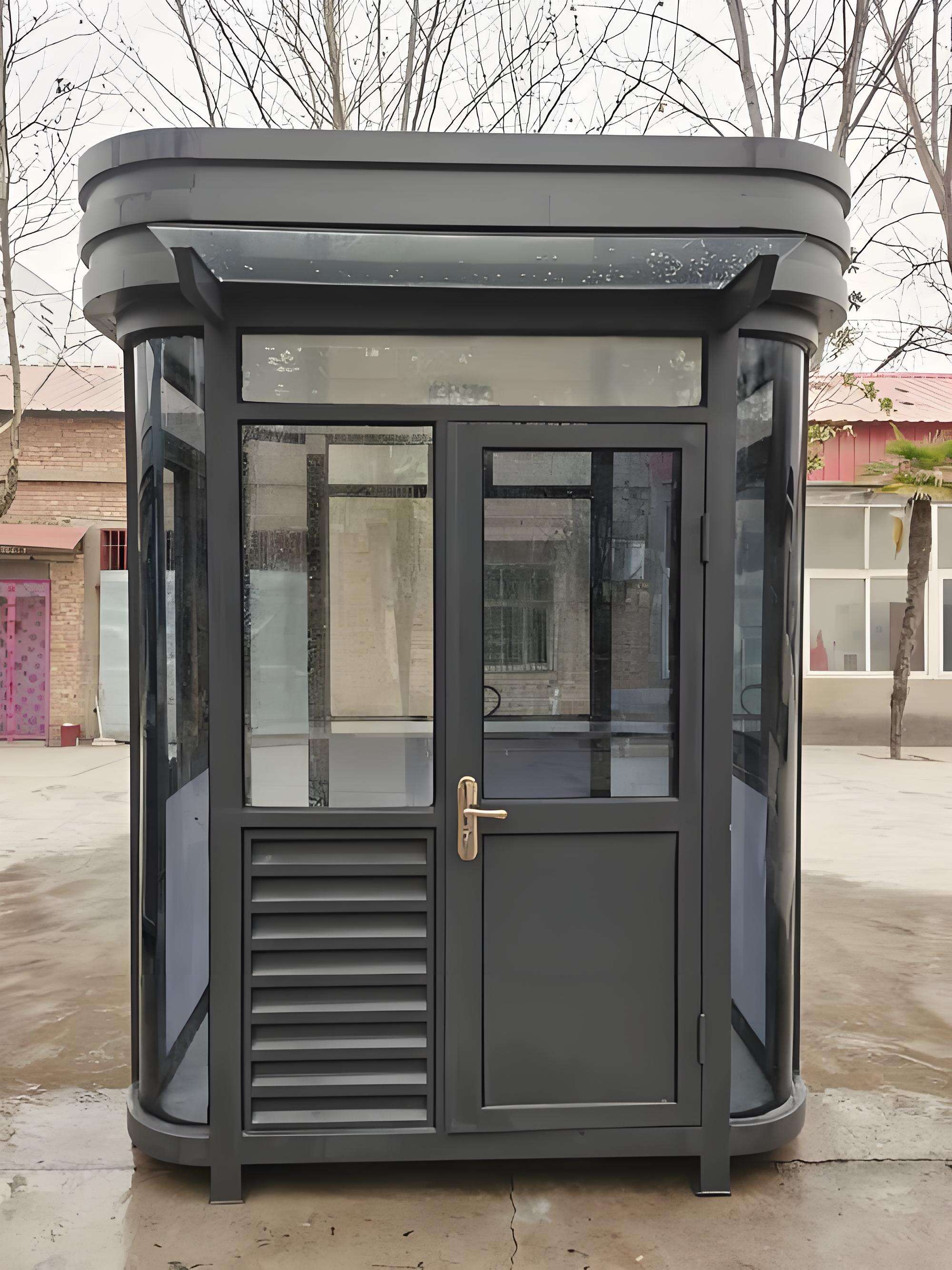
Security booth materials play a crucial role in determining the longevity, functionality, and cost-effectiveness of guard stations across various industries. When selecting the right construction materials for security installations, facility managers must consider factors such as weather resistance, structural integrity, maintenance requirements, and overall durability. The choice of security booth materials directly impacts not only the initial investment but also long-term operational costs and safety standards. Modern security facilities require robust construction that can withstand environmental challenges while maintaining professional appearance and operational efficiency. Understanding the properties and benefits of different security booth materials enables informed decision-making for both temporary and permanent installations.
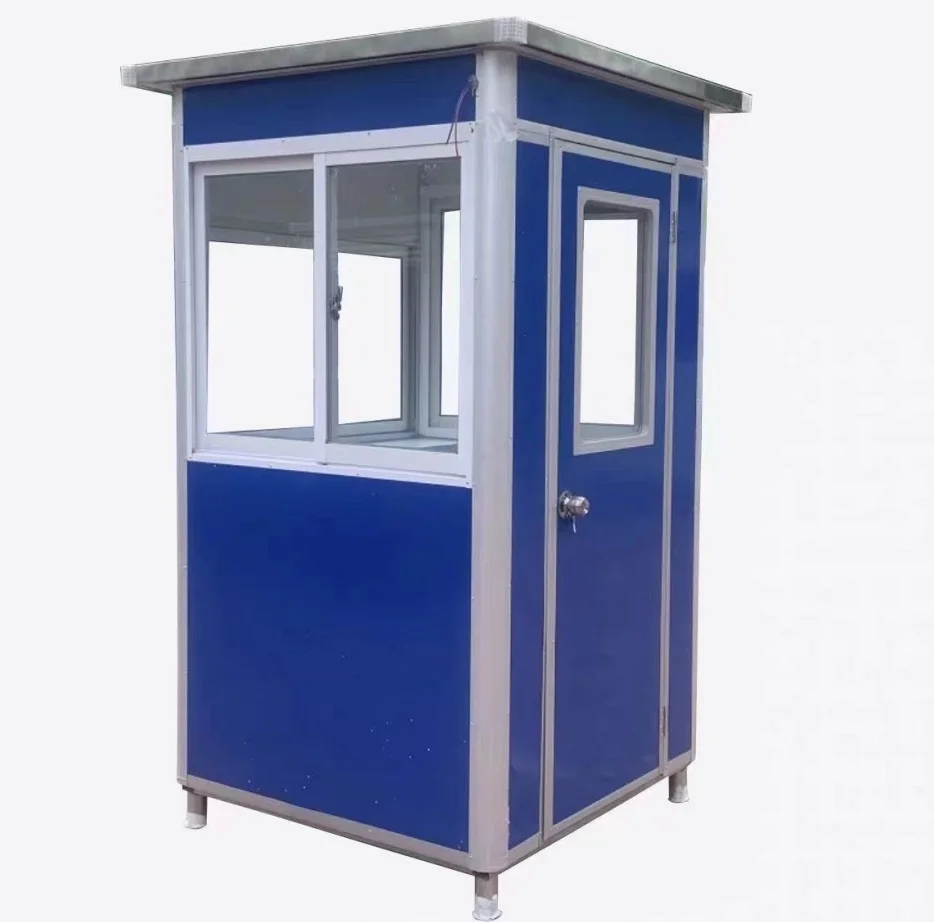
Steel Construction for Maximum Durability
Stainless Steel Advantages
Stainless steel represents one of the premium security booth materials available in today's market, offering exceptional resistance to corrosion, rust, and environmental degradation. This material maintains its structural integrity even in harsh weather conditions, making it ideal for installations in coastal areas, industrial zones, or regions with extreme temperature variations. The non-porous surface of stainless steel prevents moisture absorption and bacterial growth, contributing to easier maintenance and improved hygiene standards. Professional security installations often specify stainless steel construction due to its ability to maintain a polished appearance over extended periods without requiring frequent refinishing or replacement.
The inherent strength characteristics of stainless steel allow for thinner wall construction while maintaining superior structural performance compared to other security booth materials. This weight reduction translates to easier installation procedures and reduced foundation requirements, ultimately lowering overall project costs. Modern stainless steel alloys incorporate advanced metallurgy that enhances impact resistance and thermal stability, ensuring reliable performance under various operational conditions. The material's recyclability also supports sustainable construction practices, appealing to organizations with environmental responsibility initiatives.
Galvanized Steel Options
Galvanized steel provides an economical alternative among security booth materials while still delivering excellent durability and weather resistance. The zinc coating process creates a protective barrier that prevents rust formation and extends the material's service life significantly compared to untreated steel options. This coating naturally sacrifices itself to protect the underlying steel structure, providing self-healing properties when minor scratches or surface damage occurs. Industrial applications frequently utilize galvanized steel for security booth construction where cost considerations balance with performance requirements.
The manufacturing process for galvanized steel allows for precise fabrication and welding procedures, enabling custom configurations and specialized features in security booth designs. Advanced galvanizing techniques now produce coatings with enhanced adhesion properties and uniform thickness distribution, improving overall material performance. When properly maintained, galvanized steel security booth materials can provide decades of reliable service while requiring minimal intervention beyond periodic cleaning and inspection procedures.
Advanced Composite Materials
Fiberglass Reinforced Plastics
Fiberglass reinforced plastic composites represent innovative security booth materials that combine lightweight construction with exceptional strength-to-weight ratios. These materials resist corrosion, UV degradation, and chemical exposure while maintaining dimensional stability across wide temperature ranges. The manufacturing process allows for integral color incorporation, eliminating the need for painting or surface finishing treatments that require periodic renewal. Security installations in marine environments or chemical processing facilities particularly benefit from the inert properties of fiberglass composite construction.
The design flexibility offered by composite security booth materials enables complex geometries and integrated features that would be difficult or expensive to achieve with traditional materials. Modern pultrusion and molding techniques produce consistent material properties and precise dimensional tolerances, ensuring reliable performance and easy assembly procedures. The electrical insulation properties of fiberglass composites provide additional safety benefits in environments where electrical hazards may be present, making these materials increasingly popular for specialized security applications.
Carbon Fiber Integration
Carbon fiber reinforced materials represent the cutting edge of security booth materials technology, offering unmatched strength characteristics with minimal weight penalties. These advanced composites provide superior impact resistance and vibration damping properties, making them ideal for high-security installations or mobile security applications. The material's resistance to fatigue and stress concentration enables thin-wall construction without compromising structural integrity or safety margins.
While carbon fiber security booth materials require higher initial investment, their exceptional durability and minimal maintenance requirements often justify the cost over the facility's operational lifetime. The material's electromagnetic transparency allows for unobstructed communication equipment operation while maintaining structural protection. Advanced manufacturing techniques continue to reduce production costs and improve material consistency, making carbon fiber composites increasingly viable for mainstream security applications.
Insulation and Climate Control Materials
Expanded Polystyrene Systems
Expanded polystyrene represents essential security booth materials for thermal insulation and energy efficiency in climate-controlled installations. This lightweight material provides excellent insulation properties while maintaining structural stability and moisture resistance. The closed-cell structure prevents water absorption and maintains consistent thermal performance across varying environmental conditions. Professional installation techniques ensure proper vapor barrier integration and eliminate thermal bridging that could compromise insulation effectiveness.
The versatility of expanded polystyrene allows for custom thickness specifications and specialized configurations to meet specific thermal requirements. Modern formulations incorporate fire-retardant additives and improved cell structure for enhanced safety and performance characteristics. When combined with appropriate security booth materials for exterior construction, expanded polystyrene creates comprehensive building envelope systems that optimize occupant comfort and operational efficiency.
Polyurethane Foam Applications
Polyurethane foam insulation provides superior thermal performance among security booth materials while offering excellent adhesion properties and gap-filling capabilities. The spray application process creates seamless insulation coverage that eliminates thermal breaks and air infiltration paths common with traditional batt insulation methods. This material's ability to conform to irregular surfaces and penetrations ensures comprehensive coverage in complex security booth configurations.
The closed-cell structure of polyurethane foam provides moisture resistance and structural reinforcement that enhances overall building performance. Advanced formulations incorporate environmentally friendly blowing agents and improved fire safety characteristics while maintaining superior insulation properties. The material's long-term stability ensures consistent performance throughout the security booth's operational lifetime without settling or degradation that affects thermal efficiency.
Window and Glazing Materials
Ballistic Glass Options
Ballistic glass represents specialized security booth materials designed to provide protection against projectiles and forced entry attempts while maintaining visual transparency for security operations. These multi-layer constructions combine glass and plastic interlayers to absorb and distribute impact energy without catastrophic failure. The optical clarity of modern ballistic glazing systems enables clear visibility for security personnel while providing psychological deterrence to potential threats.
Manufacturing standards for ballistic glass security booth materials specify rigorous testing procedures and performance criteria to ensure reliable protection levels. The material thickness and layer configuration can be customized to meet specific threat assessments and security requirements. Installation procedures require specialized techniques and compatible framing systems to maintain the glazing's protective capabilities while ensuring proper sealing and weatherproofing.
Tempered Safety Glass
Tempered safety glass provides cost-effective glazing solutions for security booth materials where ballistic protection is not required but safety and durability remain important considerations. The thermal tempering process creates internal stress patterns that increase impact resistance and ensure safe failure characteristics when breakage occurs. This material maintains excellent optical clarity while resisting scratching and weathering that can affect visibility over time.
The manufacturing process for tempered glass allows for precise cutting and edge finishing before the tempering treatment, enabling custom sizes and configurations for specific security booth applications. Quality control procedures ensure consistent strength characteristics and optical properties across production runs. When properly installed with appropriate gaskets and drainage systems, tempered glass security booth materials provide years of maintenance-free service while supporting professional appearance standards.
Foundation and Structural Support
Concrete Base Systems
Concrete foundations provide essential support for permanent security booth installations, distributing structural loads and creating stable platforms for equipment mounting and operation. The material's compressive strength and durability make it ideal for supporting various security booth materials and configurations while resisting settlement and movement over time. Proper concrete design incorporates appropriate reinforcement and curing procedures to ensure long-term structural integrity.
Modern concrete formulations include admixtures that enhance workability, reduce shrinkage, and improve freeze-thaw resistance for installations in challenging climatic conditions. The material's thermal mass helps moderate temperature fluctuations within security booths, contributing to occupant comfort and energy efficiency. Surface treatments and sealers protect concrete foundations from moisture penetration and chemical exposure while maintaining appropriate traction for safe pedestrian access.
Steel Frame Construction
Steel framing systems provide versatile structural support for various security booth materials while enabling modular construction and future modifications. The material's high strength-to-weight ratio allows for efficient structural designs that minimize material usage while maintaining safety margins and code compliance. Welded and bolted connections provide flexibility in assembly procedures and enable field modifications when necessary.
Protective coatings for steel framing extend service life and maintain structural integrity in corrosive environments. Modern coating systems incorporate advanced chemistry that provides superior adhesion and durability compared to traditional paint systems. The standardization of steel sections and connection hardware facilitates cost-effective procurement and simplified construction procedures for security booth projects.
FAQ
What are the most cost-effective security booth materials for temporary installations?
For temporary installations, galvanized steel and aluminum composite panels offer the best balance of cost-effectiveness and durability among security booth materials. These materials provide adequate weather resistance and structural integrity while maintaining reasonable initial costs. Modular construction techniques using these materials enable easy relocation and reconfiguration as operational requirements change. The lightweight nature of aluminum reduces transportation costs and simplifies installation procedures for temporary applications.
How do different security booth materials perform in extreme weather conditions?
Stainless steel and fiberglass composite security booth materials demonstrate superior performance in extreme weather conditions, maintaining structural integrity and appearance across wide temperature ranges and exposure conditions. These materials resist thermal expansion and contraction that can cause joint failure or dimensional changes in less robust alternatives. Proper insulation and vapor barrier integration become critical factors when selecting security booth materials for installations subject to severe weather cycles or rapid temperature changes.
Which security booth materials require the least maintenance over time?
Stainless steel and high-quality composite security booth materials typically require minimal maintenance beyond periodic cleaning and inspection procedures. These materials resist corrosion, UV degradation, and mechanical wear that necessitate frequent repairs or refinishing in other material options. The initial investment in premium security booth materials often provides significant savings in long-term maintenance costs and operational disruptions compared to lower-cost alternatives that require frequent attention.
Can security booth materials be customized for specific environmental requirements?
Yes, most security booth materials can be customized through specialized coatings, treatments, or formulation modifications to meet specific environmental challenges such as chemical exposure, extreme temperatures, or marine environments. Manufacturers often provide engineering support to select appropriate security booth materials and specify necessary treatments for challenging applications. Custom fabrication capabilities enable integration of specialized features and performance characteristics that address unique operational requirements while maintaining structural integrity and safety standards.
Table of Contents
- Steel Construction for Maximum Durability
- Advanced Composite Materials
- Insulation and Climate Control Materials
- Window and Glazing Materials
- Foundation and Structural Support
-
FAQ
- What are the most cost-effective security booth materials for temporary installations?
- How do different security booth materials perform in extreme weather conditions?
- Which security booth materials require the least maintenance over time?
- Can security booth materials be customized for specific environmental requirements?