EN
EN
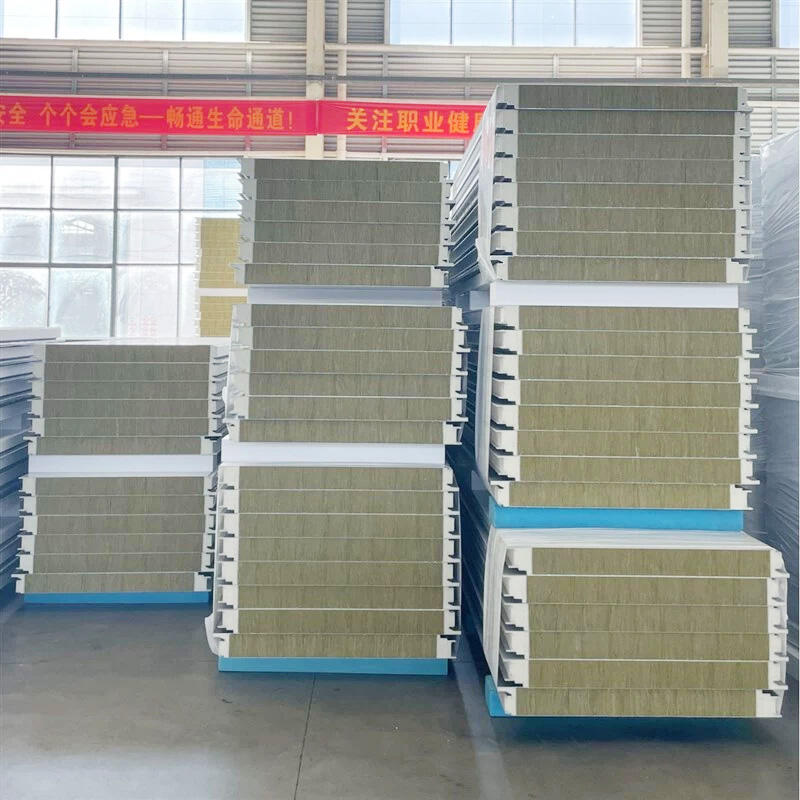
Modern construction demands materials that deliver exceptional performance while maintaining cost-effectiveness and environmental responsibility. PU sandwich panels have emerged as a revolutionary building solution that addresses these critical requirements across diverse industrial and commercial applications. These advanced composite panels combine polyurethane foam cores with high-quality metal facings to create superior insulation systems that outperform traditional construction materials in multiple key areas.
The construction industry continues to evolve toward more sustainable and efficient building practices, making PU sandwich panels increasingly valuable for architects, engineers, and contractors. These panels represent a significant advancement in building envelope technology, offering unmatched thermal performance, structural integrity, and installation efficiency. Understanding the comprehensive benefits of PU sandwich panels enables construction professionals to make informed decisions that enhance project outcomes while reducing long-term operational costs.
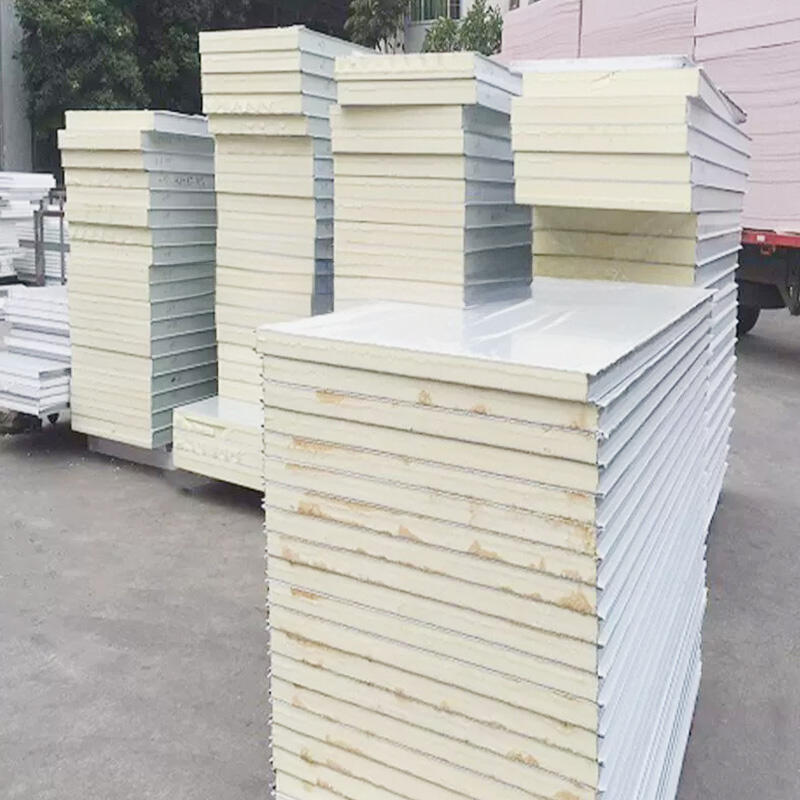
Superior Thermal Insulation Performance
Exceptional R-Value Properties
PU sandwich panels deliver outstanding thermal insulation performance through their closed-cell polyurethane foam core structure. The polyurethane material exhibits one of the lowest thermal conductivity values among commercially available insulation materials, typically ranging from 0.020 to 0.025 W/mK. This exceptional thermal resistance translates to superior energy efficiency in buildings, significantly reducing heating and cooling requirements throughout the operational lifecycle.
The continuous insulation provided by PU sandwich panels eliminates thermal bridging that commonly occurs with traditional construction methods. Unlike conventional insulation systems where structural elements create thermal breaks, these panels maintain consistent insulation performance across the entire building envelope. This comprehensive thermal barrier results in substantial energy savings, often reducing HVAC operational costs by 30-50% compared to standard construction approaches.
Moisture Resistance and Vapor Control
The closed-cell structure of polyurethane foam within PU sandwich panels provides excellent moisture resistance and vapor barrier properties. This inherent moisture protection prevents condensation issues that can compromise insulation effectiveness and lead to structural problems over time. The impermeable nature of the foam core ensures that thermal performance remains consistent regardless of environmental conditions or humidity levels.
Advanced manufacturing processes ensure that PU sandwich panels maintain their moisture resistance throughout their service life. The integral vapor barrier eliminates the need for additional membrane systems, simplifying installation while providing superior long-term performance. This moisture control capability makes these panels particularly valuable in applications such as cold storage facilities, food processing plants, and pharmaceutical manufacturing environments where humidity control is critical.
Structural Strength and Durability
Composite Panel Construction Benefits
The composite construction of PU sandwich panels creates exceptional structural strength through the synergistic interaction between the metal facings and polyurethane core. This structural configuration distributes loads effectively across the panel surface, enabling these components to support significant structural loads while maintaining their insulation properties. The panels can function as both structural and insulation elements, reducing overall building complexity and material requirements.
Engineering calculations demonstrate that PU sandwich panels can achieve remarkable strength-to-weight ratios, often exceeding traditional building materials by substantial margins. The polyurethane core bonds chemically with the metal facings during manufacturing, creating a monolithic structure that resists delamination and maintains structural integrity under various loading conditions. This composite action enables thinner, lighter wall and roof systems without compromising performance or safety requirements.
Long-Term Performance Characteristics
PU sandwich panels demonstrate exceptional longevity and performance stability over extended service periods. The polyurethane foam core maintains its cellular structure and thermal properties for decades, resisting degradation from temperature cycling, moisture exposure, and normal building movement. Independent testing confirms that properly manufactured panels retain over 95% of their initial thermal performance after 25 years of service.
The metal facings of PU sandwich panels receive protective coatings that resist corrosion, UV degradation, and weathering effects. These advanced coating systems extend panel service life while maintaining aesthetic appearance throughout the building lifecycle. The combination of durable facings and stable foam cores results in building systems that require minimal maintenance while delivering consistent performance over decades of operation.
Installation Efficiency and Cost Advantages
Rapid Construction Benefits
PU sandwich panels significantly accelerate construction schedules through their prefabricated design and straightforward installation procedures. These panels arrive at job sites as complete building envelope components, eliminating the need for separate insulation installation, vapor barriers, and multiple finish systems. Construction crews can install large panel sections quickly, often completing entire building envelopes in a fraction of the time required for conventional construction methods.
The lightweight nature of PU sandwich panels reduces handling requirements and enables installation with standard construction equipment. Typical panels weigh 60-70% less than equivalent masonry or concrete systems, reducing foundation requirements and structural loads throughout the building framework. This weight reduction translates to lower transportation costs, reduced crane time, and improved jobsite safety conditions during installation activities.
Economic Performance Analysis
Comprehensive lifecycle cost analysis reveals that PU sandwich panels provide superior economic value through multiple cost reduction mechanisms. Initial material and installation savings often range from 15-25% compared to traditional construction approaches, while long-term energy savings continue throughout the building operational period. The combination of reduced construction time, lower labor requirements, and enhanced energy performance creates compelling economic advantages for building owners.
Maintenance costs for buildings constructed with PU sandwich panels remain significantly lower than conventional systems due to the durability and stability of these panels. The integral construction eliminates common failure points associated with separate insulation and cladding systems, reducing repair and replacement requirements over the building lifecycle. These factors contribute to lower total ownership costs and improved return on investment for construction projects utilizing these advanced panels.
Environmental Sustainability Features
Energy Efficiency Contributions
The superior insulation performance of PU sandwich panels contributes significantly to building energy efficiency and environmental sustainability. Reduced energy consumption for heating and cooling operations translates directly to lower carbon emissions and reduced environmental impact throughout the building operational period. Studies indicate that buildings incorporating these panels can achieve 40-60% reductions in energy consumption compared to structures built with conventional materials.
Modern polyurethane foam formulations utilize low global warming potential blowing agents, further enhancing the environmental benefits of PU sandwich panels. Manufacturing processes have evolved to minimize environmental impact while maintaining the exceptional performance characteristics that make these panels valuable for sustainable construction applications. The long service life of these panels also reduces material replacement requirements, contributing to resource conservation and waste reduction objectives.
Recyclability and End-of-Life Management
Contemporary PU sandwich panels incorporate recycling considerations into their design and manufacturing processes. The metal facings can be readily recycled through established metal recovery systems, while advances in polyurethane recycling technology enable foam core material recovery and reprocessing. This recyclability potential supports circular economy principles and reduces the environmental impact of building renovation and demolition activities.
Manufacturers continue developing enhanced recycling technologies and take-back programs that support responsible end-of-life management for PU sandwich panels. These initiatives demonstrate industry commitment to environmental stewardship while ensuring that building owners have viable options for sustainable panel disposal and material recovery when buildings reach the end of their service lives.
Versatile Application Capabilities
Industrial and Commercial Applications
PU sandwich panels excel in diverse industrial applications where thermal performance, structural integrity, and installation efficiency are paramount. Cold storage facilities, food processing plants, pharmaceutical manufacturing, and chemical processing operations benefit significantly from the exceptional insulation properties and moisture resistance of these panels. The ability to maintain consistent internal temperatures while resisting condensation makes PU sandwich panels ideal for environments with strict climate control requirements.
Commercial building applications showcase the versatility of PU sandwich panels across retail, office, and institutional projects. The panels accommodate various architectural requirements while delivering superior energy performance and reduced operational costs. Design flexibility enables architects to create attractive facades while maintaining the thermal and structural benefits that make these panels valuable for sustainable commercial construction projects.
Specialized Performance Requirements
Advanced PU sandwich panels can incorporate specialized features to meet specific performance requirements in demanding applications. Fire-resistant formulations provide enhanced safety characteristics for applications requiring superior fire performance, while antimicrobial treatments support hygiene requirements in food and pharmaceutical applications. These specialized variants maintain the fundamental benefits of standard panels while addressing unique operational requirements.
Acoustic performance enhancements available in certain PU sandwich panels provide sound control benefits for applications where noise reduction is important. The foam core structure inherently provides some acoustic dampening, while specialized designs can achieve specific sound transmission class ratings required for industrial or commercial applications with stringent noise control requirements.
FAQ
How long do PU sandwich panels typically last in building applications
PU sandwich panels typically provide 25-30 years of reliable service in standard building applications, with many installations demonstrating excellent performance beyond this timeframe. The polyurethane foam core maintains its insulation properties and structural integrity throughout this service period, while protective coatings on metal facings resist weathering and corrosion. Proper installation and minimal maintenance requirements ensure consistent performance throughout the panel service life.
Can PU sandwich panels be used in extreme climate conditions
Yes, PU sandwich panels perform excellently in extreme climate conditions, from arctic environments to tropical regions with high humidity and temperature. The closed-cell foam structure resists moisture infiltration while maintaining insulation effectiveness across wide temperature ranges. Specialized coatings and materials can be specified for particularly challenging environments, ensuring reliable performance in the most demanding climate conditions.
What maintenance requirements do PU sandwich panels have
PU sandwich panels require minimal maintenance throughout their service life, typically limited to periodic cleaning and inspection of panel joints and fasteners. The integral construction eliminates many maintenance issues associated with separate insulation and cladding systems. Routine maintenance involves cleaning panel surfaces, checking sealant integrity, and inspecting fastener connections to ensure continued weather resistance and structural performance.
Are PU sandwich panels suitable for seismic regions
PU sandwich panels are well-suited for seismic regions due to their lightweight construction and flexible connection systems. The reduced building mass decreases seismic forces, while properly designed connections accommodate building movement during seismic events. Engineering analysis and appropriate connection details ensure that structures incorporating these panels meet seismic design requirements while maintaining their thermal and structural performance benefits.