EN
EN
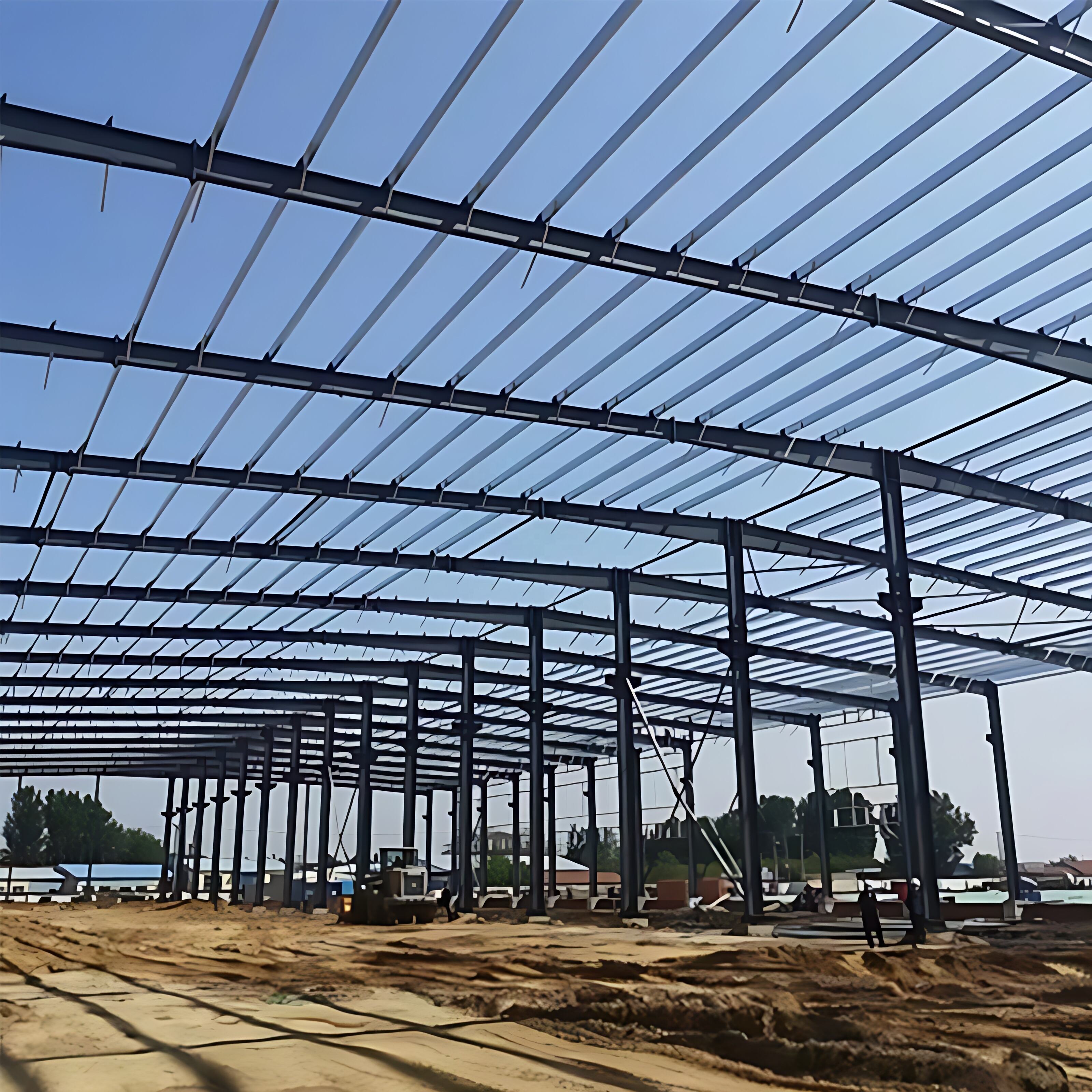
Modern industrial facilities require construction solutions that deliver exceptional durability, cost-effectiveness, and adaptability to meet evolving business demands. A steel structure building represents the pinnacle of industrial construction technology, offering unmatched strength-to-weight ratios and remarkable versatility for various applications. These engineered structures have revolutionized how manufacturers, logistics companies, and industrial operators approach facility development, providing superior performance characteristics that traditional building materials simply cannot match. The growing adoption of steel structure building solutions across global markets reflects their proven ability to deliver long-term value while maintaining operational efficiency.

Superior Structural Performance and Engineering Excellence
Exceptional Load-Bearing Capacity
The fundamental advantage of any steel structure building lies in its remarkable load-bearing capabilities that far exceed traditional construction materials. Steel's inherent tensile strength allows for the creation of expansive open spaces without requiring numerous support columns, maximizing usable floor area for industrial operations. This structural efficiency enables facilities to accommodate heavy machinery, extensive inventory storage, and complex production lines without compromising structural integrity. Advanced engineering techniques optimize steel frame designs to distribute loads effectively across the entire structure, ensuring consistent performance under varying operational conditions.
Industrial facilities constructed with steel frameworks demonstrate superior resistance to environmental stresses including wind loads, seismic activity, and thermal expansion. The predictable behavior of steel under stress allows engineers to precisely calculate safety factors and design structures that consistently exceed building code requirements. This engineering precision translates into reduced insurance costs and enhanced operational safety for businesses operating within these facilities.
Dimensional Stability and Precision Manufacturing
Steel structure building components are manufactured in controlled factory environments using computer-aided design and precision fabrication techniques that ensure dimensional accuracy within millimeter tolerances. This manufacturing precision eliminates the variability inherent in traditional construction methods, resulting in structures that assemble seamlessly and maintain their intended dimensions throughout their service life. The consistency of steel components allows for modular construction approaches that accelerate project timelines while maintaining exceptional quality standards.
Pre-engineered steel components undergo rigorous quality control processes that verify material properties, dimensional accuracy, and surface treatments before shipment to construction sites. This factory-controlled production environment ensures that every element of the steel structure building meets or exceeds specified performance criteria, eliminating the potential for on-site construction defects that could compromise structural integrity or operational efficiency.
Economic Advantages and Long-Term Value Creation
Reduced Construction Costs and Timeline Acceleration
The economic benefits of selecting a steel structure building for industrial applications begin during the construction phase and continue throughout the facility's operational life. Steel construction methods significantly reduce project timelines compared to traditional building approaches, with many industrial facilities achieving occupancy readiness in half the time required for conventional construction. This accelerated timeline translates into earlier revenue generation and reduced financing costs for business operators.
Material efficiency inherent in steel construction reduces overall project costs while delivering superior performance characteristics. The high strength-to-weight ratio of steel allows for lighter foundation requirements, reducing excavation and concrete costs significantly. Additionally, the predictable behavior of steel materials enables precise cost estimation during project planning phases, minimizing budget overruns and financial surprises that commonly plague construction projects using alternative materials.
Operational Efficiency and Maintenance Advantages
Long-term operational costs for a steel structure building remain consistently lower than facilities constructed with alternative materials due to reduced maintenance requirements and exceptional durability. Steel's resistance to pest infestation, rot, and environmental degradation eliminates many maintenance concerns that affect traditional building materials, resulting in predictable operational expenses and minimal facility downtime.
Energy efficiency characteristics of modern steel construction contribute to reduced operational costs through improved thermal performance and optimized building envelope design. Advanced insulation systems integrate seamlessly with steel framing systems, creating highly efficient thermal barriers that minimize heating and cooling expenses throughout the facility's operational life. These energy savings compound over time, contributing significantly to the total cost of ownership advantages offered by steel construction methods.
Design Flexibility and Adaptability Features
Architectural Versatility and Aesthetic Options
Contemporary steel structure building design encompasses a vast range of architectural possibilities that accommodate diverse industrial requirements while maintaining aesthetic appeal. Steel's structural capabilities enable the creation of dramatic architectural features including soaring roof lines, expansive glazing systems, and innovative facade treatments that enhance both functionality and visual impact. This design flexibility allows industrial facilities to project professional corporate images while optimizing internal operations.
Modern steel construction techniques support integration of sustainable design elements including solar panel mounting systems, green roof installations, and natural lighting solutions that enhance environmental performance. The structural strength of steel frameworks easily accommodates additional loads from sustainable technology installations without requiring costly structural modifications or reinforcements during facility upgrades.
Future Expansion and Modification Capabilities
Business growth and operational changes often require facility modifications or expansions that can be challenging with traditional construction methods. A steel structure building provides exceptional adaptability for future modifications, allowing businesses to reconfigure internal spaces, add building sections, or integrate new operational systems with minimal structural disruption. This adaptability protects long-term investment value and ensures that facilities can evolve alongside business requirements.
Steel's modular construction characteristics enable systematic facility expansions that maintain architectural consistency and structural integrity throughout the expansion process. Planned expansion capabilities can be integrated into initial steel structure building designs, creating connection points and structural provisions that facilitate future growth without compromising existing operations or requiring extensive structural modifications.
Environmental Benefits and Sustainability Advantages
Material Sustainability and Recycling Capabilities
Steel represents one of the most sustainable construction materials available, with recycling rates approaching ninety percent for structural steel components at the end of their service life. This exceptional recyclability ensures that steel structure building projects contribute to circular economy principles while minimizing environmental impact throughout the material lifecycle. The durability of steel construction extends building service life significantly beyond alternative materials, further reducing environmental impact through decreased replacement frequency.
Modern steel production incorporates substantial recycled content, with many structural steel products containing over fifty percent recycled materials without compromising performance characteristics. This recycled content utilization reduces the environmental footprint of new steel structure building projects while supporting sustainable manufacturing practices throughout the steel supply chain.
Energy Performance and Carbon Footprint Reduction
Steel construction methods contribute to reduced carbon footprints through optimized material usage, efficient construction processes, and enhanced building performance characteristics. The precision manufacturing of steel components minimizes material waste during construction while the structural efficiency of steel frameworks reduces overall material requirements compared to alternative construction methods.
Thermal performance optimization achieved through modern steel structure building techniques supports significant energy consumption reductions throughout facility operational life. Advanced insulation integration, thermal bridge elimination, and air sealing technologies combine with steel frameworks to create highly efficient building envelopes that minimize energy requirements for climate control systems.
Safety and Durability Characteristics
Fire Safety and Structural Protection
Modern steel structure building design incorporates comprehensive fire protection strategies that ensure exceptional safety performance under emergency conditions. Steel's predictable behavior under elevated temperatures allows engineers to design protection systems that maintain structural integrity during fire events, providing extended evacuation times and protecting valuable industrial assets. Advanced fireproofing treatments and design techniques ensure that steel structures meet or exceed the most stringent fire safety codes and insurance requirements.
Structural steel's non-combustible properties eliminate fuel sources that could contribute to fire spread, enhancing overall facility safety compared to buildings constructed with combustible materials. This fire safety advantage translates into reduced insurance premiums and enhanced protection for personnel and equipment housed within steel structure building facilities.
Weather Resistance and Environmental Protection
Steel construction provides exceptional resistance to environmental challenges including extreme weather events, seismic activity, and long-term exposure to harsh industrial conditions. Modern protective coatings and galvanizing treatments ensure that steel structure building components maintain their performance characteristics throughout extended service lives, even in challenging environmental conditions.
The structural stability of steel frameworks ensures consistent performance under varying environmental loads, protecting valuable equipment and inventory from weather-related damage. This reliability factor becomes particularly important for industrial operations that cannot tolerate facility downtime or structural failures that could disrupt critical business processes.
FAQ
How long does a steel structure building typically last in industrial applications
Steel structure buildings designed for industrial use typically provide service lives exceeding fifty years with proper maintenance, often extending to seventy-five years or more under optimal conditions. The durability of modern steel construction combined with advanced protective coatings ensures consistent performance throughout these extended service periods. Regular maintenance programs can further extend building life while maintaining optimal performance characteristics.
What are the typical construction timeframes for steel structure building projects
Industrial steel structure building projects generally require thirty to fifty percent less construction time compared to traditional building methods, depending on project complexity and size. Pre-engineered components manufactured in controlled factory environments enable rapid on-site assembly, with many facilities achieving occupancy readiness within three to six months from construction commencement. This accelerated timeline provides significant economic advantages through earlier operational commencement.
How do steel structure buildings perform in extreme weather conditions
Steel structure buildings demonstrate exceptional performance under extreme weather conditions including high winds, heavy snow loads, and seismic events when properly designed and constructed. Engineering calculations ensure that steel frameworks can withstand environmental loads significantly exceeding local building code requirements. The predictable behavior of steel under stress allows for precise safety factor calculations that provide reliable protection under adverse conditions.
What maintenance requirements are typical for steel structure building facilities
Maintenance requirements for steel structure building facilities remain minimal compared to traditional construction, typically involving periodic inspections, protective coating maintenance, and routine building system servicing. The durability of steel components eliminates many maintenance concerns associated with alternative materials, resulting in predictable maintenance schedules and reduced long-term operational costs. Proper maintenance programs ensure optimal performance throughout the building's extended service life.
Table of Contents
- Superior Structural Performance and Engineering Excellence
- Economic Advantages and Long-Term Value Creation
- Design Flexibility and Adaptability Features
- Environmental Benefits and Sustainability Advantages
- Safety and Durability Characteristics
-
FAQ
- How long does a steel structure building typically last in industrial applications
- What are the typical construction timeframes for steel structure building projects
- How do steel structure buildings perform in extreme weather conditions
- What maintenance requirements are typical for steel structure building facilities