EN
EN
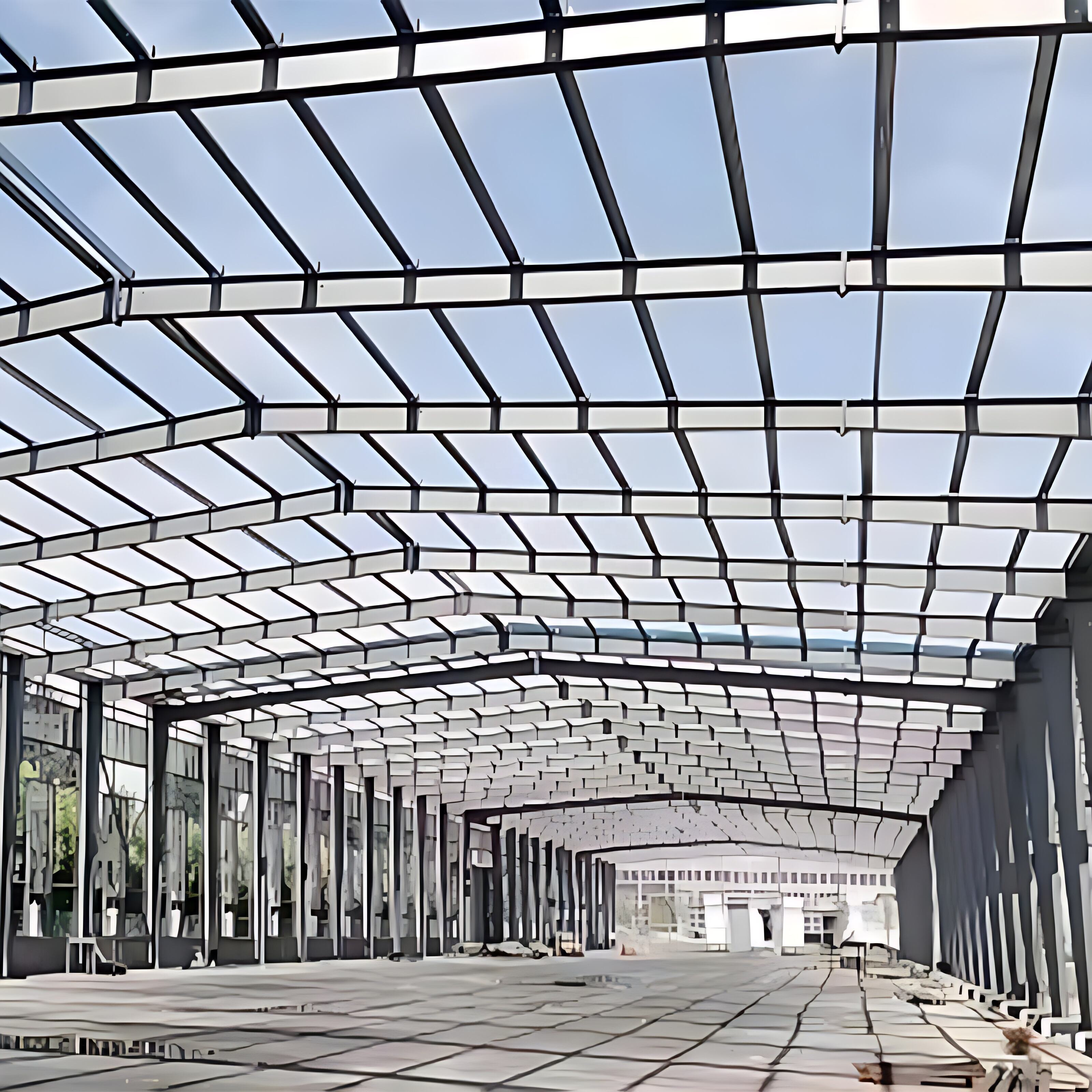
Designing an efficient steel structure building requires careful consideration of multiple engineering factors, architectural requirements, and construction methodologies. A well-planned steel structure building offers exceptional strength-to-weight ratios, cost-effectiveness, and construction speed advantages over traditional building materials. Modern industrial projects increasingly rely on steel structure building solutions to meet demanding performance standards while maintaining budget constraints and accelerated project timelines.

The fundamental principles governing steel structure building design encompass load distribution analysis, material selection optimization, and structural connectivity planning. Professional engineers must evaluate dead loads, live loads, wind loads, and seismic forces to ensure the steel structure building performs reliably throughout its intended service life. Proper planning during the initial design phase significantly reduces construction costs and enhances long-term operational efficiency.
Contemporary steel structure building projects benefit from advanced computer modeling software that enables precise stress analysis and material optimization. These technological tools allow designers to simulate various loading conditions and refine structural configurations before construction begins. The integration of Building Information Modeling (BIM) technology has revolutionized how engineers approach steel structure building design, providing three-dimensional visualization and clash detection capabilities.
Foundation and Site Preparation Requirements
Soil Analysis and Foundation Design
Successful steel structure building projects begin with comprehensive geotechnical investigations to determine soil bearing capacity, settlement characteristics, and groundwater conditions. The foundation system must adequately transfer all structural loads from the steel framework to the underlying soil or rock formations. Different foundation types, including spread footings, mat foundations, and deep foundation systems, may be appropriate depending on site-specific conditions and the steel structure building configuration.
Foundation design calculations must account for both static and dynamic loading conditions that the steel structure building will experience during normal operations. Engineers typically specify concrete foundations with embedded anchor bolts positioned to align precisely with column base plates. The anchor bolt layout and foundation dimensions directly influence the overall stability and performance of the entire steel structure building system.
Site Preparation and Access Planning
Effective site preparation ensures efficient construction sequencing and material handling for steel structure building projects. Proper site grading, drainage installation, and access road construction facilitate heavy equipment operations and steel member delivery. Construction teams must establish temporary facilities, storage areas, and crane positioning zones to support the steel structure building erection process.
Site logistics planning becomes particularly important for large-scale steel structure building projects requiring multiple crane operations and extensive material staging areas. Project managers coordinate delivery schedules to minimize on-site storage requirements while ensuring continuous construction progress. Weather protection measures and temporary utilities installation support year-round construction activities.
Structural Frame Design and Load Analysis
Primary Structural System Configuration
The primary structural frame of a steel structure building typically consists of columns, beams, bracing systems, and connections designed to resist all applied loads safely. Column spacing, beam spans, and overall building dimensions significantly influence material quantities and construction costs. Designers optimize the steel structure building frame configuration to balance structural efficiency with architectural requirements and mechanical system integration needs.
Moment-resisting frames, braced frames, and hybrid systems each offer distinct advantages for different steel structure building applications. Moment connections provide architectural flexibility by eliminating diagonal bracing members, while concentrically braced frames offer superior lateral load resistance with reduced material costs. The selection of appropriate framing systems depends on building height, span requirements, and lateral force magnitudes.
Load Path Development and Analysis
Comprehensive load analysis ensures that every component within the steel structure building receives appropriate design consideration for all applicable loading conditions. Dead loads include the weight of structural members, roofing systems, wall cladding, and permanently installed equipment. Live loads vary depending on building occupancy and usage patterns, requiring careful evaluation of code-specified minimum values and actual anticipated loading conditions.
Wind and seismic loads represent critical design considerations for steel structure building projects, particularly in regions with severe weather conditions or high seismic activity. Engineers utilize sophisticated analysis software to model wind pressure distributions and seismic response characteristics. Proper load path development ensures that lateral forces transfer efficiently through the structural system to the foundation elements.
Material Selection and Specification
Steel Grade Selection and Properties
Steel grade selection significantly impacts the performance, cost, and constructability of any steel structure building project. Common structural steel grades include A36, A572, and A992, each offering different yield strengths and material properties. Higher strength steels enable reduced member sizes and potentially lower overall project costs, while standard grades provide proven reliability and widespread availability.
Material specifications must address corrosion protection requirements, temperature performance characteristics, and connection compatibility considerations. Galvanized steel provides enhanced corrosion resistance for steel structure building applications in aggressive environments. Fire-resistant steel grades may be specified for buildings with specific fire protection requirements or where passive fire protection systems are preferred.
Connection Design and Fastener Selection
Connection design represents a critical aspect of steel structure building engineering, as connections transfer forces between structural members and influence overall system behavior. Bolted connections offer field adjustment capabilities and simplified erection procedures, while welded connections provide superior strength and stiffness characteristics. Hybrid connection systems combine welding and bolting to optimize both shop fabrication efficiency and field installation requirements.
High-strength bolts, including A325 and A490 grades, provide reliable connection performance for demanding steel structure building applications. Proper bolt tensioning and installation procedures ensure connection integrity throughout the building service life. Connection design must accommodate thermal movement, construction tolerances, and long-term creep effects while maintaining required strength and stiffness characteristics.
Building Envelope and Cladding Systems
Wall System Integration
Building envelope design for steel structure building projects must address thermal performance, weather resistance, and architectural appearance requirements. Metal panel systems, precast concrete panels, and masonry cladding each offer distinct advantages depending on project requirements and budget constraints. The interface between cladding systems and the steel structure building frame requires careful detailing to accommodate thermal movement and structural deflections.
Insulation systems play a crucial role in achieving desired thermal performance for steel structure building envelopes. Continuous insulation strategies help minimize thermal bridging through structural members while maintaining required fire resistance ratings. Vapor barrier placement and air sealing details prevent moisture infiltration and ensure long-term building envelope durability.
Roofing System Design
Roofing system selection for steel structure building projects depends on span capabilities, load requirements, and environmental conditions. Standing seam metal roofing provides excellent weather resistance and integrates well with steel framing systems. Built-up roofing systems offer proven performance for low-slope applications, while single-ply membrane systems provide installation efficiency and maintenance advantages.
Roof drainage design becomes particularly important for steel structure building projects with large roof areas and limited interior columns. Proper slope configuration and drain placement prevent water accumulation and reduce structural loading. Snow load considerations influence both structural design and drainage system requirements in cold climate regions.
Mechanical and Electrical System Integration
HVAC System Coordination
Mechanical system integration requires early coordination between structural and mechanical engineers to ensure adequate space allocation within the steel structure building framework. Ductwork routing, equipment placement, and piping systems must coordinate with structural member locations and building envelope penetrations. Proper planning prevents conflicts during construction and ensures optimal system performance.
Equipment support systems within steel structure building projects require specialized structural analysis to address dynamic loading conditions and vibration isolation requirements. Heavy mechanical equipment may necessitate supplemental structural framing or foundation systems. Seismic restraint systems ensure mechanical equipment remains operational following earthquake events.
Electrical and Communication Infrastructure
Electrical system design for steel structure building projects must address power distribution, lighting systems, and communication infrastructure requirements. Cable tray systems provide organized routing for electrical conductors while maintaining accessibility for maintenance activities. Grounding and bonding requirements ensure electrical safety and proper equipment operation throughout the building.
Modern steel structure building projects increasingly incorporate smart building technologies and renewable energy systems. Solar panel mounting systems require structural analysis to address wind uplift forces and concentrated loading conditions. Energy management systems integrate with building automation platforms to optimize operational efficiency and reduce energy consumption.
Construction Sequencing and Quality Control
Erection Planning and Safety Protocols
Steel structure building erection requires detailed planning to ensure worker safety and construction efficiency. Crane selection and positioning directly influence erection sequencing and overall project duration. Temporary bracing systems maintain structural stability during construction while permanent connections are completed. Fall protection systems and safety protocols protect workers throughout the steel structure building erection process.
Quality control procedures during steel structure building construction include dimensional verification, connection inspection, and material certification review. Independent inspection services verify compliance with design specifications and applicable building codes. Proper documentation of construction activities supports warranty requirements and future maintenance planning.
Testing and Commissioning Procedures
Comprehensive testing programs verify the performance of completed steel structure building systems before occupancy. Structural load testing may be required for innovative designs or critical applications. Non-destructive testing methods evaluate weld quality and connection integrity without compromising structural performance. Building envelope testing validates weather resistance and thermal performance characteristics.
Commissioning activities for steel structure building projects encompass mechanical systems, electrical systems, and building automation platforms. Systematic testing and adjustment procedures ensure all systems operate according to design intent. Training programs for building operators and maintenance personnel support long-term operational success.
FAQ
What factors determine the optimal column spacing for a steel structure building
Optimal column spacing for steel structure building projects depends on span capabilities of roof and floor systems, crane requirements, and architectural layout needs. Typical spacing ranges from 20 to 40 feet, balancing structural efficiency with functional requirements. Longer spans reduce the number of columns but increase beam sizes and costs.
How do seismic design requirements affect steel structure building configuration
Seismic design requirements significantly influence steel structure building framing systems, connection details, and foundation design. Higher seismic zones require enhanced lateral force resistance through braced frames or moment connections. Ductile detailing ensures the steel structure building can absorb seismic energy without collapse.
What are the typical construction timeframes for steel structure building projects
Steel structure building construction typically proceeds faster than other building systems due to prefabricated components and simplified connections. Small industrial buildings may complete within 2-4 months, while large complex projects require 6-12 months. Weather conditions and site accessibility significantly influence construction duration.
How does building height affect steel structure building design approaches
Building height influences lateral load resistance requirements, foundation design, and material selection for steel structure building projects. Taller buildings require enhanced bracing systems or moment frames to resist wind and seismic forces. Connection design becomes more critical as building height increases due to amplified lateral forces and potential for progressive collapse.
Table of Contents
- Foundation and Site Preparation Requirements
- Structural Frame Design and Load Analysis
- Material Selection and Specification
- Building Envelope and Cladding Systems
- Mechanical and Electrical System Integration
- Construction Sequencing and Quality Control
-
FAQ
- What factors determine the optimal column spacing for a steel structure building
- How do seismic design requirements affect steel structure building configuration
- What are the typical construction timeframes for steel structure building projects
- How does building height affect steel structure building design approaches