EN
EN
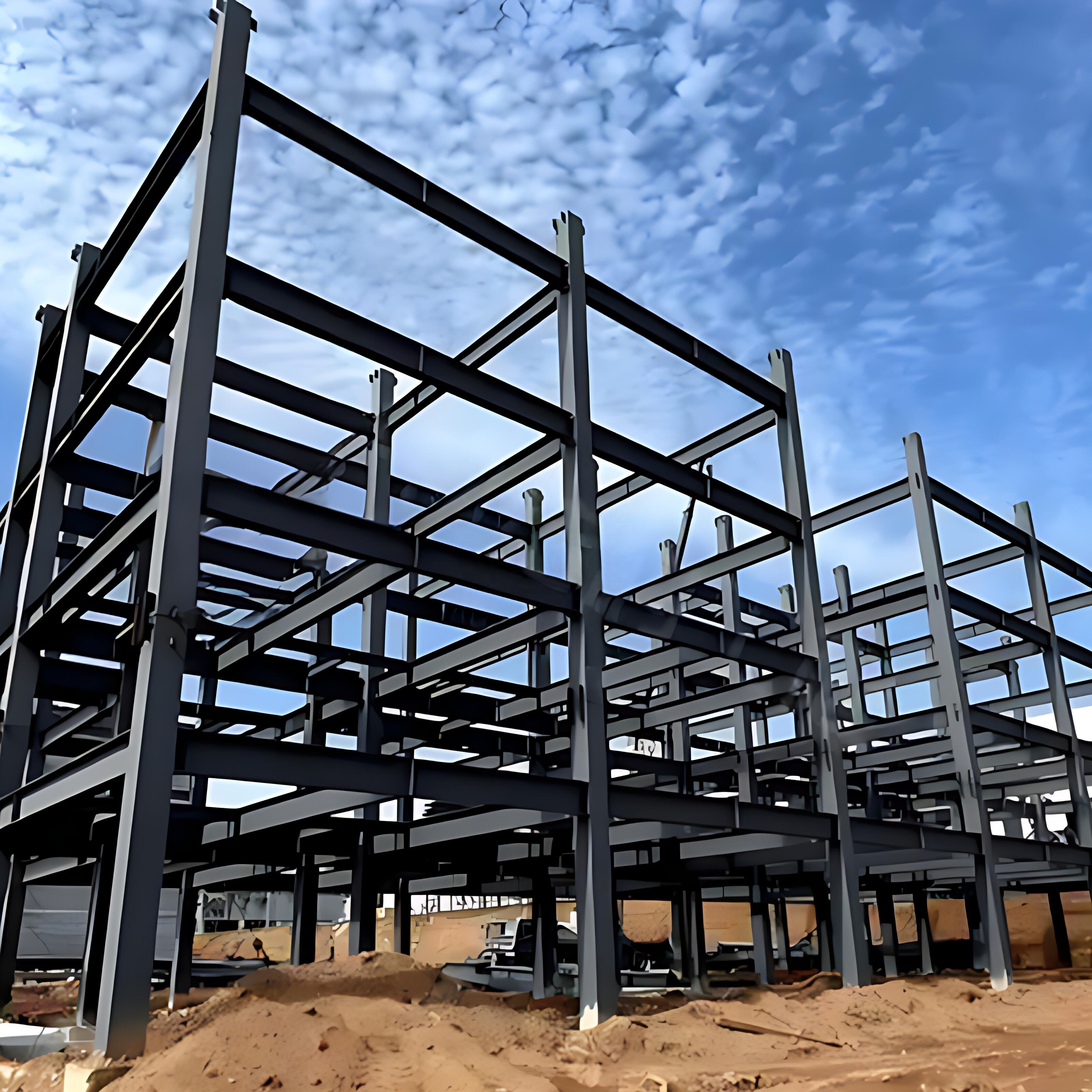
Modern industrial storage demands efficient, durable, and cost-effective building solutions that can withstand heavy loads while providing maximum operational flexibility. A steel structure warehouse represents the pinnacle of contemporary storage facility design, offering unparalleled advantages over traditional construction methods. These engineered buildings combine structural integrity with economic efficiency, making them the preferred choice for businesses seeking reliable long-term storage solutions. The versatility and performance characteristics of steel construction have revolutionized how companies approach warehouse development, providing solutions that adapt to evolving business needs while maintaining exceptional structural performance.

Structural Benefits and Durability Advantages
Superior Load-Bearing Capacity
Steel construction delivers exceptional load-bearing capabilities that surpass conventional building materials in warehouse applications. The inherent strength-to-weight ratio of steel allows for wider spans without intermediate support columns, maximizing usable floor space for storage operations. A steel structure warehouse can accommodate heavy machinery, dense storage systems, and substantial inventory loads without compromising structural integrity. This superior capacity enables businesses to optimize their storage density while maintaining safety standards throughout the facility's operational lifetime.
The engineering properties of steel enable precise load calculations and predictable performance under various stress conditions. Professional engineers can design steel structure warehouse systems that meet specific load requirements while incorporating safety factors that exceed industry standards. This precision in load management translates to reliable performance and reduced maintenance concerns over the building's lifespan.
Weather Resistance and Environmental Protection
Advanced steel construction incorporates protective coatings and treatments that provide exceptional resistance to environmental factors. A properly designed steel structure warehouse withstands extreme weather conditions, including high winds, heavy snow loads, and temperature fluctuations that would challenge other construction materials. The corrosion-resistant properties of treated steel ensure long-term durability even in challenging industrial environments.
Modern steel structure warehouse designs integrate comprehensive weatherproofing systems that protect stored goods from moisture, temperature variations, and other environmental threats. These protection systems maintain consistent internal conditions while minimizing energy costs associated with climate control operations.
Economic Advantages and Cost Efficiency
Reduced Construction Timeframes
The prefabricated nature of steel construction significantly reduces on-site construction time compared to traditional building methods. A steel structure warehouse utilizes pre-engineered components manufactured in controlled factory environments, ensuring consistent quality while accelerating installation schedules. This rapid construction approach minimizes project disruption and enables faster occupancy, allowing businesses to begin operations sooner and realize return on investment more quickly.
Streamlined construction processes also reduce labor costs and site management expenses associated with extended construction periods. The efficiency of steel structure warehouse assembly translates to predictable project timelines and reduced exposure to weather-related delays or cost overruns.
Long-Term Operational Savings
Steel construction offers substantial operational cost advantages through reduced maintenance requirements and extended service life. A steel structure warehouse typically requires minimal structural maintenance compared to traditional construction materials, resulting in lower lifecycle costs and improved profitability over time. The durability of steel construction eliminates frequent repair costs and reduces operational disruptions associated with building maintenance activities.
Energy efficiency features integrated into steel structure warehouse designs contribute to ongoing operational savings through reduced heating, cooling, and lighting costs. The thermal properties of insulated steel construction maintain stable internal temperatures while minimizing energy consumption throughout the facility's operational life.
Design Flexibility and Customization Options
Adaptable Layout Configurations
The clear-span capabilities of steel construction enable flexible interior layouts that can adapt to changing operational requirements. A steel structure warehouse provides unobstructed floor space that accommodates various storage systems, material handling equipment, and workflow configurations without structural limitations. This flexibility allows businesses to reconfigure their facilities as operational needs evolve without requiring major structural modifications.
The modular nature of steel construction facilitates future expansions and modifications with minimal disruption to ongoing operations. Steel structure warehouse systems can be easily extended or modified to accommodate business growth or changing operational requirements, providing long-term adaptability that protects initial investment value.
Integration of Modern Building Systems
Steel construction readily accommodates advanced building systems including automated storage and retrieval systems, sophisticated HVAC installations, and integrated fire protection systems. A steel structure warehouse can incorporate these technologies seamlessly during initial construction or through subsequent upgrades, ensuring compatibility with evolving operational requirements and technological advances.
The structural characteristics of steel construction support heavy mechanical systems and equipment installations without requiring additional structural reinforcement. This capability enables comprehensive facility automation and optimization while maintaining structural performance and safety standards.
Environmental Benefits and Sustainability
Recyclable Construction Materials
Steel represents one of the most environmentally sustainable construction materials available, with exceptional recyclability that reduces environmental impact throughout the building's lifecycle. A steel structure warehouse utilizes materials that can be completely recycled at the end of the building's service life, contributing to circular economy principles and reducing waste disposal concerns.
The manufacturing processes for steel construction materials have evolved to minimize environmental impact while maintaining superior performance characteristics. Modern steel production incorporates energy-efficient processes and recycled content that further enhance the environmental benefits of steel structure warehouse construction.
Energy Efficiency and Performance
Advanced insulation systems and thermal design principles optimize energy performance in steel structure warehouse applications. These buildings achieve superior energy efficiency through carefully designed thermal barriers and reflective roofing systems that minimize heat gain and loss throughout seasonal variations.
Natural lighting integration capabilities in steel construction reduce artificial lighting requirements while maintaining optimal working conditions. A steel structure warehouse can incorporate extensive daylighting systems that improve working environments while reducing operational energy consumption and associated costs.
Safety and Fire Resistance Considerations
Enhanced Fire Protection Properties
Modern steel construction incorporates advanced fire protection systems and materials that provide superior fire resistance compared to many traditional building materials. A steel structure warehouse can integrate comprehensive fire suppression systems and fire-resistant treatments that protect both the building structure and stored materials from fire damage.
The non-combustible properties of steel construction contribute to overall fire safety while supporting the installation of sophisticated fire detection and suppression systems. These safety features protect valuable inventory and ensure compliance with stringent fire safety regulations applicable to industrial storage facilities.
Structural Stability and Worker Safety
The predictable performance characteristics of steel construction provide exceptional structural stability that enhances worker safety throughout the facility's operational life. A steel structure warehouse maintains dimensional stability under various loading conditions, reducing risks associated with structural movement or failure that could endanger personnel or stored materials.
Engineered steel construction systems undergo rigorous testing and analysis to ensure compliance with stringent safety standards. This engineering oversight provides confidence in structural performance while supporting safe working environments for warehouse personnel and visitors.
FAQ
How long does it take to construct a steel structure warehouse compared to traditional construction
A steel structure warehouse typically requires 30-50% less construction time than traditional concrete or masonry buildings of comparable size. The prefabricated components are manufactured off-site while site preparation occurs simultaneously, significantly reducing overall project duration. Most steel warehouse projects can be completed within 3-6 months depending on size and complexity, compared to 8-12 months for traditional construction methods.
What maintenance requirements are associated with steel structure warehouse buildings
Steel structure warehouse buildings require minimal maintenance when properly designed and constructed with appropriate protective coatings. Routine maintenance typically involves periodic inspection of protective coatings, cleaning of gutters and drainage systems, and standard maintenance of mechanical systems. The structural steel itself requires no maintenance under normal conditions, and the building envelope systems typically need attention only every 10-15 years depending on environmental conditions.
Can a steel structure warehouse be expanded or modified after initial construction
Yes, steel structure warehouse buildings offer exceptional flexibility for future expansions and modifications. The modular design principles allow for horizontal expansions, vertical additions, and interior reconfigurations with minimal impact on existing operations. Steel construction systems are specifically designed to accommodate future modifications, making them ideal for growing businesses that may need to adapt their facilities over time.
What size limitations exist for steel structure warehouse construction
Modern steel construction technology enables virtually unlimited warehouse sizes through engineered design solutions. Clear spans of over 200 feet are routinely achieved without intermediate columns, and building lengths can extend indefinitely through modular construction approaches. Height limitations are primarily governed by local building codes and operational requirements rather than structural capabilities, with steel structure warehouse buildings commonly reaching heights of 40-60 feet for standard applications.
Table of Contents
- Structural Benefits and Durability Advantages
- Economic Advantages and Cost Efficiency
- Design Flexibility and Customization Options
- Environmental Benefits and Sustainability
- Safety and Fire Resistance Considerations
-
FAQ
- How long does it take to construct a steel structure warehouse compared to traditional construction
- What maintenance requirements are associated with steel structure warehouse buildings
- Can a steel structure warehouse be expanded or modified after initial construction
- What size limitations exist for steel structure warehouse construction