EN
EN
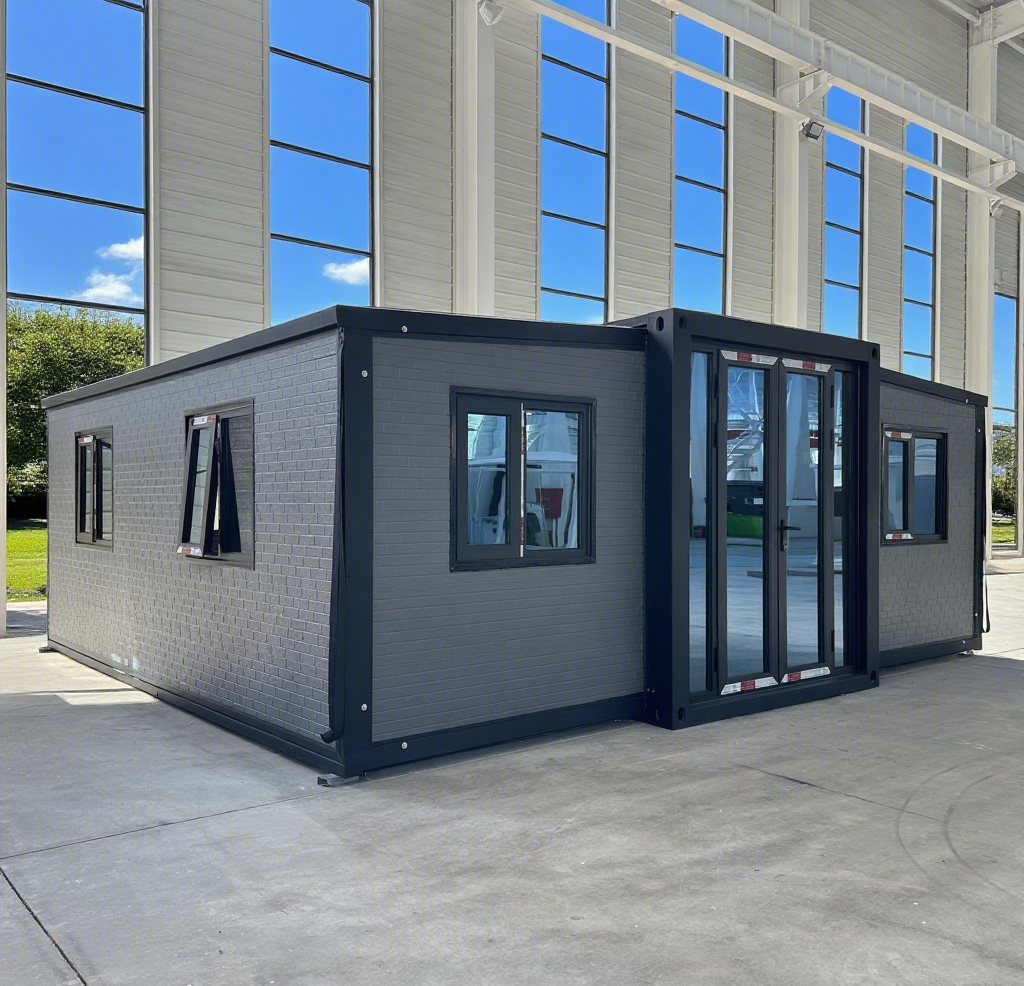
Planning a steel warehouse requires careful consideration of multiple factors to achieve maximum operational efficiency and cost-effectiveness. Modern industrial facilities depend on strategic design elements that optimize storage capacity, workflow patterns, and long-term functionality. A well-designed steel warehouse serves as the backbone of supply chain operations, directly impacting productivity levels and operational costs across various industries.

The foundation of efficient steel warehouse planning lies in understanding specific operational requirements and future growth projections. Steel construction offers unparalleled advantages in terms of structural integrity, span capabilities, and construction speed compared to traditional building methods. These benefits translate into reduced construction timelines and enhanced operational flexibility for warehouse operators.
Site Analysis and Location Considerations
Geographic and Environmental Factors
Selecting the optimal location for a steel warehouse involves comprehensive analysis of geographic conditions, climate patterns, and environmental regulations. Soil conditions significantly impact foundation requirements and overall construction costs. Areas with stable soil composition reduce the need for extensive foundation work, while regions prone to seismic activity require additional structural reinforcements.
Climate considerations directly influence material specifications and energy efficiency requirements. Steel warehouse structures in coastal areas need enhanced corrosion protection systems, while facilities in extreme temperature zones require specialized insulation and ventilation solutions. Understanding local weather patterns helps determine appropriate roof configurations and drainage systems.
Transportation Infrastructure and Accessibility
Proximity to major transportation networks significantly impacts operational efficiency and long-term success. Highway access, rail connections, and port facilities determine the ease of goods movement and influence overall logistics costs. A strategically positioned steel warehouse reduces transportation expenses and improves delivery timeframes for customers.
Site accessibility considerations extend beyond basic transportation links to include truck turning radii, loading dock orientations, and traffic flow patterns. Proper site layout prevents congestion during peak operational periods and ensures smooth coordination between different transportation modes.
Structural Design Optimization
Clear Span Requirements and Column Spacing
Maximizing clear span distances in steel warehouse construction provides operational flexibility and efficient space utilization. Wide column spacing allows for versatile storage configurations and accommodates various material handling equipment without structural obstructions. Clear span capabilities of steel construction systems often exceed 100 feet, providing substantial operational advantages over other building materials.
Column placement strategies must balance structural requirements with operational needs. Strategic positioning of structural elements creates defined zones for different warehouse functions while maintaining adequate clearances for equipment movement. Proper column spacing also facilitates future layout modifications as business requirements evolve.
Height Optimization and Vertical Storage
Vertical space utilization represents a critical factor in steel warehouse efficiency. Higher ceiling heights enable multi-level storage systems and increase overall capacity without expanding the building footprint. Steel frame construction readily accommodates significant building heights while maintaining structural stability and safety standards.
Ceiling height decisions must consider material handling equipment capabilities, fire protection requirements, and ventilation needs. Automated storage and retrieval systems benefit from maximum height utilization, while manual operations may require more modest ceiling elevations for safety and accessibility purposes.
Layout Planning and Workflow Design
Material Flow Patterns
Efficient steel warehouse layouts follow logical material flow principles that minimize handling distances and reduce operational bottlenecks. Cross-docking operations require different layout configurations compared to traditional storage facilities. Understanding product characteristics, inventory turnover rates, and picking frequencies helps determine optimal storage zone arrangements.
Workflow optimization involves creating dedicated pathways for different operational activities while preventing interference between simultaneous processes. Receiving areas, storage zones, picking locations, and shipping docks must integrate seamlessly to maintain continuous material flow throughout the facility.
Storage System Integration
Modern steel warehouse facilities accommodate various storage systems ranging from selective pallet racking to automated storage solutions. System selection depends on product characteristics, inventory velocity, and space utilization requirements. Steel construction provides the structural support necessary for high-density storage configurations and heavy-duty racking systems.
Integration of storage systems with building design prevents conflicts between structural elements and operational equipment. Early coordination between warehouse designers and storage system providers ensures optimal performance and prevents costly modifications during construction or operation phases.
Loading Dock Configuration
Dock Door Quantity and Positioning
Loading dock design significantly impacts steel warehouse operational efficiency and throughput capacity. Dock door quantity calculations consider peak shipping volumes, truck turnaround times, and seasonal fluctuations in activity levels. Adequate dock positions prevent congestion during busy periods while avoiding excessive construction costs for underutilized facilities.
Dock positioning strategies account for traffic flow patterns, trailer maneuvering requirements, and driver visibility considerations. Corner dock configurations maximize building perimeter utilization while maintaining safe operational conditions for truck drivers and dock workers.
Equipment Integration and Safety Features
Modern loading dock systems incorporate various mechanical and safety features that enhance operational efficiency. Dock levelers, restraint systems, and overhead doors must integrate with steel warehouse structural design to ensure proper functionality and longevity. Weather protection systems become particularly important in facilities handling temperature-sensitive products.
Safety considerations include adequate lighting, pedestrian protection barriers, and emergency equipment placement. Steel warehouse construction provides excellent mounting points for safety equipment and allows for robust installation of dock-related machinery without compromising structural integrity.
Mechanical Systems and Infrastructure
HVAC and Environmental Control
Climate control systems in steel warehouse facilities must address both operational requirements and energy efficiency objectives. Product storage conditions, employee comfort, and equipment protection needs determine environmental control specifications. Steel construction facilitates efficient HVAC system installation through accessible mounting points and clear routing pathways.
Energy-efficient environmental control systems reduce operational costs and support sustainability objectives. High-efficiency heating and cooling equipment, combined with proper insulation systems, creates optimal storage conditions while minimizing energy consumption throughout the facility lifecycle.
Electrical and Communication Systems
Comprehensive electrical planning supports all steel warehouse operational requirements including lighting, power distribution, and technology systems. Adequate power capacity accommodates current equipment needs while providing expansion capability for future operational changes. Steel frame construction offers excellent support for electrical infrastructure and facilitates system maintenance activities.
Communication and data systems enable modern warehouse management technologies including inventory tracking, automated equipment control, and security monitoring. Proper cable management and network infrastructure installation during construction phases prevents operational disruptions and reduces future modification costs.
Technology Integration and Automation
Warehouse Management Systems
Advanced warehouse management systems require comprehensive technology infrastructure integrated into steel warehouse design. Network connectivity, server room provisions, and device mounting locations must align with operational workflows and equipment configurations. Steel construction provides stable mounting surfaces and protected routing for sensitive electronic equipment.
Automation readiness involves planning for future technology upgrades and operational improvements. Steel warehouse facilities designed with automation compatibility reduce implementation costs and minimize operational disruptions when upgrading to advanced systems.
Material Handling Equipment Integration
Material handling equipment selection influences multiple aspects of steel warehouse design including floor specifications, clearance requirements, and structural loading considerations. Automated guided vehicles, conveyor systems, and robotic equipment require specific infrastructure support that must be incorporated during initial construction planning.
Equipment integration planning prevents conflicts between building systems and operational machinery while ensuring optimal performance throughout the facility lifecycle. Steel warehouse construction accommodates heavy equipment loads and provides flexible mounting options for various material handling technologies.
Future Expansion and Flexibility
Modular Design Principles
Steel warehouse construction naturally supports modular design principles that facilitate future expansion and operational modifications. Standardized bay dimensions, consistent structural elements, and expandable building systems enable cost-effective facility growth as business requirements evolve.
Modular planning involves designing initial facilities with expansion capabilities while avoiding over-building for current needs. Steel construction systems allow for seamless building additions that maintain structural integrity and operational continuity during expansion projects.
Adaptive Layout Capabilities
Operational flexibility requires steel warehouse layouts that accommodate changing business requirements without major structural modifications. Clear span construction, moveable partition systems, and adaptable infrastructure support operational changes while protecting long-term facility investments.
Future-proofing considerations include adequate utility capacity, flexible storage system compatibility, and expansion-ready building envelope systems. These design elements enable steel warehouse facilities to adapt to evolving operational requirements and emerging technologies throughout their service life.
FAQ
What are the key advantages of steel construction for warehouse facilities
Steel construction offers superior clear span capabilities, faster construction timelines, and excellent structural durability for warehouse applications. Steel warehouse buildings provide design flexibility, accommodate heavy equipment loads, and support various automation systems. Additionally, steel construction delivers cost-effectiveness through reduced maintenance requirements and extended facility lifespans compared to alternative building materials.
How do you determine the optimal ceiling height for a steel warehouse
Optimal ceiling height depends on storage system requirements, material handling equipment specifications, and operational needs. Steel warehouse facilities typically benefit from heights ranging from 24 to 40 feet for standard operations, while automated systems may require greater elevations. Consider fire protection requirements, energy costs, and future expansion possibilities when determining ceiling height specifications.
What factors influence loading dock quantity in steel warehouse design
Loading dock quantity calculations consider peak shipping volumes, average truck turnaround times, and seasonal activity variations. Steel warehouse facilities typically require one dock door per 8,000 to 12,000 square feet of warehouse space, depending on operational intensity. Additional factors include product mix, inventory turnover rates, and cross-docking requirements that may increase dock door needs.
How does site selection impact steel warehouse construction costs
Site selection significantly affects steel warehouse construction costs through soil conditions, accessibility requirements, and utility availability. Sites with stable soil reduce foundation costs, while locations near transportation networks minimize operational expenses. Environmental factors, local building codes, and available infrastructure influence both initial construction investments and long-term operational efficiency in steel warehouse facilities.