EN
EN
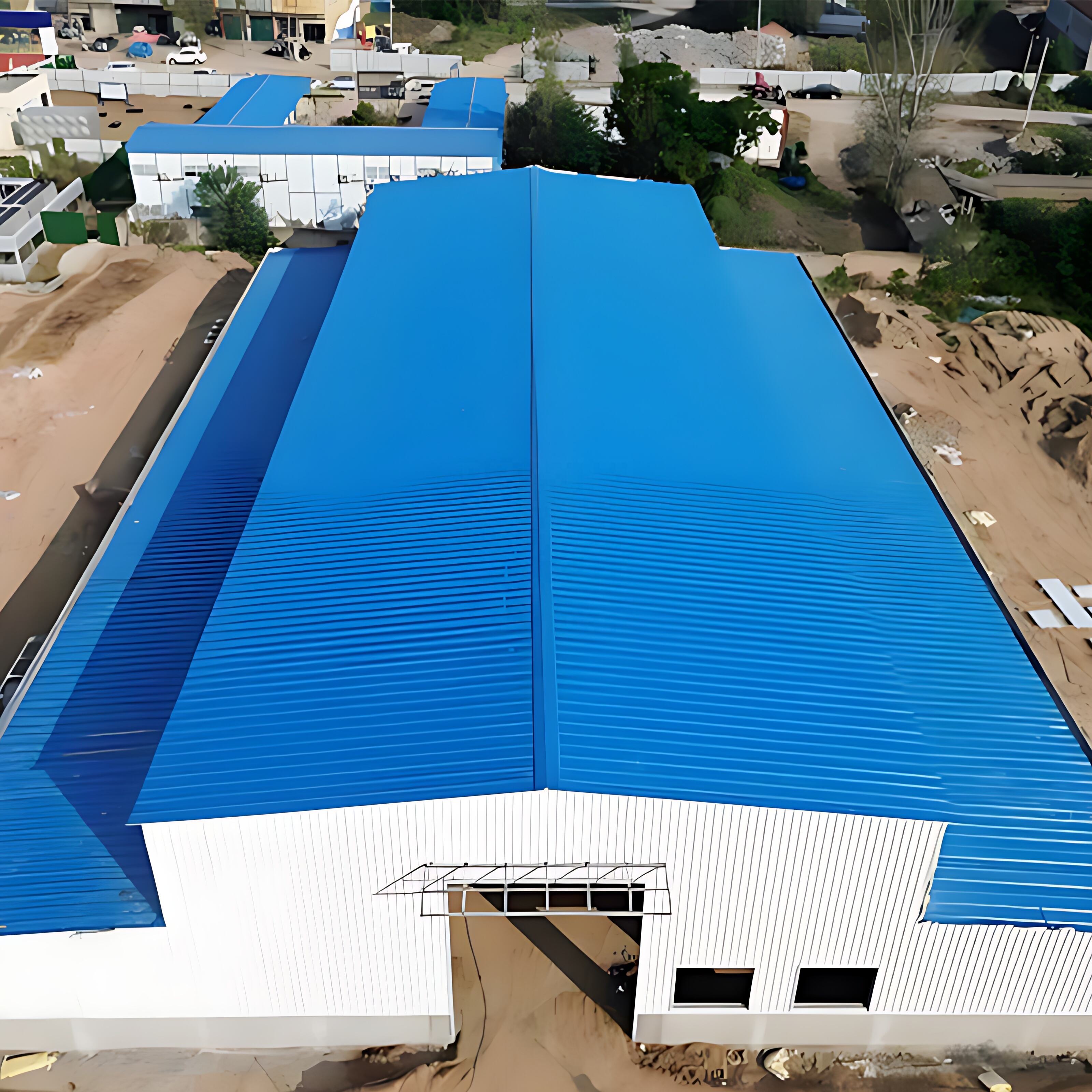
Modern industrial facilities require robust, efficient, and cost-effective building solutions that can withstand demanding operational conditions. A steel structure workshop represents the pinnacle of industrial construction technology, offering unmatched durability and versatility for manufacturing environments. These engineered buildings have revolutionized how factories approach their infrastructure needs, providing solutions that traditional construction methods simply cannot match. The growing adoption of steel structure workshop designs across various industries demonstrates their superior performance in supporting complex manufacturing operations while maintaining operational efficiency and safety standards.

Structural Advantages of Steel Framework Systems
Superior Load-Bearing Capabilities
The inherent strength of steel makes every steel structure workshop capable of supporting substantial loads that would challenge conventional building materials. High-grade structural steel can bear significantly more weight per square foot than wood or concrete alternatives, making it ideal for factories that house heavy machinery and equipment. This exceptional load-bearing capacity allows manufacturers to install overhead cranes, conveyor systems, and multi-level production equipment without compromising structural integrity. The uniform strength distribution throughout the steel framework ensures that weight loads are effectively transferred to the foundation, preventing structural failure and maintaining operational safety.
Steel framework systems also demonstrate remarkable resistance to environmental stresses including wind loads, seismic activity, and thermal expansion. The flexibility of steel allows the structure to absorb and distribute dynamic forces without permanent deformation, protecting valuable manufacturing equipment and ensuring continuous production capabilities. This structural resilience translates directly into reduced maintenance costs and extended building lifespan, making steel structure workshop investments highly cost-effective over time.
Design Flexibility and Clear Span Capabilities
One of the most significant advantages of a steel structure workshop is its ability to create vast open spaces without intermediate support columns. Clear span capabilities of up to 150 feet or more allow manufacturers to optimize their floor plans without structural constraints limiting equipment placement or workflow design. This open-floor concept facilitates efficient material handling, streamlined production lines, and easy reconfiguration of manufacturing layouts as business needs evolve.
The modular nature of steel construction enables easy expansion and modification of existing facilities. Additional bays can be seamlessly integrated into the original steel structure workshop design, allowing businesses to scale their operations without requiring complete reconstruction. This adaptability is particularly valuable for growing manufacturers who need to respond quickly to market demands and production capacity requirements.
Economic Benefits and Cost Efficiency
Reduced Construction Timeline
Steel structure workshop construction typically requires significantly less time compared to traditional building methods, allowing manufacturers to begin operations sooner and start generating revenue faster. Pre-engineered steel components are manufactured off-site under controlled conditions, ensuring consistent quality while construction teams prepare the foundation and site infrastructure. This parallel construction approach can reduce overall project timelines by 30-50%, translating into substantial cost savings and earlier return on investment.
The standardized connection methods and precise manufacturing tolerances of steel components minimize field adjustments and rework, further accelerating construction progress. Experienced steel erection crews can typically complete the structural framework of a steel structure workshop in a fraction of the time required for comparable concrete or masonry construction, reducing labor costs and weather-related delays.
Long-term Operational Savings
Beyond initial construction advantages, a steel structure workshop provides ongoing economic benefits through reduced maintenance requirements and energy efficiency improvements. Steel structures require minimal maintenance when properly designed and constructed, with protective coatings providing decades of corrosion resistance. This durability translates into lower lifecycle costs and reduced operational disruptions for maintenance activities.
Energy efficiency improvements in modern steel structure workshop designs can significantly reduce operational costs through improved insulation systems and natural lighting integration. Large spans allow for extensive skylighting systems that reduce artificial lighting requirements during daylight hours, while advanced insulation techniques maintain comfortable working temperatures with minimal energy consumption. These operational savings compound over time, making the total cost of ownership highly competitive with alternative building systems.
Environmental Performance and Sustainability
Recyclability and Environmental Impact
Steel stands as one of the most environmentally sustainable construction materials available, with recycling rates exceeding 90% for structural steel applications. Every steel structure workshop built today incorporates significant recycled content, typically 25% or more, reducing the environmental impact of new construction projects. At the end of the building's service life, virtually all steel components can be recycled into new products, creating a truly circular construction economy.
The manufacturing efficiency of modern steel production has dramatically reduced the carbon footprint associated with steel structure workshop construction. Energy-efficient steel mills and improved production techniques have lowered embodied energy levels while maintaining the superior performance characteristics that make steel ideal for industrial applications. This environmental responsibility aligns with corporate sustainability goals and green building certification requirements increasingly important to modern manufacturers.
Energy Efficiency and Green Building Integration
Modern steel structure workshop designs integrate seamlessly with green building technologies including solar panel installations, rainwater harvesting systems, and advanced HVAC integration. The structural strength of steel frameworks easily supports rooftop solar arrays without requiring additional structural reinforcement, enabling manufacturers to reduce their energy costs and environmental impact simultaneously. The large roof areas typical of industrial facilities provide excellent opportunities for renewable energy generation.
Advanced insulation systems designed specifically for steel structure workshop applications can achieve exceptional thermal performance, reducing heating and cooling costs while maintaining comfortable working conditions year-round. Reflective roof systems and strategic ventilation design further enhance energy efficiency, contributing to LEED certification and other green building standards.
Safety and Compliance Advantages
Fire Resistance and Safety Features
While steel requires fire protection in most applications, properly designed steel structure workshop buildings can achieve excellent fire resistance ratings through modern fireproofing techniques. Intumescent coatings and spray-applied fireproofing materials provide the necessary protection while maintaining the structural advantages of steel construction. These fire protection systems are well-established and cost-effective, ensuring compliance with building codes and insurance requirements.
The non-combustible nature of steel eliminates concerns about structural materials contributing to fire propagation, providing additional safety margins compared to wood-frame construction. Emergency egress design is simplified in steel structure workshop buildings due to the large open spaces and minimal structural obstructions, facilitating safe evacuation procedures and emergency response access.
Seismic Performance and Natural Disaster Resistance
Steel structure workshop buildings demonstrate superior performance in seismic zones due to steel's inherent ductility and energy absorption characteristics. The ability of steel to deform elastically under stress allows the structure to absorb seismic energy without catastrophic failure, protecting occupants and valuable manufacturing equipment. This seismic resistance is particularly important for factories housing sensitive machinery or hazardous materials.
Wind resistance capabilities of steel structures exceed those of most alternative building systems, providing confidence in areas prone to severe weather events. The engineered connections and continuous load paths in steel structure workshop designs ensure that wind forces are effectively transferred to the foundation system, preventing structural damage that could halt production operations.
FAQ
How long does a typical steel structure workshop last
A properly designed and maintained steel structure workshop can last 50-100 years or more, depending on environmental conditions and usage patterns. Regular maintenance of protective coatings and proper drainage systems can extend the service life significantly. The durability of steel construction makes it one of the most cost-effective long-term building solutions available for industrial applications.
What maintenance is required for steel structure workshops
Maintenance requirements for steel structure workshop buildings are minimal compared to other construction types. Primary maintenance activities include periodic inspection and touch-up of protective coatings, ensuring proper drainage around the foundation, and maintaining mechanical systems. Most structural steel components require no maintenance beyond periodic inspection when properly designed and protected from corrosion.
Can steel structure workshops be expanded easily
Yes, steel structure workshop buildings are highly adaptable and can be expanded efficiently through the addition of new bays or sections. The modular nature of steel construction allows seamless integration of new sections with existing structures. This expandability makes steel workshops ideal for growing businesses that need to scale their operations over time without major reconstruction projects.
Are steel structure workshops energy efficient
Modern steel structure workshop designs can achieve excellent energy efficiency through advanced insulation systems, natural lighting integration, and efficient HVAC design. The thermal bridging inherent in steel construction can be effectively addressed through proper insulation techniques, resulting in energy performance that meets or exceeds current building codes and green building standards.