EN
EN
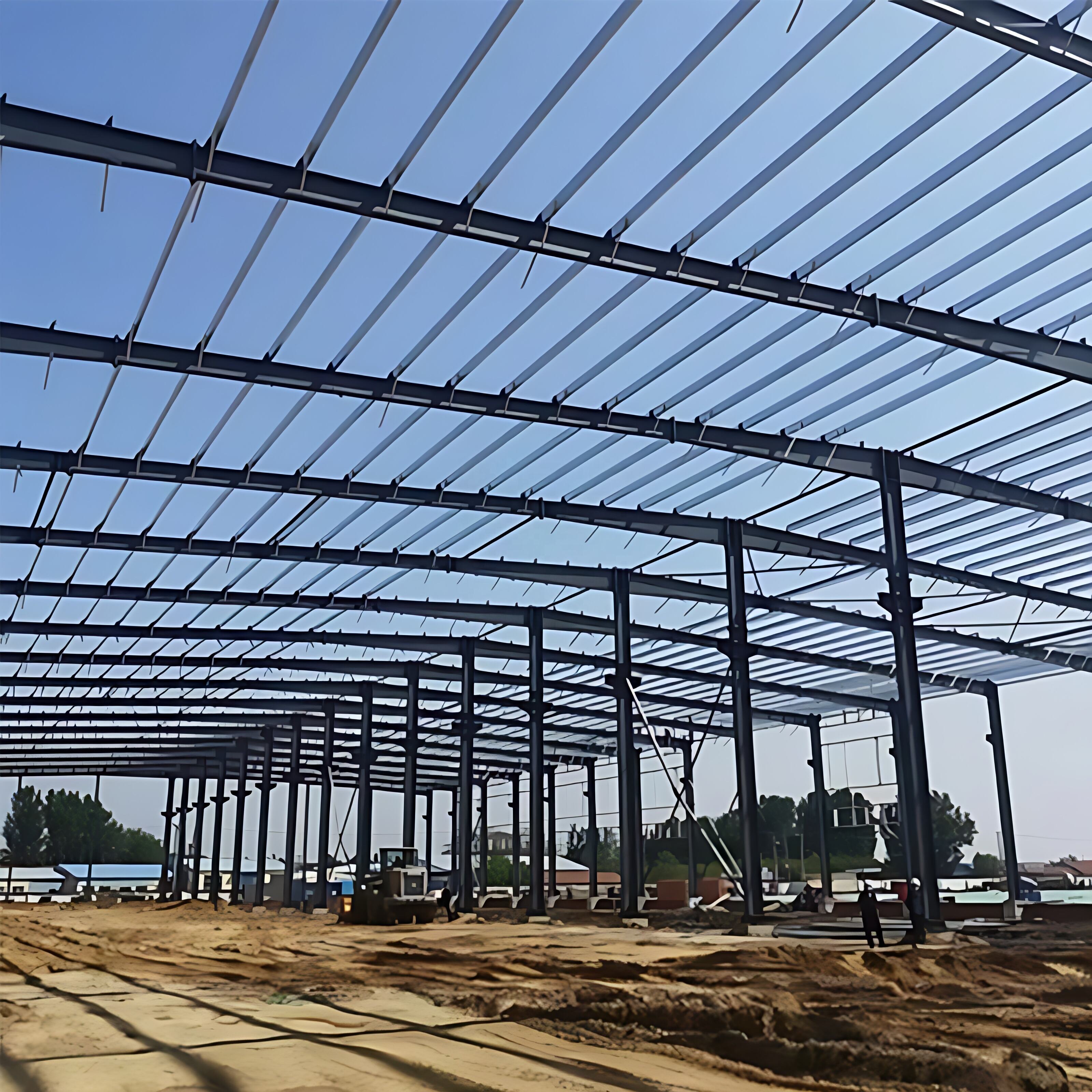
Designing a functional steel structure workshop requires careful consideration of operational needs, structural integrity, and long-term efficiency. A well-designed steel structure workshop serves as the backbone of manufacturing operations, providing the necessary space and infrastructure to support complex industrial processes while ensuring safety and productivity for workers and equipment.

The design process for a steel structure workshop involves multiple phases, from initial planning and structural analysis to detailed engineering and construction specifications. Understanding the fundamental principles of workshop design enables businesses to create facilities that optimize workflow, accommodate future expansion, and meet stringent safety and environmental standards while maximizing the inherent advantages of steel construction.
Essential Planning Considerations for Steel Structure Workshop Design
Operational Requirements Assessment
The foundation of any successful steel structure workshop design begins with a comprehensive assessment of operational requirements. This evaluation must consider the specific manufacturing processes, equipment dimensions, material handling systems, and workflow patterns that will define daily operations. The assessment should identify critical factors such as required ceiling heights for overhead cranes, floor load capacities for heavy machinery, and spatial relationships between different production areas.
Manufacturing processes directly influence the structural design of a steel structure workshop. For example, operations involving heavy machinery require reinforced foundation systems and increased structural support, while precision manufacturing may demand controlled environmental conditions and specialized ventilation systems. The assessment phase should also account for future expansion possibilities, ensuring the initial design can accommodate growth without requiring major structural modifications.
Safety considerations play a crucial role in operational planning for any steel structure workshop. The design must incorporate adequate egress routes, emergency systems, and fire protection measures that comply with local building codes and industry standards. Additionally, the layout should facilitate safe material handling, minimize cross-traffic between personnel and equipment, and provide clear sightlines for supervision and security.
Site Analysis and Environmental Factors
Site conditions significantly impact the design approach for a steel structure workshop. Soil bearing capacity, drainage patterns, prevailing winds, and seismic considerations all influence structural design decisions. A thorough geotechnical investigation provides essential data for foundation design, while environmental studies identify potential constraints related to wetlands, endangered species, or historical preservation requirements.
Climate considerations affect both the structural design and operational systems of a steel structure workshop. Regions with extreme temperature variations require thermal expansion joints and specialized insulation systems. Areas prone to severe weather events need enhanced wind resistance and impact protection. The local climate also influences HVAC system design, natural lighting strategies, and material selection for exterior cladding and roofing systems.
Utility availability and infrastructure requirements must be evaluated during the site analysis phase. The steel structure workshop design should optimize connections to electrical, water, sewer, and telecommunications services while minimizing utility run distances and associated costs. Industrial facilities often require specialized utilities such as compressed air, process water, or high-voltage electrical service that may necessitate additional infrastructure investments.
Structural Design Principles and Engineering Specifications
Load Analysis and Structural Calculations
Proper load analysis forms the core of steel structure workshop engineering. Dead loads include the weight of the structure itself, permanent equipment, and building systems. Live loads encompass occupancy loads, moveable equipment, and operational materials. Environmental loads such as wind, snow, and seismic forces must be calculated according to applicable building codes and local conditions. The combination of these loads determines the required strength and stiffness of structural members.
Steel frame design for a steel structure workshop typically employs either rigid frame or braced frame systems. Rigid frame construction provides large clear spans and architectural flexibility but requires more complex connections and analysis. Braced frame systems offer economic advantages and simpler connections but may limit interior layout options. The choice between these systems depends on span requirements, architectural preferences, and economic considerations.
Connection design represents a critical aspect of steel structure workshop engineering. Bolted connections offer field adjustability and ease of erection, while welded connections provide superior strength and stiffness. The connection design must consider not only static loads but also dynamic forces from operating equipment, thermal movements, and potential seismic activity. Proper detailing ensures reliable load transfer and long-term structural performance.
Material Selection and Specification
Steel grade selection significantly impacts the performance and cost of a steel structure workshop. Higher strength steels allow for lighter sections and reduced material costs but may require special welding procedures or heat treatment. Corrosion resistance becomes particularly important in environments with high humidity, chemical exposure, or aggressive atmospheric conditions. The specification should balance structural requirements, durability expectations, and economic constraints.
Secondary structural systems including purlins, girts, and bracing members must be carefully coordinated with the primary frame design. These elements provide stability to the main structure while supporting cladding and roofing systems. Proper specification ensures adequate load transfer and prevents local buckling or instability issues that could compromise the overall structural integrity of the steel structure workshop.
Fire protection requirements may necessitate specialized coatings, intumescent paints, or encasement systems for critical structural members. The fire protection strategy should consider occupancy classification, sprinkler system coverage, and evacuation requirements. Early coordination between structural and fire protection engineers ensures cost-effective solutions that meet safety requirements without unnecessary complexity or expense.
Architectural Integration and Functional Layout Design
Space Planning and Workflow Optimization
Effective space planning maximizes the functional capacity of a steel structure workshop while supporting efficient operational workflows. The layout should minimize material handling distances, reduce bottlenecks in production processes, and provide flexibility for changing operational requirements. Clear identification of production zones, storage areas, maintenance spaces, and administrative functions enables rational space allocation and efficient traffic patterns.
Column placement significantly affects the usability of interior space in a steel structure workshop. While structural efficiency may favor regular column spacing, operational requirements often dictate irregular layouts to accommodate large equipment or specialized work areas. The design process must balance structural economy with functional flexibility, often requiring iterative coordination between structural and operational planning teams.
Ceiling height requirements vary throughout different areas of a typical steel structure workshop. Production areas may require substantial height for overhead cranes or tall equipment, while office and support spaces can utilize standard ceiling heights. The structural design should accommodate these varying requirements while maintaining overall architectural coherence and structural efficiency.
Building Systems Integration
Mechanical, electrical, and plumbing systems must be carefully integrated with the structural framework of a steel structure workshop. Early coordination prevents conflicts between structural members and building systems while optimizing space utilization and maintenance access. The structural design should incorporate provisions for major system runs, equipment supports, and future modifications or expansions.
Natural lighting strategies can significantly impact both energy costs and worker productivity in a steel structure workshop. Skylights, clerestory windows, and translucent wall panels provide daylight while reducing artificial lighting requirements. However, these elements must be properly integrated with the structural system to maintain weather resistance, thermal performance, and structural integrity.
Ventilation requirements for industrial operations often necessitate large roof-mounted equipment or specialized exhaust systems. The steel structure workshop design must provide adequate structural support for these systems while maintaining proper load paths and avoiding interference with other building systems. Coordination with mechanical engineers ensures that structural provisions meet both current needs and potential future requirements.
Construction Methods and Implementation Strategies
Erection Planning and Sequencing
Construction sequencing significantly impacts both project cost and schedule for a steel structure workshop. The erection plan should consider site access, crane capacity, material delivery schedules, and weather constraints. Proper planning minimizes temporary bracing requirements, reduces crane moves, and maximizes construction efficiency while maintaining safety throughout the erection process.
Foundation construction typically precedes structural steel erection in a steel structure workshop project. Anchor bolt placement requires precise coordination with structural drawings to ensure proper alignment and load transfer. Quality control during foundation construction prevents costly delays and modifications during the steel erection phase. The foundation design should also consider long-term settlement and provide adequate support for operational loads.
Material handling and storage on construction sites require careful planning to prevent damage and ensure efficient installation. Steel members should be stored and handled according to manufacturer recommendations to prevent distortion or surface damage. Proper material management reduces waste, minimizes rework, and supports the overall construction schedule for the steel structure workshop.
Quality Control and Inspection Procedures
Quality control procedures ensure that the constructed steel structure workshop meets design specifications and performance requirements. Inspection protocols should cover material verification, dimensional accuracy, connection integrity, and protective coating application. Regular inspections during construction identify potential issues before they become costly problems and ensure compliance with applicable codes and standards.
Welding quality control represents a critical aspect of steel structure workshop construction. Qualified welders, proper procedures, and appropriate inspection methods ensure reliable connections that will perform as intended throughout the building's service life. Non-destructive testing methods such as ultrasonic or radiographic inspection may be required for critical connections or high-stress applications.
Documentation and record-keeping throughout construction provide valuable information for future maintenance, modifications, or expansions of the steel structure workshop. As-built drawings, material certifications, inspection reports, and warranty information should be compiled and delivered to the owner upon project completion. This documentation supports effective facility management and helps ensure long-term structural performance.
FAQ
What are the key factors that determine the structural design of a steel structure workshop?
The structural design of a steel structure workshop depends on operational loads including equipment weights and dynamic forces, environmental conditions such as wind and seismic loads, required clear spans for unobstructed work areas, ceiling height requirements for equipment and material handling, and future expansion possibilities. Additionally, local building codes, soil conditions, and budget constraints significantly influence design decisions and material specifications.
How do I determine the appropriate column spacing for my steel structure workshop?
Column spacing for a steel structure workshop should balance structural efficiency with operational flexibility. Typical spacing ranges from 20 to 40 feet depending on load requirements and clear span needs. Consider the size and movement patterns of equipment, material handling systems, and production workflows. Wider spacing provides greater flexibility but increases structural costs, while closer spacing may interfere with operations but reduces material requirements and overall construction costs.
What building codes and standards apply to steel structure workshop design?
Steel structure workshop design must comply with local building codes, which typically reference national standards such as the International Building Code (IBC) for general construction requirements, AISC specifications for structural steel design, ASCE standards for load calculations, and OSHA regulations for workplace safety. Additionally, specific industry standards may apply depending on the intended use, such as fire codes for hazardous materials or environmental regulations for certain manufacturing processes.
How can I ensure my steel structure workshop design accommodates future expansion?
Design flexibility for future expansion requires careful planning of the initial steel structure workshop layout and structural system. Consider designing the main structural frame to accommodate additional bays, specify foundations that can support expanded loads, plan utility systems with adequate capacity for growth, and maintain clear expansion zones around the perimeter. Additionally, select connection details and structural systems that facilitate future modifications without compromising the existing structure's integrity.
Table of Contents
- Essential Planning Considerations for Steel Structure Workshop Design
- Structural Design Principles and Engineering Specifications
- Architectural Integration and Functional Layout Design
- Construction Methods and Implementation Strategies
-
FAQ
- What are the key factors that determine the structural design of a steel structure workshop?
- How do I determine the appropriate column spacing for my steel structure workshop?
- What building codes and standards apply to steel structure workshop design?
- How can I ensure my steel structure workshop design accommodates future expansion?