EN
EN
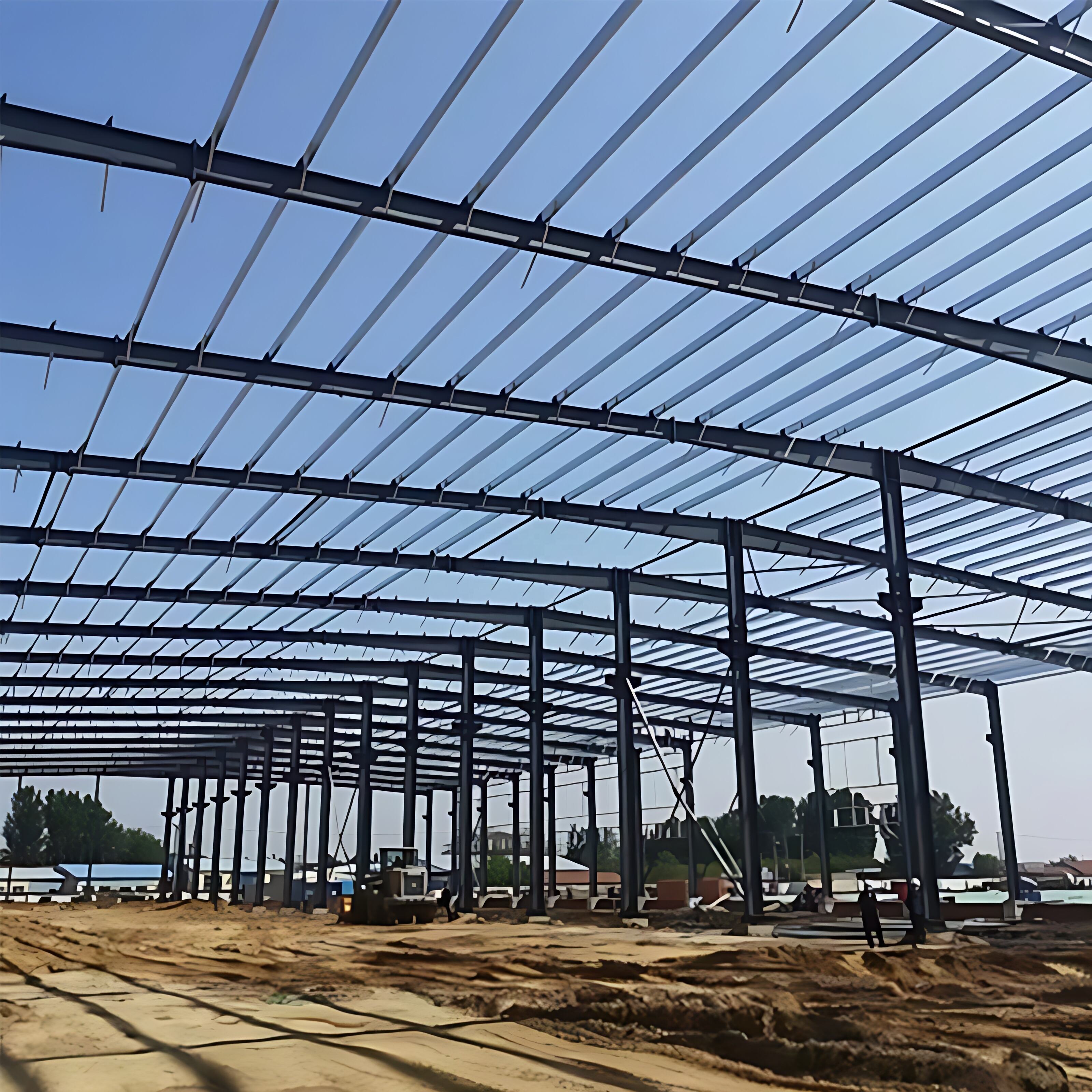
Modern construction practices have evolved dramatically, with prefabricated steel buildings emerging as one of the most efficient and cost-effective solutions for industrial, commercial, and residential applications. These innovative structures combine advanced engineering principles with streamlined manufacturing processes to deliver exceptional performance across diverse project requirements. The growing adoption of steel prefabrication techniques reflects a fundamental shift toward more sustainable, reliable, and economically viable construction methodologies that address contemporary challenges in the building industry.

The transformation of traditional construction approaches through steel prefabrication represents a significant advancement in building technology. Manufacturers now utilize sophisticated computer-aided design systems and precision manufacturing equipment to create structural components that meet exacting specifications. This controlled production environment ensures consistent quality while reducing material waste and minimizing environmental impact. The integration of prefabricated steel buildings into various sectors demonstrates their versatility and adaptability to different functional requirements.
Economic Advantages and Cost Efficiency
Initial Investment Considerations
The financial benefits of choosing prefabricated steel buildings become apparent from the earliest stages of project planning. Initial material costs often prove more predictable and controlled compared to traditional construction methods, as steel pricing remains relatively stable and manufacturing processes minimize material waste. Factory production environments enable bulk purchasing agreements and streamlined supply chain management, resulting in significant cost savings that translate directly to project budgets.
Labor requirements for prefabricated steel buildings typically decrease substantially due to standardized assembly procedures and reduced on-site construction time. Skilled workers can complete installation tasks more efficiently when working with precisely manufactured components that fit together seamlessly. This efficiency reduces overall project timelines and associated labor costs while maintaining high quality standards throughout the construction process.
Long-Term Financial Performance
Operational expenses for prefabricated steel buildings remain consistently lower than conventional structures due to superior energy efficiency and reduced maintenance requirements. Steel's inherent thermal properties, combined with modern insulation systems, create building envelopes that minimize heating and cooling costs throughout the structure's operational life. These energy savings accumulate significantly over time, contributing to improved return on investment calculations.
Maintenance schedules for steel structures typically extend longer intervals between required interventions, as properly treated steel components resist corrosion and structural degradation effectively. Insurance premiums often reflect the superior fire resistance and structural integrity of steel buildings, providing additional long-term financial benefits. The durability characteristics of steel construction contribute to extended building lifespans, maximizing the value of initial investments over decades of reliable service.
Construction Speed and Project Efficiency
Manufacturing and Assembly Advantages
Factory production of steel building components occurs simultaneously with site preparation activities, creating parallel workflows that dramatically reduce total project completion times. Manufacturing environments provide optimal conditions for welding, cutting, and finishing operations, ensuring consistent quality while weather conditions cannot interrupt production schedules. This controlled environment enables year-round manufacturing capabilities that support accelerated project delivery timelines.
Transportation logistics for prefabricated steel buildings benefit from standardized component dimensions and efficient packaging systems that optimize shipping capacity. Components arrive at construction sites ready for immediate assembly, eliminating time-consuming fabrication activities that traditionally occur on-site. Assembly crews can begin installation immediately upon delivery, utilizing pre-drilled holes and standardized connection methods that streamline the construction process significantly.
Weather Independence and Scheduling Reliability
Steel assembly operations prove less susceptible to weather delays compared to concrete pouring or masonry work, as structural connections can proceed safely under various environmental conditions. This weather independence enables more reliable project scheduling and reduces the risk of costly delays that commonly affect traditional construction projects. Project managers can maintain more predictable timelines and resource allocation schedules when utilizing prefabricated steel building systems.
Site preparation requirements for steel buildings typically involve simpler foundation designs and reduced excavation work, further contributing to accelerated project schedules. The lighter weight of steel structures often permits foundation systems that require less concrete and reinforcement materials. These simplified foundation requirements reduce both material costs and construction time while maintaining structural performance standards appropriate for intended building applications.
Structural Performance and Engineering Excellence
Load-Bearing Capabilities and Design Flexibility
Steel's exceptional strength-to-weight ratio enables prefabricated steel buildings to achieve impressive span capabilities without requiring intermediate support columns, creating flexible interior spaces that adapt to various functional requirements. Engineers can design clear-span structures exceeding 100 feet in width while maintaining structural integrity and code compliance. This design freedom allows architects to create open floor plans that optimize space utilization and accommodate future layout modifications.
Seismic performance characteristics of steel structures provide superior earthquake resistance through ductile behavior that allows controlled deformation without catastrophic failure. Steel's ability to flex and return to original positions under dynamic loading conditions makes these buildings particularly suitable for regions with seismic activity. Advanced connection details and base isolation systems further enhance earthquake resistance, protecting occupants and preserving structural integrity during seismic events.
Wind Resistance and Environmental Durability
Aerodynamic design principles integrated into prefabricated steel buildings create structures capable of withstanding extreme wind loads, including hurricane-force conditions in coastal regions. Steel framing systems distribute wind forces effectively throughout the structural system, preventing localized stress concentrations that could compromise building integrity. Computer modeling of wind flow patterns enables engineers to optimize building shapes and structural details for superior wind resistance performance.
Corrosion protection systems for modern steel buildings incorporate advanced coating technologies and galvanization processes that provide decades of reliable service in challenging environmental conditions. Proper surface preparation and application of protective coatings create barrier systems that prevent moisture and chemical exposure from reaching base steel materials. Regular inspection and maintenance protocols ensure continued protection throughout the building's service life, maintaining structural performance and aesthetic appearance.
Environmental Sustainability and Green Building Benefits
Material Efficiency and Waste Reduction
Steel production and fabrication processes generate minimal waste materials, as cutting and forming operations utilize computer-controlled equipment that optimizes material usage and reduces scrap generation. Factory environments enable comprehensive recycling programs that capture and reprocess any waste materials generated during manufacturing operations. This efficient material utilization contributes to reduced environmental impact and supports sustainable construction practices across the industry.
Recyclability represents one of steel's most significant environmental advantages, as structural steel components retain their material properties through multiple recycling cycles without degradation. End-of-life buildings can be disassembled and steel components recycled into new products, creating closed-loop material cycles that minimize resource consumption. This recyclability factor contributes to Leadership in Energy and Environmental Design credit accumulation and supports corporate sustainability initiatives.
Energy Performance and Carbon Footprint
Thermal bridging mitigation techniques in prefabricated steel buildings utilize advanced insulation systems and thermal breaks that minimize heat transfer through structural elements, improving overall building energy performance. Continuous insulation applications and vapor barrier systems create building envelopes that exceed energy code requirements while maintaining structural integrity. These energy efficiency improvements reduce operational carbon emissions throughout the building's lifecycle.
Manufacturing energy requirements for steel production continue to decrease through technological improvements and increased use of recycled content in new steel products. Electric arc furnace technology enables steel production using primarily recycled materials, significantly reducing energy consumption compared to traditional steel production methods. These manufacturing improvements contribute to reduced embodied energy in prefabricated steel buildings while maintaining performance characteristics.
Versatility and Application Range
Industrial and Commercial Applications
Warehouse and distribution facilities benefit tremendously from prefabricated steel buildings due to requirements for large clear-span spaces, rapid construction schedules, and cost-effective solutions. Steel construction enables efficient material handling systems and flexible storage configurations that adapt to changing operational requirements. The durability and low maintenance characteristics of steel structures provide long-term value for industrial operations that require reliable building performance.
Manufacturing facilities utilize prefabricated steel buildings to create controlled environments suitable for precision manufacturing processes, with structural systems capable of supporting heavy equipment loads and overhead crane systems. Steel's dimensional stability and vibration resistance characteristics support manufacturing operations that require precise tolerances and minimal structural movement. Expansion capabilities built into steel building designs accommodate future production increases and equipment upgrades.
Specialized Facility Requirements
Agricultural applications of prefabricated steel buildings include livestock housing, equipment storage, and crop processing facilities that require durable, cost-effective structures capable of withstanding harsh environmental conditions. Steel's resistance to pest infiltration and chemical exposure makes it particularly suitable for agricultural environments where traditional materials may deteriorate rapidly. Ventilation systems integrate seamlessly with steel framing to provide optimal environmental control for agricultural operations.
Aviation hangar construction relies heavily on prefabricated steel buildings to achieve the massive clear spans required for aircraft storage and maintenance operations. Steel's strength characteristics enable hangar designs that span several hundred feet without intermediate supports, providing unobstructed aircraft movement and maintenance access. Fire resistance properties of steel construction meet stringent aviation facility codes while providing the structural performance required for these demanding applications.
Quality Control and Manufacturing Standards
Factory Production Environment Benefits
Controlled manufacturing environments for prefabricated steel buildings eliminate many variables that can compromise quality in field construction, including weather exposure, inconsistent workforce skills, and material handling issues. Factory production lines utilize specialized equipment and experienced technicians who focus exclusively on steel fabrication, resulting in superior quality control compared to traditional construction methods. Standardized procedures and quality checkpoints throughout the manufacturing process ensure consistent results.
Precision cutting and welding operations in factory settings achieve tolerances that exceed field construction capabilities, creating components that fit together perfectly during assembly operations. Computer-controlled cutting equipment and automated welding systems provide consistency and accuracy that manual field operations cannot match. This precision manufacturing reduces installation time and eliminates fit-up problems that commonly occur with field-fabricated structures.
Testing and Certification Protocols
Comprehensive testing programs for prefabricated steel buildings verify structural performance, connection strength, and material properties before components leave manufacturing facilities. Non-destructive testing methods including ultrasonic and magnetic particle inspection identify any potential defects in welds or base materials. These quality assurance measures ensure that delivered components meet or exceed specified performance requirements and building code standards.
Third-party certification programs provide independent verification of manufacturing quality and compliance with industry standards, giving building owners confidence in structural performance and longevity. Certified welders and fabrication procedures ensure consistent quality throughout production runs, while documentation systems maintain complete traceability of materials and processes. These certification protocols support warranty programs and provide legal protection for building owners and contractors.
Frequently Asked Questions
How long do prefabricated steel buildings typically last
Properly designed and maintained prefabricated steel buildings can provide reliable service for 50 to 100 years or more, depending on environmental conditions and usage patterns. Regular maintenance of protective coatings and structural inspections ensure optimal performance throughout the building's service life. Steel's inherent durability and resistance to many forms of degradation contribute to exceptional longevity compared to other construction materials.
Are prefabricated steel buildings suitable for extreme weather conditions
Yes, prefabricated steel buildings excel in extreme weather environments when properly designed and engineered for specific climatic conditions. Steel structures can be designed to withstand hurricane-force winds, heavy snow loads, seismic activity, and temperature extremes. Advanced protective coatings and proper drainage systems ensure continued performance even in highly corrosive coastal or industrial environments.
What are the insulation options for steel buildings
Modern prefabricated steel buildings accommodate various insulation systems including fiberglass blankets, rigid foam boards, spray foam applications, and reflective insulation products. Thermal bridging mitigation techniques and continuous insulation systems maximize energy efficiency while maintaining structural performance. Insulation selection depends on climate zone, intended use, and specific performance requirements for the building application.
Can prefabricated steel buildings be expanded or modified later
Steel building systems provide excellent expandability through modular design approaches that accommodate future additions and modifications. Structural connections can be designed to facilitate expansion, while standardized components enable seamless integration of new sections with existing structures. Planning for future expansion during initial design phases optimizes the building's adaptability to changing operational requirements over time.