EN
EN
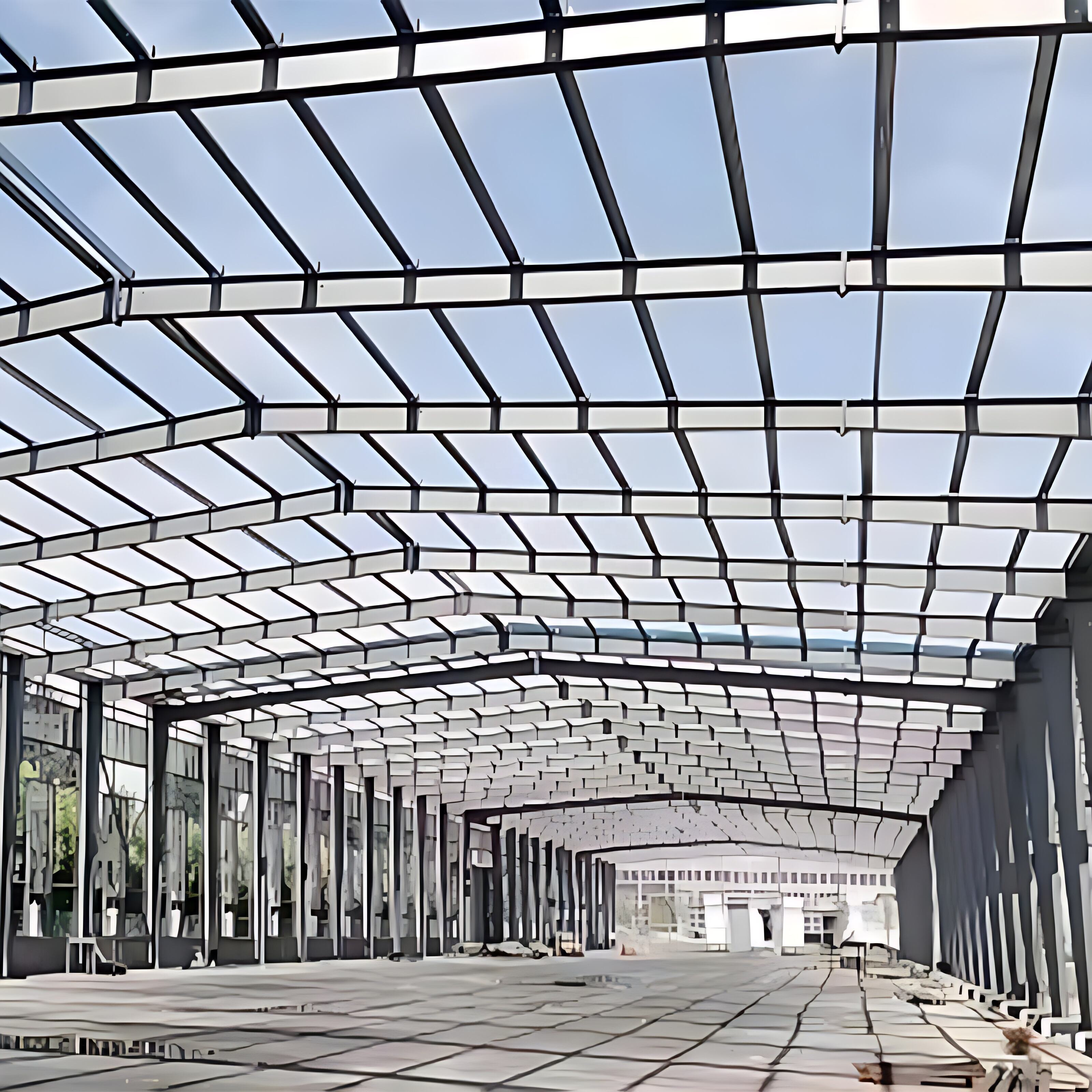
Steel structure warehouses have become the backbone of modern industrial storage and logistics operations worldwide. These robust buildings offer exceptional strength, durability, and versatility that traditional construction methods simply cannot match. Understanding the load capacities of steel structure warehouses is crucial for architects, engineers, and business owners who need to make informed decisions about their storage and operational requirements. The load-bearing capabilities of these structures directly impact their functionality, safety standards, and long-term performance in demanding industrial environments.
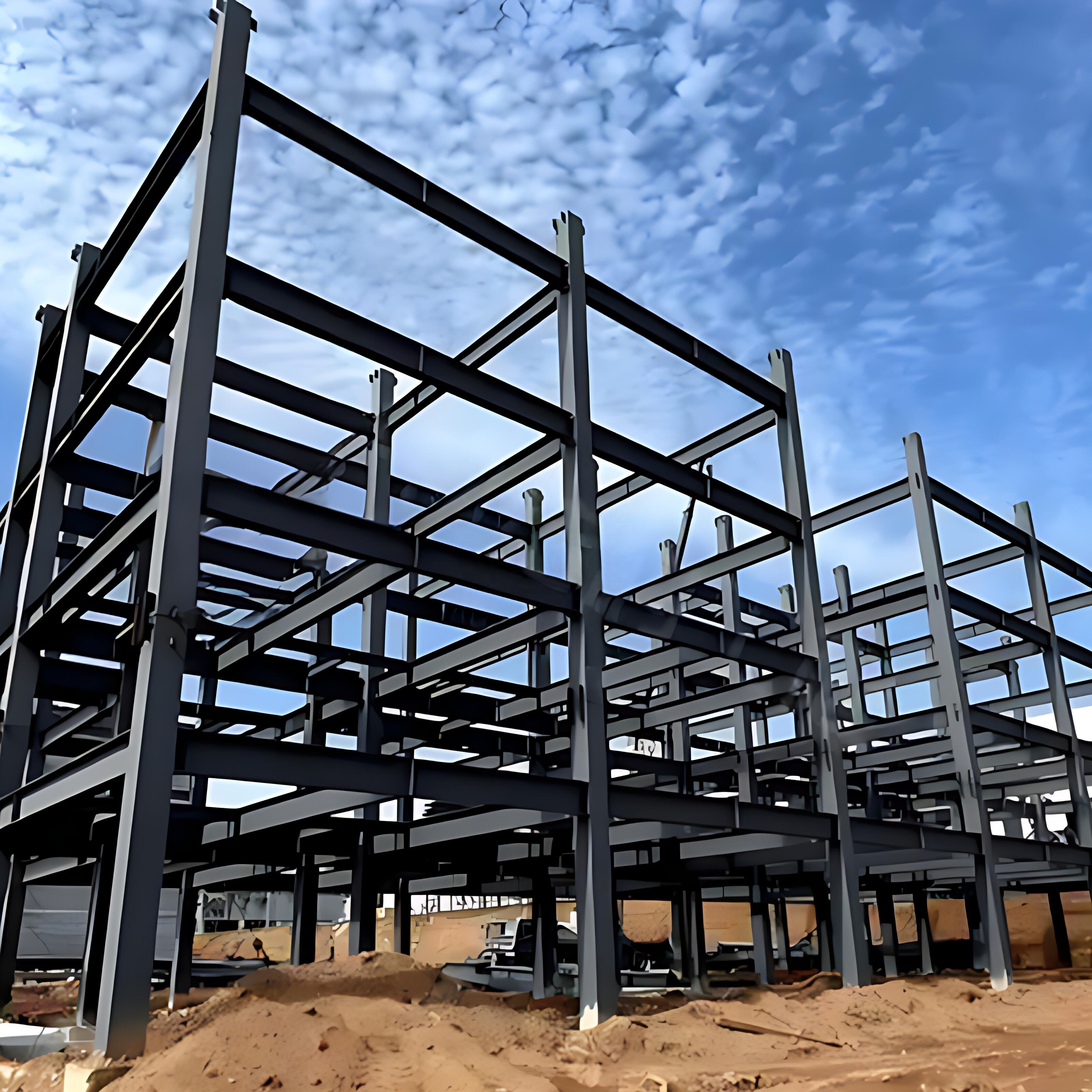
The engineering principles behind steel structure warehouses enable them to support substantial loads while maintaining structural integrity over decades of use. Modern steel fabrication techniques and advanced design methodologies have revolutionized how these buildings handle various types of loading conditions. From heavy machinery installations to high-density storage systems, steel structure warehouses can accommodate diverse operational demands that would challenge conventional building materials.
Load capacity considerations extend beyond simple weight calculations to encompass dynamic forces, environmental factors, and safety margins that ensure reliable performance. The sophisticated engineering behind these structures involves careful analysis of dead loads, live loads, wind forces, seismic activities, and snow accumulation patterns. This comprehensive approach to load management makes steel structure warehouses ideal for industries requiring maximum storage efficiency and operational flexibility.
Fundamental Load Types in Steel Structure Design
Dead Load Calculations and Structural Components
Dead loads represent the permanent weight of the building structure itself, including steel beams, columns, roofing materials, wall panels, and fixed equipment. In steel structure warehouses, dead loads are typically lighter compared to concrete alternatives, allowing for more efficient use of structural capacity for operational purposes. The self-weight of steel components is predictable and consistent, enabling precise engineering calculations that optimize material usage while maintaining safety standards.
Steel frame systems distribute dead loads through carefully designed connection points and load paths that transfer forces efficiently to the foundation system. The inherent strength-to-weight ratio of structural steel allows engineers to create expansive clear spans with minimal intermediate support columns. This characteristic significantly enhances the usable floor space within steel structure warehouses while maintaining excellent load-bearing performance throughout the building envelope.
Advanced computer modeling techniques enable engineers to analyze dead load distribution patterns with remarkable precision, ensuring optimal placement of structural elements. The modular nature of steel construction allows for standardized connection details and predictable load transfer mechanisms that simplify both design and construction processes. This systematic approach to dead load management contributes to the overall efficiency and reliability of steel structure warehouses in various industrial applications.
Live Load Requirements and Dynamic Loading
Live loads encompass all temporary and variable loads that steel structure warehouses must accommodate during normal operations. These include stored materials, equipment, personnel, and operational machinery that create changing load patterns throughout the building lifecycle. The flexibility of steel construction allows for easy adaptation to evolving live load requirements as business operations expand or change focus over time.
Dynamic loading conditions present unique challenges that steel structure warehouses handle exceptionally well through their inherent flexibility and energy absorption capabilities. Moving equipment, forklift operations, and material handling systems create varying load patterns that require careful consideration during the design phase. Steel's elastic properties allow these structures to accommodate dynamic forces while returning to their original configuration without permanent deformation.
The design of live load capacity in steel structure warehouses involves comprehensive analysis of operational requirements and safety factors that account for unexpected loading scenarios. Industry-specific loading standards provide guidelines for different warehouse applications, from lightweight storage facilities to heavy industrial operations. This standardized approach ensures that steel structure warehouses meet or exceed the necessary load requirements for their intended use while maintaining cost-effectiveness and construction efficiency.
Structural Steel Components and Load Distribution
Primary Frame Systems and Load Paths
The primary frame system of steel structure warehouses consists of columns, beams, and bracing elements that work together to create a unified load-bearing network. Hot-rolled steel sections provide exceptional strength characteristics that enable these buildings to support substantial loads across large open areas. The rigid frame design commonly used in warehouse construction creates efficient load distribution patterns that minimize material requirements while maximizing structural performance.
Load path continuity ensures that forces from roofing systems, wall panels, and operational loads are transferred smoothly through the structural framework to the foundation system. Steel connections utilizing high-strength bolts and welded joints create reliable force transfer points that maintain structural integrity under various loading conditions. The redundancy built into properly designed steel frame systems provides multiple load paths that enhance overall building safety and performance reliability.
Moment-resisting frames and braced frame systems offer different approaches to load distribution in steel structure warehouses, each with specific advantages depending on operational requirements. The selection of appropriate framing systems depends on factors such as clear span requirements, load magnitudes, and local building code requirements. This flexibility in structural approach allows engineers to optimize designs for specific warehouse applications while maintaining cost-effectiveness and construction efficiency.
Foundation Interface and Load Transfer
The foundation system serves as the critical interface between steel structure warehouses and the supporting soil or rock formations. Properly designed foundation elements must accommodate all structural loads while providing adequate bearing capacity and stability against overturning forces. The concentrated loads typical of steel column construction require careful foundation design to ensure even load distribution and prevent differential settlement issues.
Anchor bolt systems and base plate connections create the vital link between steel superstructure and concrete foundation elements. These connection details must accommodate both compression and tension forces that develop under various loading scenarios, including wind uplift and seismic conditions. The precision required in foundation construction ensures proper alignment and load transfer that maintains structural performance throughout the building lifecycle.
Soil conditions and bearing capacity directly influence foundation design requirements and overall load capacity of steel structure warehouses. Site-specific geotechnical investigations provide essential data for foundation engineering that ensures adequate support for anticipated structural loads. The flexibility of steel construction allows for various foundation approaches, from shallow spread footings to deep foundation systems, depending on local soil conditions and load requirements.
Load Capacity Standards and Building Codes
International Building Code Requirements
Building codes establish minimum load capacity requirements that ensure safe operation of steel structure warehouses under normal and extreme loading conditions. The International Building Code provides comprehensive guidelines for structural design loads, including dead loads, live loads, wind forces, and seismic considerations. These standardized requirements create consistent safety margins that protect occupants and stored materials while enabling efficient structural design approaches.
Load factors and load combinations specified in building codes account for the probability of different loading scenarios occurring simultaneously. Steel structure warehouses must demonstrate adequate capacity to resist factored load combinations that represent extreme but realistic loading conditions. The reliability-based design approach used in modern building codes ensures consistent safety levels while allowing for efficient material utilization in steel construction.
Occupancy classifications and use groups directly impact the required load capacities for steel structure warehouses, with different storage and industrial applications requiring specific loading criteria. Heavy industrial facilities require higher load capacities compared to general storage warehouses, reflecting the increased demands of specialized equipment and materials. These code-based requirements provide clear guidance for engineers while ensuring adequate performance for intended warehouse operations.
Industry-Specific Loading Standards
Different industrial sectors impose unique loading requirements on steel structure warehouses that extend beyond basic building code minimums. Automotive manufacturing facilities, food processing plants, and chemical storage operations each present distinct loading patterns that influence structural design approaches. Industry standards developed by professional organizations provide additional guidance for specialized warehouse applications that require enhanced load capacity or specific performance characteristics.
Equipment-specific loading requirements often govern the design of steel structure warehouses in specialized industrial applications. Overhead crane systems, heavy machinery installations, and automated storage systems create concentrated loads that require careful structural analysis and reinforcement. The adaptability of steel construction enables these buildings to accommodate specialized equipment while maintaining overall structural integrity and operational efficiency.
Safety factors incorporated into industry standards reflect the critical nature of various warehouse operations and the potential consequences of structural failure. Facilities storing hazardous materials or supporting life-safety systems require enhanced load capacities and redundancy measures that exceed standard warehouse requirements. Steel structure warehouses can readily accommodate these enhanced requirements through appropriate material selection and structural configuration adjustments.
Environmental Load Considerations
Wind Load Analysis and Resistance
Wind loads represent a significant design consideration for steel structure warehouses, particularly in regions prone to severe weather events. The large surface areas and height characteristics of warehouse buildings create substantial wind pressure effects that must be carefully analyzed during the structural design process. Steel frame construction provides excellent resistance to wind forces through its inherent strength and flexibility characteristics that allow controlled deflection without structural damage.
Building geometry and orientation significantly influence wind load patterns on steel structure warehouses, with factors such as roof slope, wall height, and surrounding terrain affecting pressure distributions. Advanced computational fluid dynamics modeling enables engineers to predict wind behavior around warehouse buildings with remarkable accuracy. This detailed analysis ensures that steel structure warehouses can safely resist design wind speeds while maintaining operational functionality during severe weather events.
Wind-resistant design features incorporated into steel structure warehouses include properly designed connections, adequate bracing systems, and appropriate cladding attachment methods. The ductility of steel construction allows these buildings to absorb wind energy through controlled deformation that prevents catastrophic failure modes. Regular inspection and maintenance procedures ensure continued wind resistance performance throughout the operational life of steel structure warehouses.
Seismic Load Resistance and Performance
Seismic design requirements for steel structure warehouses depend on geographic location and local seismic hazard levels that determine appropriate design approaches. Steel construction offers inherent advantages in earthquake-resistant design through its ductility and energy absorption characteristics that enable controlled yielding under extreme ground motion. The flexibility of steel frame systems allows these buildings to accommodate seismic forces while maintaining structural integrity and protecting occupants and contents.
Special seismic force-resisting systems provide enhanced earthquake protection for steel structure warehouses in high-seismic regions through carefully detailed connections and member proportioning. Moment-resisting frames, concentrically braced frames, and eccentrically braced frames each offer different approaches to seismic resistance with specific performance characteristics. The selection of appropriate seismic systems depends on building configuration, operational requirements, and local seismic design parameters.
Performance-based seismic design approaches enable engineers to tailor earthquake resistance to specific operational requirements and risk tolerance levels. Steel structure warehouses can be designed to maintain functionality during moderate earthquakes while preventing collapse during maximum credible seismic events. This flexibility in performance objectives allows facility owners to balance construction costs with operational continuity requirements based on business priorities and risk assessment.
Specialized Loading Applications
Heavy Equipment and Machinery Installation
Steel structure warehouses excel in supporting heavy industrial equipment through their ability to accommodate concentrated loads and dynamic forces associated with machinery operation. Manufacturing equipment, processing machinery, and material handling systems often require specialized foundation and structural support systems that integrate seamlessly with steel frame construction. The modular nature of steel construction enables targeted reinforcement in specific areas while maintaining overall structural efficiency.
Vibration control and dynamic isolation become critical considerations when heavy equipment is installed in steel structure warehouses. Properly designed steel frames can incorporate vibration dampening features and isolation systems that prevent machinery-induced forces from affecting overall building performance. The predictable behavior of steel construction under dynamic loading allows engineers to model equipment interactions accurately and design appropriate mitigation measures.
Equipment upgrade flexibility represents a significant advantage of steel structure warehouses in industrial applications where machinery requirements change over time. The open bay construction typical of steel warehouses allows for easy reconfiguration of equipment layouts without major structural modifications. Additional structural capacity can be incorporated during initial construction to accommodate future equipment installations, providing long-term operational flexibility at minimal additional cost.
Automated Storage and Retrieval Systems
Automated storage and retrieval systems impose unique loading patterns on steel structure warehouses through their combination of high-density storage and rapid material movement. These systems require precise structural tolerances and exceptional load capacity to support multi-level storage configurations that maximize warehouse efficiency. Steel construction provides the necessary precision and strength characteristics that enable successful integration of automated storage technologies.
Rack-supported building systems represent an innovative approach where storage equipment and building structure are integrated into a unified system. Steel frame construction adapts readily to this configuration, providing necessary structural support while accommodating the precise tolerances required for automated equipment operation. The interaction between structural and storage systems requires careful coordination during design and construction phases to ensure optimal performance.
Seismic considerations become particularly important in automated storage applications where equipment damage could result in significant operational and financial impacts. Steel structure warehouses can incorporate enhanced seismic protection measures that safeguard both building and equipment during earthquake events. The ductility of steel construction provides controlled response characteristics that protect sensitive automated equipment while maintaining overall structural integrity.
Design Optimization and Load Management
Structural Analysis and Modeling Techniques
Advanced structural analysis software enables engineers to optimize load capacity in steel structure warehouses through sophisticated modeling techniques that account for complex loading scenarios. Three-dimensional finite element analysis provides detailed insight into stress distributions and structural behavior under various load combinations. This comprehensive analysis capability ensures efficient material utilization while maintaining adequate safety margins for all anticipated loading conditions.
Load optimization strategies focus on maximizing useful capacity while minimizing structural weight and construction costs in steel structure warehouses. Parametric design approaches enable rapid evaluation of different structural configurations to identify optimal solutions for specific loading requirements. The standardization possible with steel construction allows for efficient analysis of multiple design alternatives that balance performance and cost considerations.
Performance monitoring systems can be integrated into steel structure warehouses to provide real-time data on structural response and loading conditions. Strain gauges, accelerometers, and displacement sensors enable continuous assessment of structural performance that validates design assumptions and identifies potential issues before they become critical. This monitoring capability provides valuable feedback for future design improvements and ensures continued safe operation throughout the building lifecycle.
Material Selection and Grade Considerations
Steel grade selection significantly impacts the load capacity and performance characteristics of steel structure warehouses through variations in strength, ductility, and cost factors. High-strength steels enable reduced member sizes and enhanced load capacity in critical structural elements while maintaining overall construction efficiency. The availability of various steel grades allows engineers to optimize material selection for specific loading requirements and economic constraints.
Corrosion protection and durability considerations influence material selection in steel structure warehouses operating in challenging environmental conditions. Weather-resistant steels and protective coating systems extend service life while maintaining structural capacity over extended operational periods. The long-term performance of steel structure warehouses depends on appropriate material selection and protection strategies that account for local environmental conditions.
Connection design and detailing practices directly affect the load transfer efficiency and overall capacity of steel structure warehouses. High-strength bolted connections and welded joints each offer specific advantages depending on load magnitudes and construction requirements. Proper connection design ensures that theoretical structural capacity can be fully realized in actual construction while maintaining constructability and cost-effectiveness.
FAQ
What is the typical load capacity range for steel structure warehouses?
Steel structure warehouses typically support floor loads ranging from 125 to 500 pounds per square foot, depending on the specific application and structural configuration. Light storage facilities generally accommodate loads of 125-250 psf, while heavy industrial warehouses can support 300-500 psf or higher. The roof system typically handles loads of 20-40 psf for basic weather loads, with additional capacity for equipment installations. These capacities can be increased through enhanced structural design when specific operational requirements exceed standard loading criteria.
How do environmental factors affect the load capacity of steel structure warehouses?
Environmental factors such as wind, snow, and seismic forces significantly influence the design load capacity of steel structure warehouses by creating additional loading demands beyond operational requirements. Wind loads can exceed 30-50 psf on wall and roof surfaces in high-wind regions, requiring additional structural capacity to resist these forces safely. Snow loads vary by geographic location but can add 20-80 psf to roof loading in northern climates. Seismic design requirements may govern structural proportioning in earthquake-prone areas, affecting overall load distribution and capacity utilization throughout the building framework.
Can steel structure warehouses be modified to increase load capacity after construction?
Steel structure warehouses can often be modified to increase load capacity through strategic reinforcement of existing structural elements or addition of supplementary support systems. Common modification approaches include adding steel reinforcement plates to existing beams, installing additional columns or bracing elements, and upgrading connection details to handle increased loads. However, the feasibility and cost-effectiveness of capacity increases depend on the existing structural configuration and the magnitude of additional capacity required. Professional structural engineering evaluation is essential to determine appropriate modification strategies that maintain safety and code compliance.
How does the clear span requirement affect load capacity in steel structure warehouses?
Clear span requirements directly influence load capacity design in steel structure warehouses through the relationship between span length and structural depth needed to support specified loads. Longer clear spans require deeper structural members or stronger materials to maintain adequate load capacity, which may increase construction costs but provides greater operational flexibility. Typical clear spans of 80-200 feet are achievable in steel warehouse construction while maintaining excellent load capacity for most applications. The optimum balance between clear span and load capacity depends on operational requirements and economic considerations specific to each warehouse project.
Table of Contents
- Fundamental Load Types in Steel Structure Design
- Structural Steel Components and Load Distribution
- Load Capacity Standards and Building Codes
- Environmental Load Considerations
- Specialized Loading Applications
- Design Optimization and Load Management
-
FAQ
- What is the typical load capacity range for steel structure warehouses?
- How do environmental factors affect the load capacity of steel structure warehouses?
- Can steel structure warehouses be modified to increase load capacity after construction?
- How does the clear span requirement affect load capacity in steel structure warehouses?