
 EN
EN
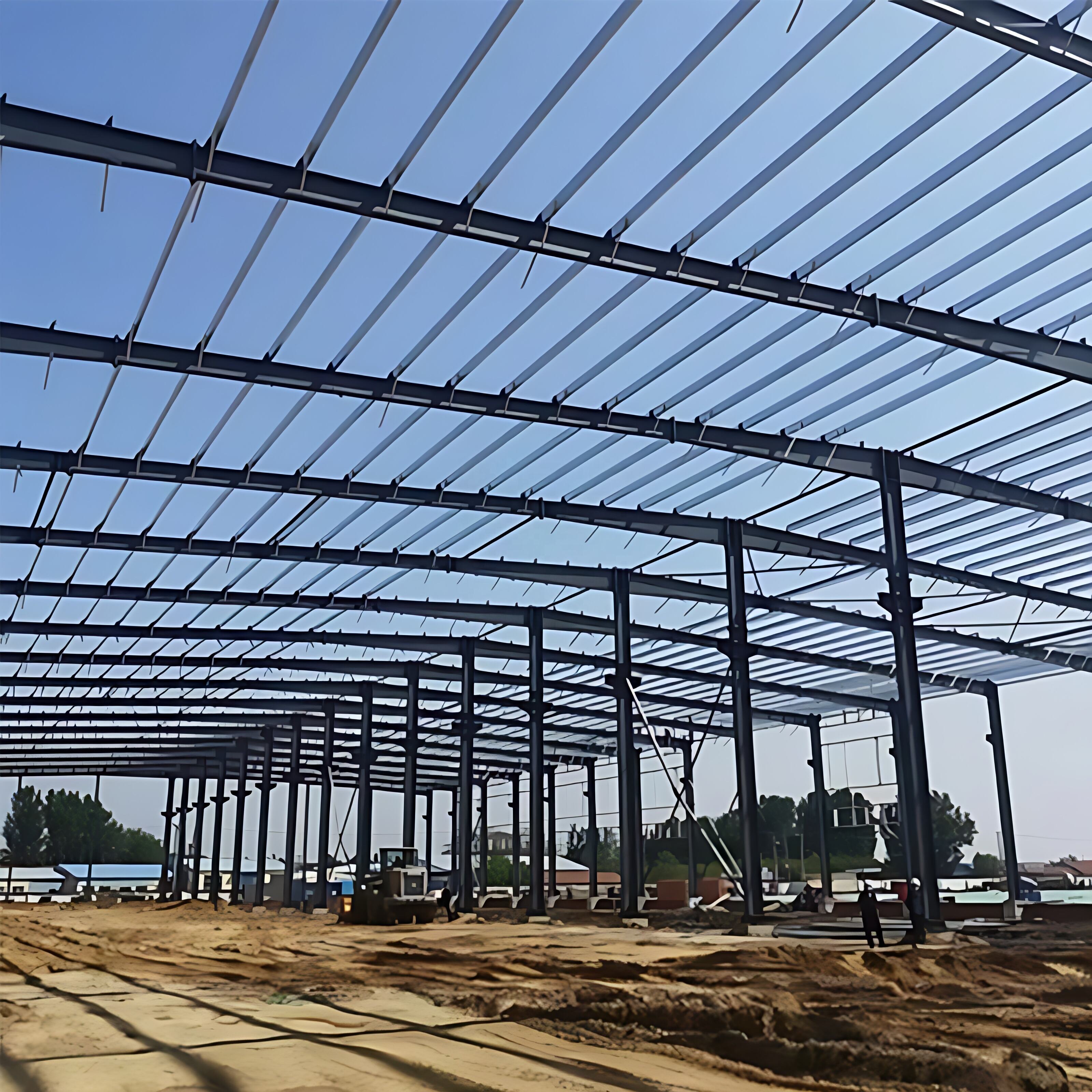
The Evolution of Industrial Manufacturing Facilities
The manufacturing landscape has undergone a remarkable transformation over the decades, with steel workshops emerging as the cornerstone of modern industrial infrastructure. These robust structures have revolutionized how businesses approach their manufacturing operations, offering unprecedented flexibility and durability that traditional building materials simply cannot match.
Steel workshops have become the gold standard in manufacturing facilities, representing a perfect fusion of architectural innovation and practical functionality. Their growing popularity stems from an impressive array of benefits that directly impact operational efficiency, cost-effectiveness, and long-term sustainability.
Key Advantages of Steel Workshop Construction
Structural Integrity and Durability
Steel workshops stand as paragons of structural excellence, engineered to withstand diverse environmental challenges while maintaining their integrity over decades. The inherent strength of steel allows these structures to support massive loads, accommodate heavy machinery, and resist natural forces without compromising stability.
The superior durability of steel workshops translates into minimal maintenance requirements and extended service life. Unlike traditional building materials, steel doesn't rot, warp, or succumb to pest infestations, ensuring consistent performance throughout the structure's lifetime.
Cost-Effective Construction and Operation
Manufacturing facilities built with steel offer remarkable cost advantages throughout their lifecycle. The initial construction phase benefits from reduced labor costs and faster completion times, as pre-engineered components arrive ready for assembly. This streamlined process significantly cuts down on construction expenses and enables quicker operational deployment.
The long-term financial benefits become even more apparent through reduced maintenance costs, lower insurance premiums due to steel's fire-resistant properties, and exceptional energy efficiency. Steel workshops can be effectively insulated, leading to substantial savings in heating and cooling expenses.
Design Flexibility and Customization Options
Spacious Interior Configurations
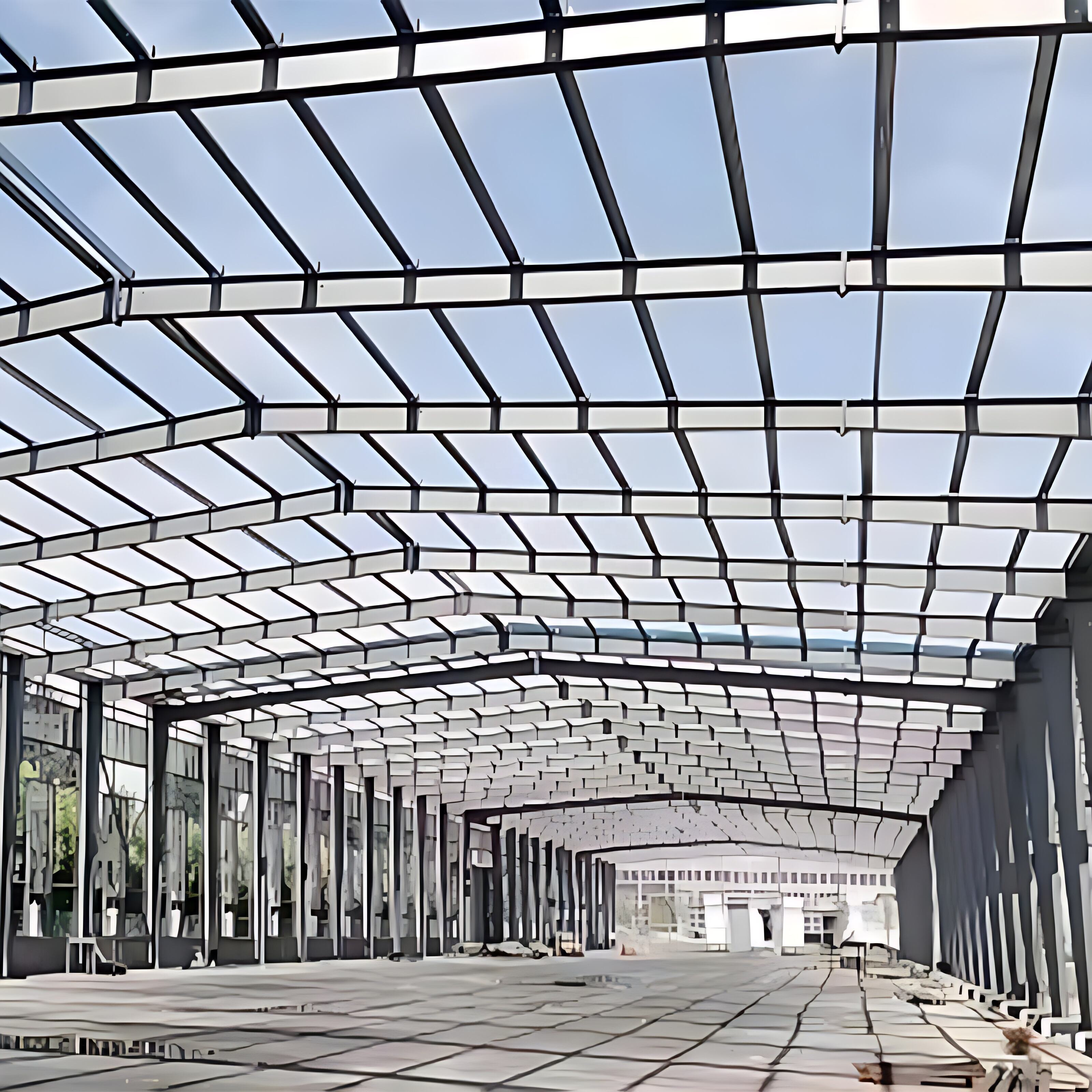
Steel workshops excel in providing clear-span interiors, eliminating the need for internal support columns that could otherwise restrict movement and limit layout options. This open-concept design allows manufacturers to optimize their floor plans, accommodate large equipment, and create efficient workflow patterns.
The versatility of steel construction enables easy modification of interior spaces as operational needs evolve. Manufacturers can readily reconfigure their workshop layout, install new equipment, or expand production lines without compromising the building's structural integrity.
Exterior Adaptability and Aesthetics
Modern steel workshops have transcended their utilitarian origins to become architecturally impressive structures. Designers can incorporate various facade materials, window configurations, and architectural elements to create visually appealing buildings that enhance corporate image while maintaining functionality.
The adaptability of steel workshops extends to their exterior features, allowing for easy installation of loading docks, personnel doors, ventilation systems, and other essential components. This flexibility ensures that the facility can evolve alongside technological advancements and changing industry requirements.
Environmental and Sustainability Benefits
Energy Efficiency Features
Steel workshops contribute significantly to sustainable manufacturing practices through their superior thermal performance. When properly insulated, these structures maintain consistent interior temperatures, reducing the energy demands for heating and cooling. Advanced roofing systems can incorporate solar panels, skylights, and other energy-efficient features.
The recyclable nature of steel makes these workshops environmentally responsible choices. Steel components can be repurposed or recycled at the end of their service life, minimizing environmental impact and supporting circular economy principles.
Reduced Environmental Footprint
The construction of steel workshops generates minimal waste compared to traditional building methods. Pre-engineered components arrive sized and ready for assembly, eliminating on-site cutting and material waste. This efficiency extends to the building's entire lifecycle, with reduced maintenance requirements translating to fewer replacement materials and less environmental impact.
Steel workshops also support green building initiatives through their compatibility with sustainable technologies and materials. From rainwater harvesting systems to energy-efficient lighting, these structures can incorporate various eco-friendly features to minimize their environmental footprint.
Safety and Compliance Advantages
Fire Safety and Protection
Steel workshops offer superior fire resistance, providing crucial protection for valuable equipment and personnel. The non-combustible nature of steel, combined with modern fire suppression systems, creates a safer working environment and often results in reduced insurance premiums.
These structures can be designed to meet or exceed local fire safety codes, incorporating features such as fire-rated walls, emergency exits, and sophisticated sprinkler systems. The predictable behavior of steel under fire conditions allows for more effective emergency response planning.
Regulatory Compliance
Manufacturing facilities constructed with steel typically meet or exceed building code requirements with greater ease than traditional structures. The engineered precision of steel components ensures consistent quality and performance, simplifying the compliance process with industrial safety standards.
Steel workshops can be readily modified to accommodate changing regulations or safety requirements, providing businesses with the flexibility to maintain compliance without major structural renovations.
Frequently Asked Questions
How long do steel workshops typically last?
Steel workshops, when properly maintained, can last 50 years or more. Their durability and resistance to environmental factors contribute to their extended lifespan, making them a cost-effective long-term investment for manufacturing operations.
Can steel workshops be expanded after initial construction?
Yes, steel workshops are designed for easy expansion. Their modular nature allows for additional bays or sections to be added without compromising the existing structure's integrity, providing excellent flexibility for growing businesses.
What makes steel workshops more energy-efficient than traditional buildings?
Steel workshops achieve superior energy efficiency through advanced insulation systems, tight building envelopes, and the ability to incorporate energy-saving features like natural lighting and solar panels. Their design also allows for optimal temperature control and reduced HVAC costs.
How do steel workshops contribute to sustainable manufacturing practices?
Steel workshops support sustainability through their recyclable materials, energy-efficient design, minimal construction waste, and ability to incorporate green technologies. Their durability also reduces the need for replacement materials, further minimizing environmental impact.
