EN
EN
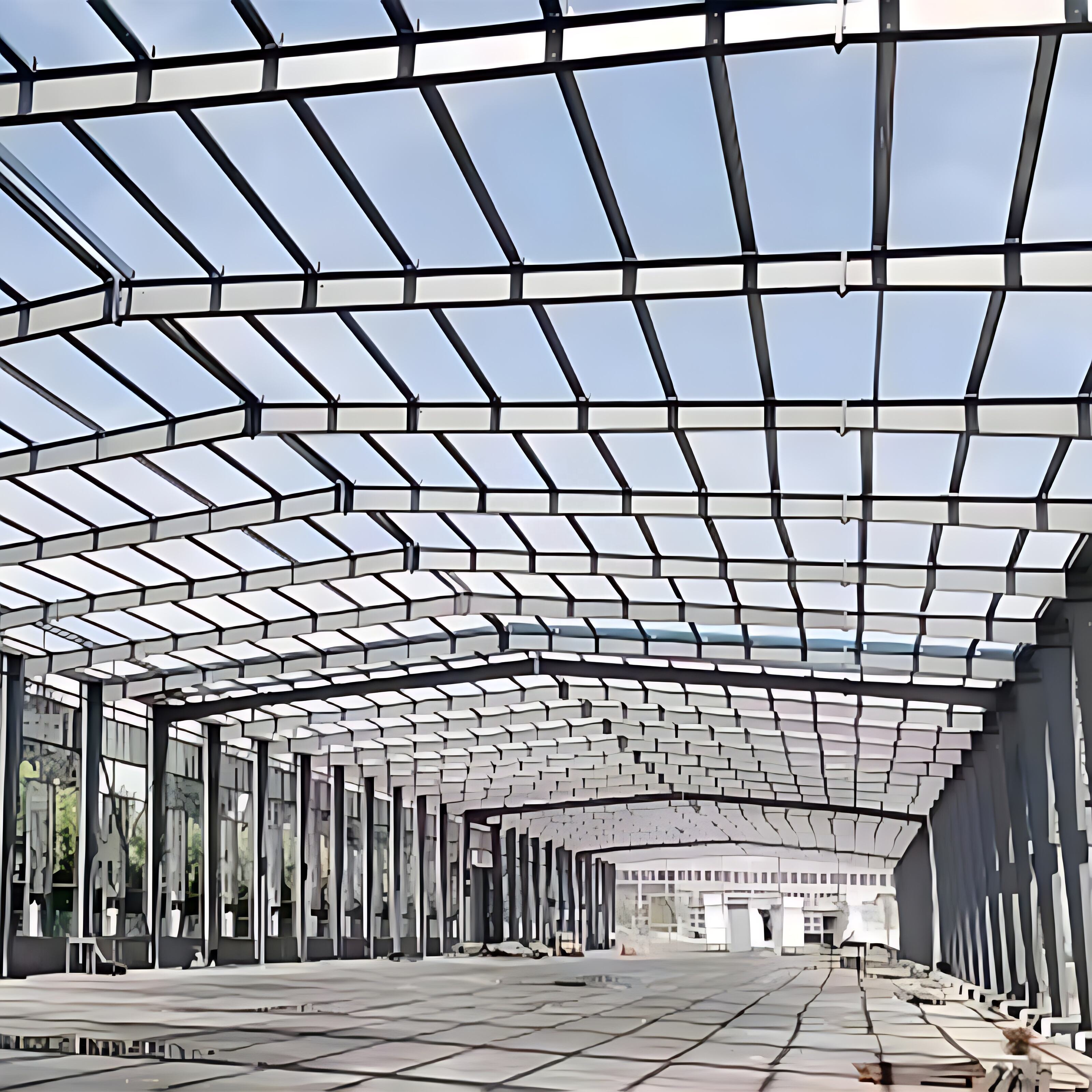
Steel structures have revolutionized the construction industry by offering unprecedented speed and efficiency in building projects. Modern construction demands require faster project completion times while maintaining structural integrity and cost-effectiveness. Steel structures provide an ideal solution that addresses these critical requirements through their inherent properties and manufacturing advantages. The construction industry increasingly recognizes that steel structures offer superior benefits over traditional building materials when time-sensitive projects are paramount.
The fundamental advantage of steel structures lies in their prefabrication capabilities, which allow for simultaneous construction activities. While foundation work progresses on-site, structural components can be manufactured in controlled factory environments. This parallel processing significantly reduces overall project timelines compared to conventional construction methods. Steel structures enable contractors to achieve remarkable time savings through streamlined assembly processes and reduced weather dependencies.
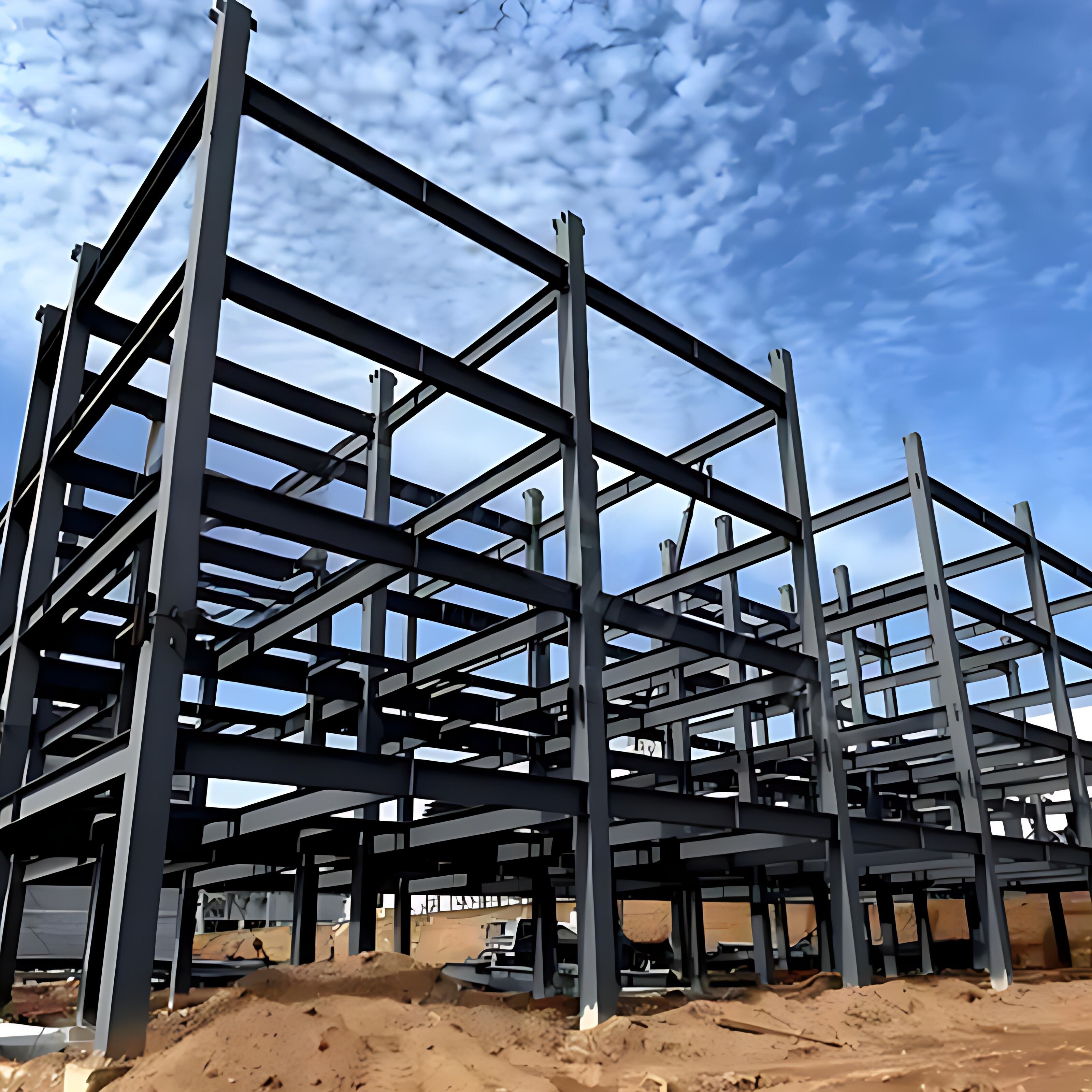
Manufacturing Advantages of Steel Structures
Prefabrication Process Benefits
Steel structures benefit from advanced prefabrication processes that occur in controlled manufacturing environments. Factory production allows for precise quality control, consistent welding standards, and optimal material utilization. The controlled environment eliminates weather-related delays that commonly affect on-site construction activities. Prefabricated steel structures arrive at construction sites ready for immediate assembly, significantly reducing labor requirements and installation time.
Modern steel fabrication facilities utilize computer-controlled cutting and welding equipment that ensures dimensional accuracy and consistent quality. This precision manufacturing eliminates field modifications and reduces installation complications. Steel structures manufactured under controlled conditions demonstrate superior quality compared to field-assembled alternatives. The predictable nature of prefabricated steel structures allows project managers to develop more accurate construction schedules.
Quality Control and Standardization
Steel structures manufactured in factory environments undergo rigorous quality control procedures that ensure structural integrity and dimensional accuracy. Standardized fabrication processes eliminate variables that commonly cause delays in traditional construction methods. Quality control measures include material testing, weld inspection, and dimensional verification before components leave the manufacturing facility. This comprehensive quality assurance reduces the likelihood of field corrections and associated time delays.
Standardized connection details and assembly procedures further accelerate the construction process for steel structures. Pre-engineered connection systems allow for rapid assembly using standard tools and equipment. Steel structures incorporate proven design solutions that eliminate the need for custom engineering during construction. The standardization of steel structures enables construction teams to develop specialized expertise that improves installation efficiency.
On-Site Assembly Efficiency
Rapid Erection Capabilities
Steel structures offer exceptional erection speed through their lightweight properties and standardized connection systems. Crane capacity requirements for steel structures are typically lower than concrete alternatives, enabling the use of smaller, more economical lifting equipment. The modular nature of steel construction allows for systematic assembly that follows predictable sequences. Experienced erection crews can achieve remarkable daily installation rates with properly planned steel structures.
The bolted connection systems commonly used in steel structures enable rapid assembly without curing times or weather restrictions. Workers can immediately proceed to subsequent assembly operations without waiting for materials to cure or set. Steel structures maintain their dimensional stability throughout the assembly process, ensuring accurate fit-up of subsequent components. This predictable assembly process allows construction schedules to remain on track regardless of minor variations in installation sequence.
Weather Independence
Steel structures demonstrate superior weather independence compared to concrete or masonry construction methods. Assembly operations can continue in moderate precipitation and temperature variations that would halt other construction activities. The dry connection methods used in steel structures eliminate concerns about freezing temperatures or excessive moisture during installation. This weather independence allows construction schedules to maintain momentum throughout various seasonal conditions.
Cold weather conditions that significantly impact concrete placement have minimal effect on steel structures assembly. Steel structures maintain their material properties across wide temperature ranges, ensuring consistent performance during installation. The absence of curing requirements allows steel structures to achieve full structural capacity immediately upon assembly. This immediate strength development enables faster progression to subsequent construction phases.
Project Scheduling Benefits
Parallel Construction Activities
Steel structures enable extensive parallel construction activities that compress overall project timelines. Foundation preparation can proceed simultaneously with steel fabrication, eliminating sequential dependencies common in traditional construction. Site preparation, utility installation, and steel fabrication can occur concurrently, maximizing resource utilization. This parallel processing capability represents one of the most significant time-saving advantages of steel structures.
The predictable delivery schedules of steel structures allow for precise coordination with other building systems. Mechanical, electrical, and plumbing contractors can prepare their installations based on confirmed steel delivery dates. Steel structures provide stable platforms for subsequent trades immediately upon erection completion. This immediate accessibility accelerates the installation of building systems and finishes.
Reduced Critical Path Dependencies
Steel structures minimize critical path dependencies that commonly extend project schedules in conventional construction. The rapid erection of steel structures creates earlier access for follow-on trades, compressing the overall construction sequence. Weather delays that significantly impact concrete construction have minimal effect on steel structures assembly schedules. This schedule reliability allows project managers to commit to aggressive completion dates with greater confidence.
The modular nature of steel structures enables flexible construction sequencing that can accommodate changes in project priorities. Partial occupancy scenarios become feasible with steel structures due to their ability to achieve structural completion in defined building areas. Steel structures support fast-track construction methods that overlap design, fabrication, and construction phases. This overlapping approach can reduce total project duration by several months compared to traditional sequential methods.
Economic Time Benefits
Labor Efficiency Considerations
Steel structures require specialized but efficient labor forces that can achieve higher daily productivity rates than traditional construction methods. The repetitive nature of steel assembly allows workers to develop expertise that increases installation speed over project duration. Smaller crew sizes needed for steel structures reduce labor coordination complexity and associated delays. The predictable work environment created by steel structures enables more accurate labor planning and resource allocation.
Training requirements for steel structures assembly are typically shorter than those needed for complex concrete or masonry work. The standardized nature of steel connections allows workers to quickly master assembly techniques. Steel structures minimize the need for highly specialized trades during the structural phase of construction. This reduced specialization requirement can improve labor availability and reduce scheduling conflicts.
Equipment and Resource Optimization
Steel structures optimize construction equipment utilization through their predictable lifting and assembly requirements. Crane scheduling becomes more reliable with steel structures due to consistent lifting cycles and known component weights. The compact storage requirements of steel structures reduce site congestion and improve material handling efficiency. Equipment mobilization costs can be reduced due to the shorter duration needed for steel structures erection.
Material waste associated with steel structures is minimal compared to cast-in-place concrete alternatives. The precision manufacturing of steel structures eliminates field cutting and modification waste. Unused steel materials retain their value and can be recycled or repurposed for future projects. This material efficiency contributes to overall project economy while supporting accelerated construction schedules.
FAQ
How much faster are steel structures compared to concrete construction
Steel structures typically reduce construction time by 30-50% compared to equivalent concrete buildings. The exact time savings depend on project complexity, size, and site conditions. Prefabrication allows steel structures to achieve weather-independent progress while concrete requires curing time and favorable conditions. Most commercial steel structures can be erected and enclosed within weeks rather than months required for concrete alternatives.
What factors influence steel structures construction speed
Construction speed for steel structures depends on design complexity, fabrication lead times, site accessibility, and crew experience. Standardized designs accelerate both fabrication and erection processes. Site preparation quality directly impacts steel structures assembly efficiency. Weather conditions affect steel structures less than other construction methods but extreme conditions can still cause delays.
Do steel structures require special equipment for fast assembly
Steel structures utilize standard construction equipment including cranes, welders, and hand tools. Specialized equipment needs are minimal compared to concrete pumping or forming requirements. Most steel structures can be assembled using readily available construction equipment. The equipment requirements for steel structures are generally smaller and more economical than alternatives.
Can steel structures maintain quality with accelerated schedules
Steel structures maintain superior quality under accelerated construction schedules due to factory fabrication quality control. Prefabrication eliminates many variables that affect field construction quality. The standardized nature of steel structures reduces the likelihood of assembly errors. Quality control procedures for steel structures are well-established and consistently applied across the industry.