the cleanroom
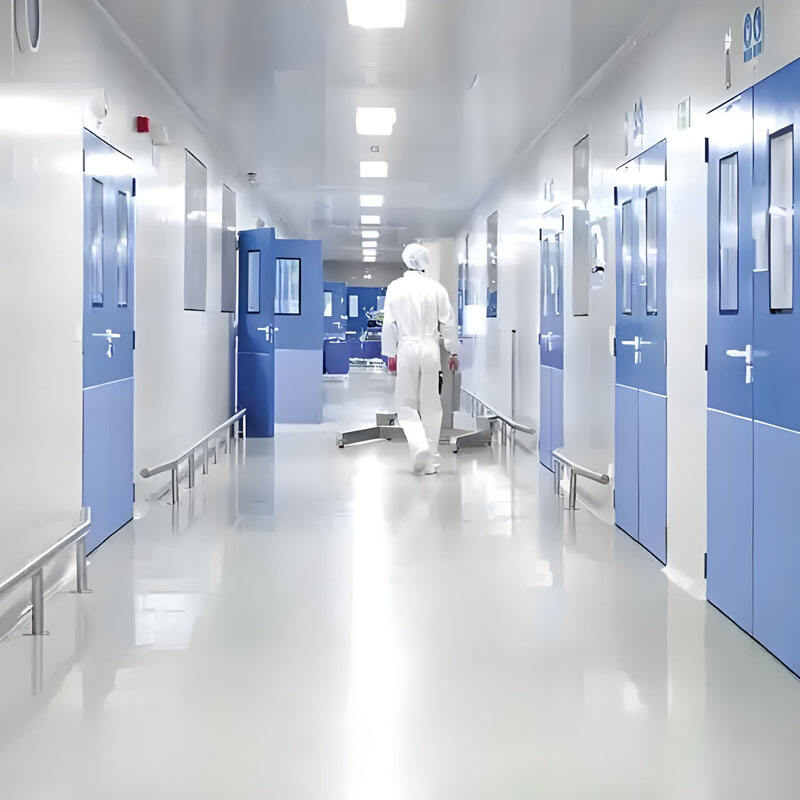
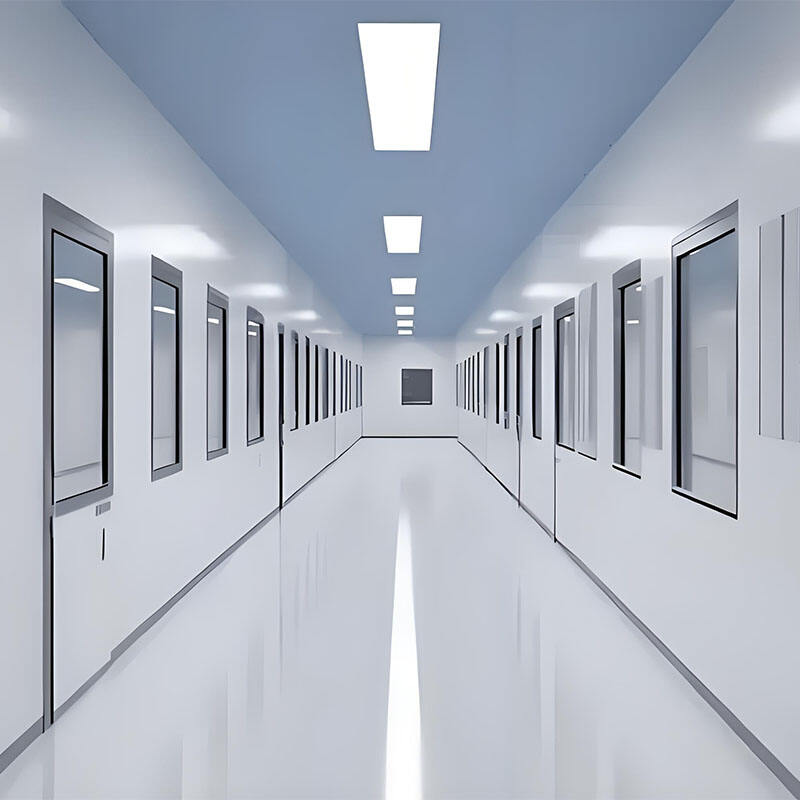
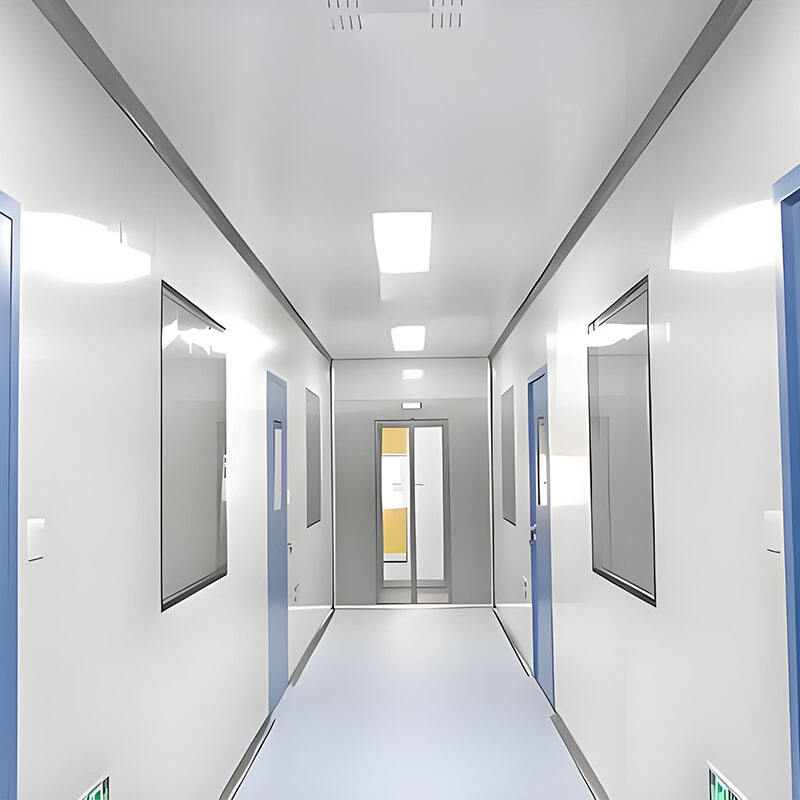
A cleanroom is a controlled environment that maintains extremely low levels of particulates, such as dust, airborne microbes, aerosol particles, and chemical vapors. These specialized facilities are engineered to maintain precise levels of contamination control through sophisticated air filtration systems, pressure differentials, and strict protocols. The primary function of a cleanroom is to prevent product contamination in industries where even microscopic particles can cause significant issues. Advanced HEPA and ULPA filtration systems continuously purify the air, while careful control of temperature, humidity, and air pressure ensures optimal conditions. Cleanrooms are classified according to ISO standards, ranging from ISO 1 (most stringent) to ISO 9, based on the number and size of particles permitted per volume of air. These facilities are essential in semiconductor manufacturing, pharmaceutical production, biotechnology research, aerospace component assembly, and medical device fabrication. Modern cleanrooms incorporate sophisticated monitoring systems that provide real-time data on environmental conditions, allowing for immediate adjustments to maintain required specifications. The design includes specialized materials and surfaces that minimize particle generation and facilitate thorough cleaning, while airlocks and gowning rooms serve as critical transition zones to maintain cleanliness levels.

 EN
EN