EN
EN
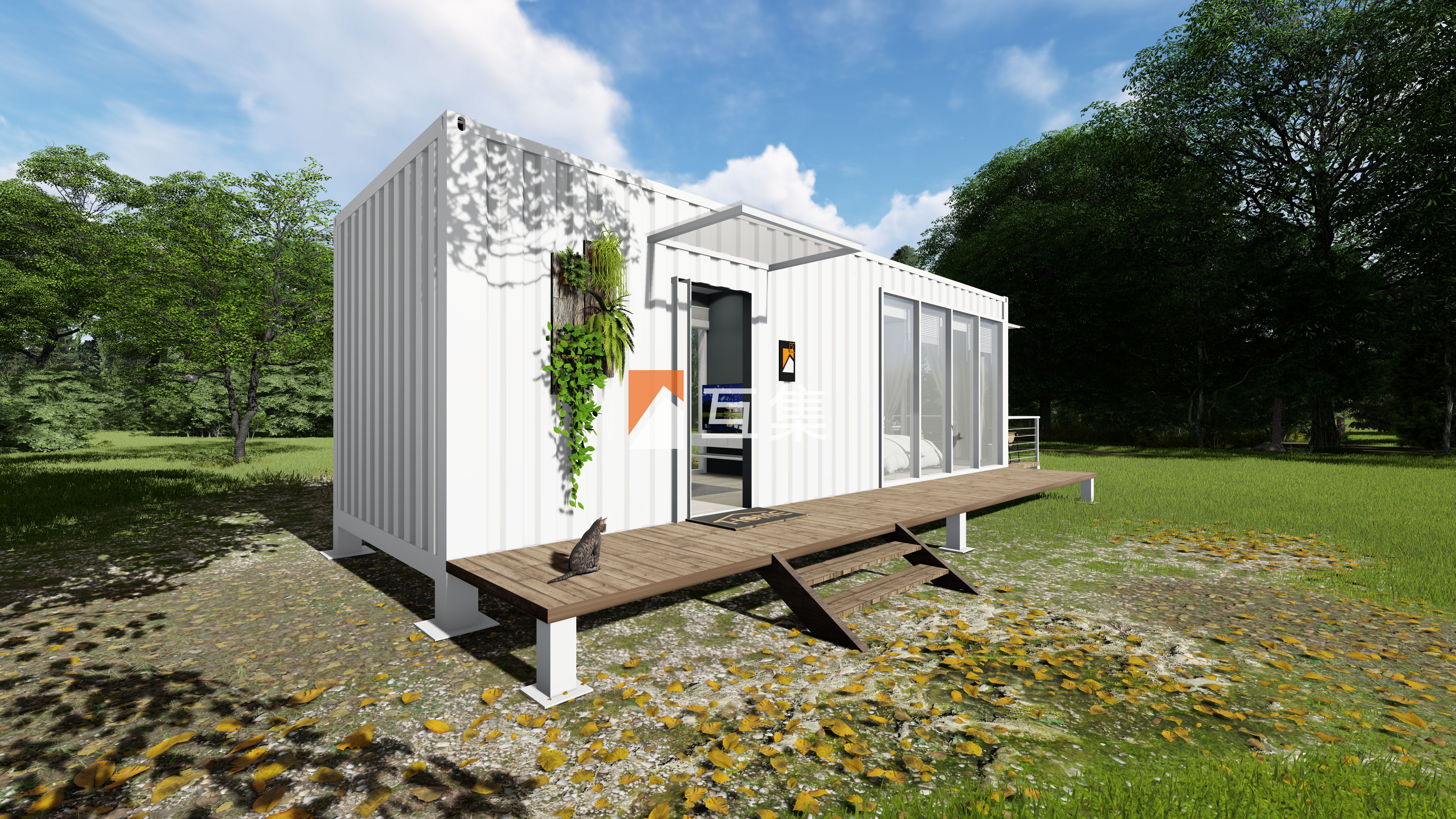
An expandable container house represents a revolutionary approach to modern living, offering homeowners a unique combination of flexibility, affordability, and sustainable design. These innovative structures transform traditional shipping containers into dynamic living spaces that can literally grow with your needs, expanding from compact units into spacious homes at the push of a button or through simple mechanical systems.
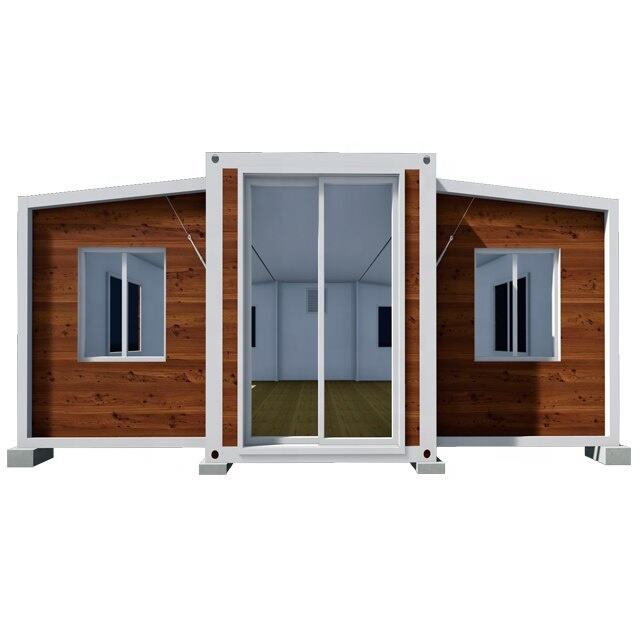
The benefits of choosing an expandable container house extend far beyond simple space efficiency. From dramatic cost savings compared to traditional construction to exceptional mobility and environmental sustainability, these adaptable structures are reshaping how we think about residential architecture and meeting the evolving demands of modern lifestyles.
Cost-Effectiveness and Financial Benefits
Significantly Lower Construction Costs
One of the most compelling benefits of an expandable container house is the substantial reduction in construction expenses compared to conventional housing. Traditional home construction often involves extensive site preparation, complex foundation work, and lengthy building processes that can stretch budgets beyond initial estimates. In contrast, an expandable container house arrives as a prefabricated unit that requires minimal on-site assembly and basic foundation requirements.
The manufacturing process for expandable container house units takes place in controlled factory environments, eliminating weather delays and reducing material waste. This streamlined production approach translates directly into cost savings for homeowners, with many expandable container house projects costing 30-50% less than comparable traditional construction. The predictable pricing structure also eliminates the surprise expenses that commonly plague conventional building projects.
Labor costs represent another significant advantage, as expandable container house installation requires fewer specialized trades and shorter construction timelines. The self-contained nature of these units means electrical, plumbing, and HVAC systems are often pre-installed, reducing the complexity and expense of on-site work.
Reduced Maintenance and Operating Expenses
The structural integrity of an expandable container house provides long-term financial benefits through reduced maintenance requirements. Built from durable steel construction designed to withstand ocean transport, these units resist common issues like termite damage, foundation settling, and structural deterioration that can plague traditional homes.
Energy efficiency represents another ongoing financial benefit of expandable container house living. The compact design and modern insulation systems typically result in lower utility costs, while the option to incorporate solar panels and other green technologies can further reduce monthly expenses. Many expandable container house owners report utility savings of 20-40% compared to conventional homes of similar square footage.
Space Efficiency and Flexibility Benefits
Adaptive Living Spaces That Grow With Your Needs
The defining characteristic of an expandable container house is its ability to transform from a compact footprint into a spacious living environment. This expansion capability provides homeowners with unprecedented flexibility to adapt their living space based on changing circumstances, whether accommodating growing families, creating dedicated work areas, or hosting guests.
Most expandable container house designs can double or triple their interior space through sliding walls, fold-out sections, or modular attachments. This transformation typically occurs within minutes using hydraulic systems or manual mechanisms, allowing residents to reconfigure their homes based on daily activities or seasonal needs. The ability to contract the space when full expansion isn't necessary also provides energy savings and easier maintenance.
The modular nature of expandable container house construction allows for future additions and modifications that would be prohibitively expensive with traditional construction. Additional units can be connected to create larger living spaces, while interior configurations can be modified without major structural changes.
Optimal Use of Limited Land Resources
In urban environments where land costs represent a significant portion of housing expenses, an expandable container house maximizes the utility of small lots. The compact footprint when contracted allows these homes to fit on narrow urban lots or in tight spaces where traditional construction wouldn't be feasible.
The vertical expansion capability of many expandable container house designs provides additional living space without increasing the ground footprint. This efficient use of available space makes these homes particularly suitable for urban infill projects and areas with strict lot coverage requirements.
Multi-unit expandable container house developments can achieve higher density than traditional single-family construction while maintaining individual home ownership and privacy. This density efficiency helps address urban housing shortages while preserving green space and community amenities.
Environmental Sustainability and Green Benefits
Repurposing and Waste Reduction
An expandable container house contributes significantly to environmental sustainability by repurposing shipping containers that might otherwise end up as industrial waste. With millions of shipping containers reaching the end of their maritime service life annually, converting them into expandable container house units provides an environmentally responsible second life for these robust steel structures.
The manufacturing process for an expandable container house generates considerably less construction waste than traditional building methods. Factory-controlled production allows for precise material usage and efficient recycling of any waste materials generated during the conversion process. This controlled environment also reduces the environmental impact of transportation, as materials are delivered to a single manufacturing location rather than multiple construction sites.
The durability of expandable container house construction means these homes have extended lifespans compared to many traditional structures, reducing the long-term environmental impact of housing replacement and renovation cycles.
Energy Efficiency and Reduced Carbon Footprint
Modern expandable container house designs incorporate advanced insulation systems and energy-efficient components that often exceed the performance of conventional construction. The compact design inherently reduces the energy required for heating and cooling, while the steel structure provides excellent thermal mass when properly insulated.
Many expandable container house projects integrate renewable energy systems more easily than traditional homes due to their modular design and structural strength. Solar panel installations, wind generators, and other green technologies can be incorporated during manufacturing or added later without major structural modifications.
The smaller environmental footprint of an expandable container house extends beyond energy consumption to include reduced water usage, lower material consumption, and decreased impact on local ecosystems during construction and throughout the building's lifecycle.
Speed and Convenience Benefits
Rapid Deployment and Move-In Ready Solutions
The speed of deployment represents a crucial benefit of expandable container house construction, with many units ready for occupancy within weeks rather than months or years required for traditional construction. This rapid timeline proves especially valuable for emergency housing, temporary accommodations, or situations where quick occupancy is essential.
Factory construction of expandable container house units eliminates weather delays and seasonal construction limitations that can significantly extend traditional building timelines. The controlled manufacturing environment ensures consistent quality and allows work to proceed regardless of on-site weather conditions.
Many expandable container house manufacturers offer turnkey solutions that include permits, site preparation, utility connections, and final installation. This comprehensive approach streamlines the entire process and reduces the coordination challenges that often complicate conventional construction projects.
Simplified Permitting and Regulatory Compliance
The standardized design of expandable container house units often simplifies the permitting process compared to custom traditional construction. Many manufacturers provide pre-approved plans and engineering documentation that expedite local approval processes.
Building code compliance is typically addressed during the manufacturing process for expandable container house units, ensuring that electrical, plumbing, and structural systems meet or exceed local requirements. This pre-compliance reduces the complexity of inspections and approvals required for occupancy permits.
Mobility and Location Independence Benefits
Relocatable Living Solutions
Unlike traditional construction, an expandable container house offers the unique benefit of relocatability, allowing homeowners to move their entire residence to new locations as circumstances change. This mobility proves particularly valuable for individuals whose careers require geographic flexibility or those who wish to experience different locations without the complexity of buying and selling traditional real estate.
The transportable nature of an expandable container house opens up location possibilities that might be impractical for traditional construction. Remote locations, temporary job sites, or areas with challenging access can accommodate these homes more easily than conventional building projects.
Seasonal living arrangements become more practical with expandable container house solutions, allowing owners to relocate between different climates or take advantage of temporary opportunities without abandoning their housing investment.
Reduced Location Dependencies
The self-contained nature of many expandable container house designs reduces dependencies on local infrastructure and utilities. Off-grid capabilities, including solar power systems, water collection and treatment, and waste management solutions, allow these homes to function in locations where traditional construction would require extensive utility connections.
This location independence can provide access to more affordable land options, as expandable container house owners aren't limited to areas with full utility infrastructure. Rural properties, undeveloped land, or locations with limited services become viable housing options.
FAQ
How much does an expandable container house typically cost compared to traditional construction?
An expandable container house typically costs 30-50% less than comparable traditional construction, with prices ranging from $50,000 to $150,000 for a complete unit depending on size, features, and finishes. This cost advantage includes faster construction timelines, reduced labor expenses, and fewer surprise costs during the building process.
How quickly can an expandable container house be installed and ready for occupancy?
Most expandable container house installations can be completed within 2-6 weeks from delivery to move-in ready status. This timeline includes site preparation, utility connections, and final setup. Factory construction eliminates weather delays and allows for year-round installation, significantly faster than traditional construction which often takes 6-12 months or longer.
What are the expansion capabilities of a typical expandable container house?
A standard expandable container house can typically double or triple its interior space when fully expanded. Most designs expand from around 160 square feet in contracted form to 320-480 square feet when fully opened. Some larger units can expand to over 600 square feet, and multiple units can be combined for even greater living space.
Are expandable container houses suitable for permanent year-round living?
Yes, modern expandable container houses are designed for permanent residential use and can provide comfortable year-round living when properly insulated and equipped with appropriate heating and cooling systems. Many units exceed traditional construction standards for energy efficiency and weather resistance, making them suitable for various climates and long-term occupancy.
Table of Contents
- Cost-Effectiveness and Financial Benefits
- Space Efficiency and Flexibility Benefits
- Environmental Sustainability and Green Benefits
- Speed and Convenience Benefits
- Mobility and Location Independence Benefits
-
FAQ
- How much does an expandable container house typically cost compared to traditional construction?
- How quickly can an expandable container house be installed and ready for occupancy?
- What are the expansion capabilities of a typical expandable container house?
- Are expandable container houses suitable for permanent year-round living?