EN
EN
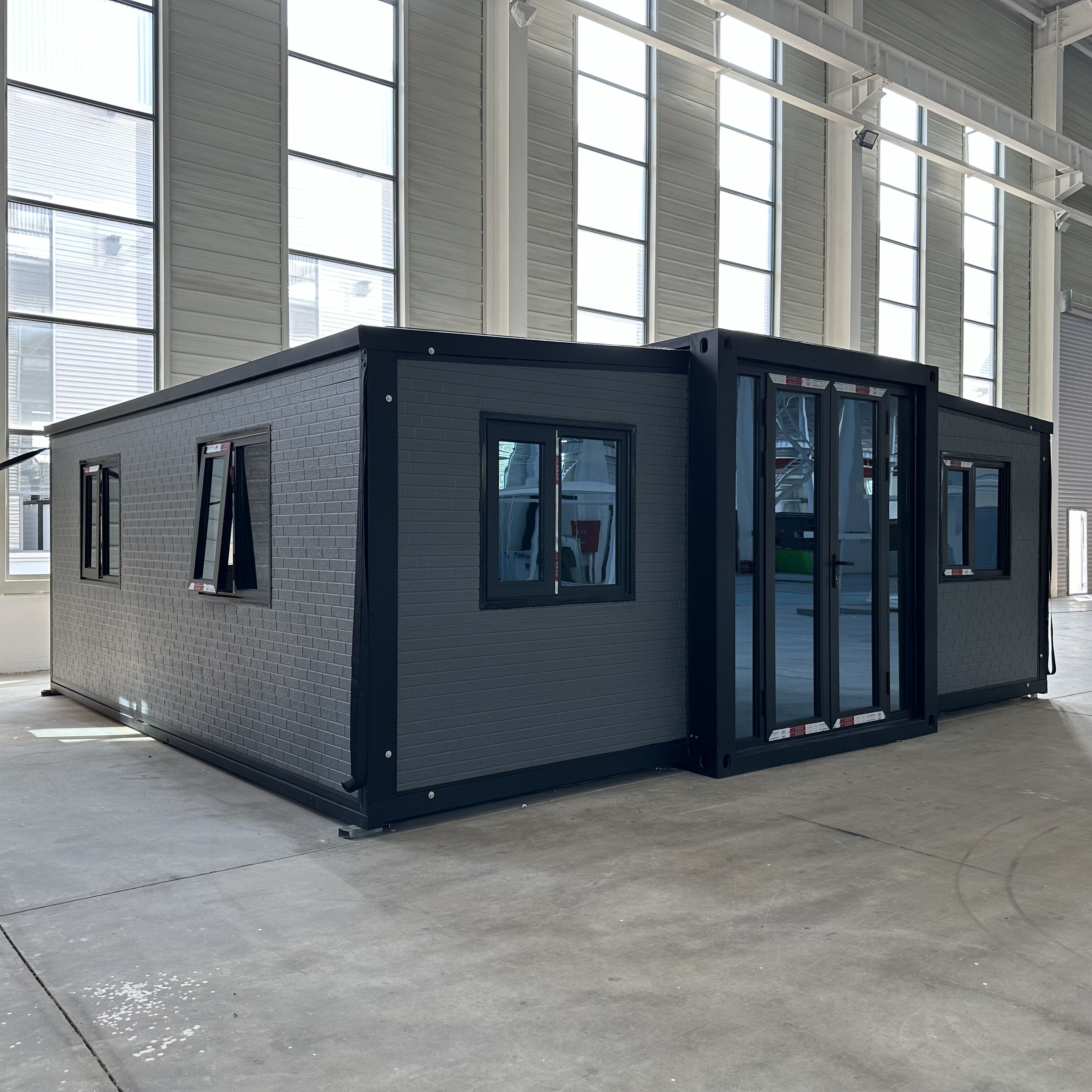
An expandable container house revolutionizes modern living by maximizing usable space within a compact footprint through innovative engineering mechanisms that allow the structure to expand when deployed. This transformative housing solution addresses the growing need for space-efficient living while maintaining full residential functionality, making it an increasingly popular choice for both temporary and permanent housing applications.
The space-saving mechanism of an expandable container house operates through a sophisticated folding system that compresses the living area during transport and storage, then extends to create substantially more interior space when needed. This ingenious design allows a standard shipping container footprint to provide up to three times more living space than traditional fixed container homes, fundamentally changing how we approach compact housing solutions.
Mechanical Expansion Systems That Multiply Living Space
Hydraulic and Manual Extension Mechanisms
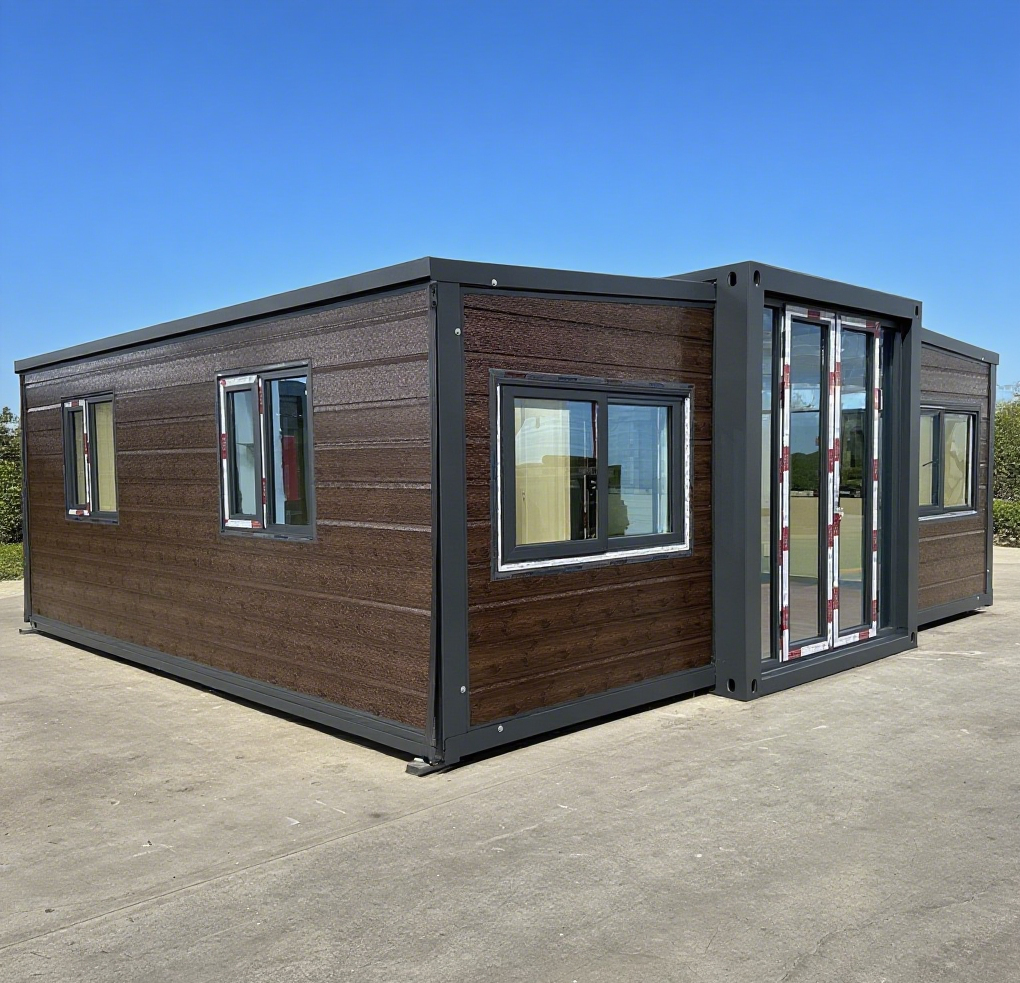
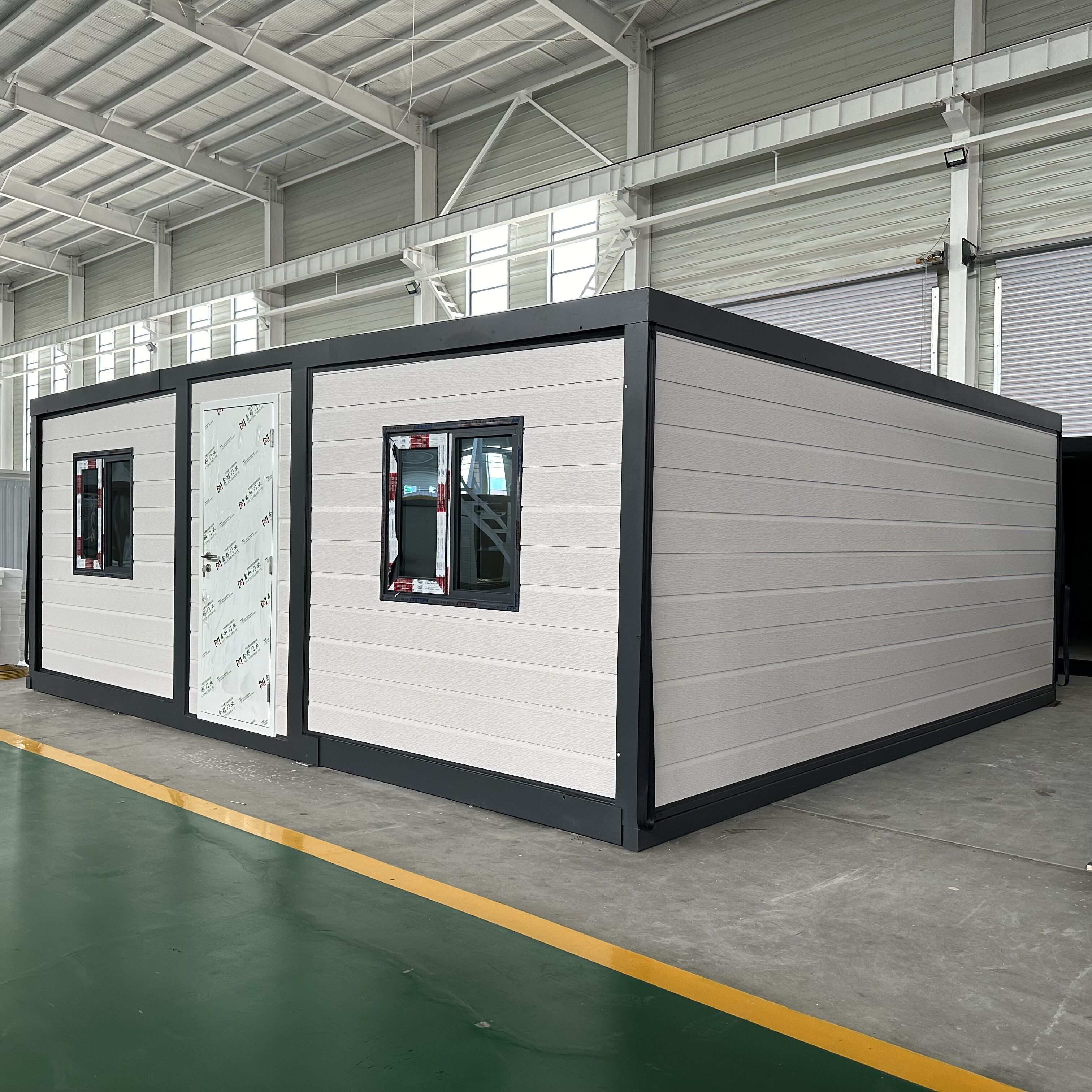
The core space-saving functionality of an expandable container house relies on precision-engineered extension systems that push out sidewalls to create additional floor area. Hydraulic mechanisms enable smooth, controlled expansion that can increase interior width from the standard 8 feet to as much as 24 feet within minutes. These systems incorporate telescoping wall panels that slide along reinforced tracks, maintaining structural integrity while maximizing usable space.
Manual expansion systems offer a more cost-effective alternative while still delivering significant space multiplication. These mechanisms utilize lever systems and locking mechanisms that allow occupants to extend sections of the expandable container house with minimal physical effort. The manual approach provides the same space-saving benefits during transport while offering reliable expansion capabilities without requiring external power sources.
Telescoping Wall Technology
Advanced telescoping wall technology enables an expandable container house to achieve remarkable space efficiency through nested wall panels that stack compactly during transport. These walls incorporate precision alignment systems that ensure seamless expansion while maintaining thermal performance and weather resistance. The telescoping design allows multiple sections to extend simultaneously, creating large open living areas from what appears to be a standard shipping container.
The engineering behind telescoping walls includes reinforced connection points that distribute structural loads evenly across the expanded frame. This technology ensures that the expandable container house maintains full structural integrity in both compressed and extended configurations, providing occupants with confidence in the building's safety and durability regardless of its current state.
Storage and Transportation Space Efficiency
Compact Shipping Configuration
An expandable container house achieves exceptional transportation efficiency by compressing to standard shipping container dimensions, allowing multiple units to be transported simultaneously on a single truck or shipping vessel. This compressed configuration reduces transportation costs by up to 70% compared to pre-assembled modular homes, while also minimizing the environmental impact of delivery logistics.
The compact shipping configuration of an expandable container house also enables efficient storage at distribution centers and construction sites. Multiple units can be stacked vertically in the compressed state, requiring minimal ground space for inventory management. This storage efficiency translates to reduced land costs and improved project logistics for large-scale housing developments.
Site Preparation and Foundation Requirements
The space-saving benefits of an expandable container house extend to site preparation requirements, as these structures typically require minimal foundation work compared to traditional construction. The compact footprint during installation allows placement in tight spaces where conventional homes would be impossible to construct. Simple pad foundations or pier systems are often sufficient, reducing excavation needs and site disruption.
Installation logistics benefit significantly from the compressed dimensions of an expandable container house during delivery. The unit can navigate narrow access roads and tight building sites that would prevent delivery of traditional modular homes. Once positioned, the expansion process requires minimal additional space around the perimeter, making these structures ideal for urban infill projects and constrained building lots.
Interior Space Optimization Strategies
Multi-Functional Room Design
The interior layout of an expandable container house maximizes functional space through strategic room design that serves multiple purposes throughout the day. Living areas transform seamlessly from workspace to entertainment zones, while sleeping areas can convert to additional storage or activity space when not in use. This adaptive functionality effectively multiplies the perceived living space without requiring additional square footage.
Smart furniture integration plays a crucial role in space optimization within an expandable container house. Built-in storage solutions, fold-down work surfaces, and convertible seating arrangements maximize utility while minimizing clutter. These design elements work synergistically with the expandable structure to create living environments that feel significantly larger than their actual dimensions might suggest.
Vertical Space Utilization
An expandable container house leverages vertical space through innovative ceiling design and loft configurations that create additional usable areas without expanding the horizontal footprint. High ceilings in expanded sections accommodate mezzanine levels for sleeping or storage, effectively creating multi-story functionality within a single-level structure. This vertical optimization can increase usable floor area by 50% or more in properly designed units.
Ceiling-mounted storage systems and fold-down furniture maximize vertical space efficiency in an expandable container house. Overhead storage compartments keep seasonal items and rarely used belongings accessible but out of the way, while fold-down beds and work surfaces appear only when needed. These vertical solutions ensure that the expanded living space remains uncluttered and functional for daily activities.
Comparative Space Efficiency Analysis
Footprint Versus Living Area Ratios
An expandable container house delivers remarkable space efficiency ratios compared to conventional housing options, providing up to 600 square feet of living space within a 320 square foot shipping footprint. This nearly 2:1 ratio represents a significant improvement over traditional container conversions, which typically offer only the space contained within the original container dimensions. The expansion capability effectively doubles or triples the living space without proportionally increasing the site requirements.
When comparing space efficiency metrics, an expandable container house consistently outperforms traditional modular homes and site-built construction in terms of transported space versus delivered living area. The ability to compress for shipping while expanding for occupancy creates unique advantages in both urban and remote deployment scenarios where space constraints significantly impact housing options.
Cost-Effective Space Solutions
The space-saving design of an expandable container house translates directly into cost savings across multiple project phases, from reduced transportation expenses to lower site preparation costs. The efficient use of materials and standardized manufacturing processes enable these structures to deliver more living space per dollar invested compared to conventional construction methods. This economic efficiency makes expanded living space accessible to a broader range of users and applications.
Long-term operational savings emerge from the space-efficient design of an expandable container house through reduced utility costs and maintenance requirements. The optimized building envelope and efficient mechanical systems require less energy to heat and cool, while the durable construction materials minimize ongoing maintenance expenses. These operational efficiencies compound the initial space-saving benefits with sustained economic advantages.
FAQ
How much space can an expandable container house actually provide when fully extended?
A typical expandable container house can provide between 400 to 1000 square feet of living space when fully extended, depending on the specific model and expansion configuration. Most units start with a standard 8x20 or 8x40 foot shipping container base and can expand to widths of 16 to 24 feet, effectively doubling or tripling the interior floor area. The exact space depends on the manufacturer's design and the number of expandable sections incorporated into the structure.
Does expanding the container affect its structural integrity or safety?
Modern expandable container houses are engineered to maintain full structural integrity in both compressed and extended configurations through reinforced connection systems and proper load distribution. The expansion mechanisms include locking systems that secure the extended sections firmly in place, meeting or exceeding standard building codes for residential structures. Professional engineering ensures that wind loads, seismic forces, and other structural demands are adequately addressed in the expanded configuration.
How long does it take to expand or compress an expandable container house?
The expansion process for an expandable container house typically takes between 30 minutes to 2 hours, depending on whether the system uses hydraulic or manual mechanisms. Hydraulic systems can complete the expansion in as little as 15-30 minutes with minimal labor, while manual systems may require 1-2 hours and 2-4 people to operate the extension mechanisms safely. The compression process generally takes similar time frames and can be completed whenever relocation or storage is necessary.
Can expandable container houses be expanded permanently or do they need to be moved periodically?
An expandable container house can remain in the expanded configuration permanently once properly installed and secured to appropriate foundations. The expansion mechanism is designed for repeated use, allowing owners to compress the structure for relocation if needed, but there is no requirement to periodically move or compress the unit. Many installations remain expanded for years or even decades, functioning exactly like permanent traditional housing with the added flexibility of potential relocation when circumstances change.
Table of Contents
- Mechanical Expansion Systems That Multiply Living Space
- Storage and Transportation Space Efficiency
- Interior Space Optimization Strategies
- Comparative Space Efficiency Analysis
-
FAQ
- How much space can an expandable container house actually provide when fully extended?
- Does expanding the container affect its structural integrity or safety?
- How long does it take to expand or compress an expandable container house?
- Can expandable container houses be expanded permanently or do they need to be moved periodically?