EN
EN
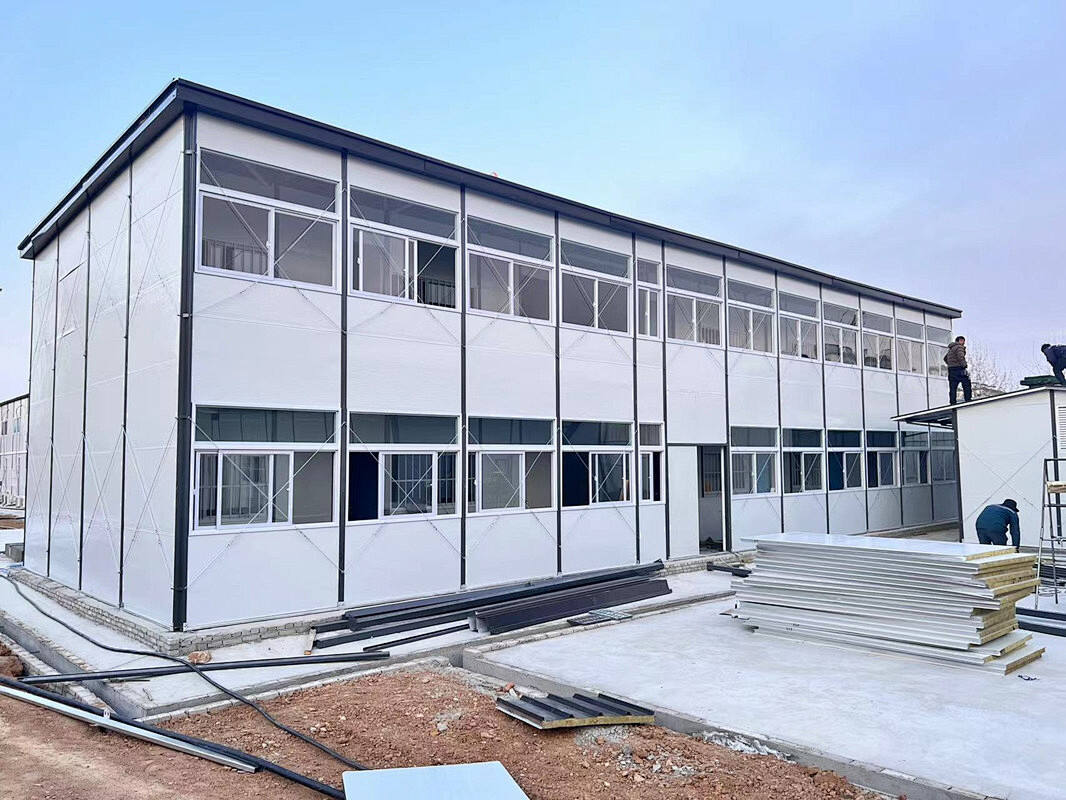
The construction industry is experiencing a revolutionary shift toward modular and prefabricated solutions, with flat pack container houses emerging as one of the most innovative and practical options for modern building needs. These structures represent a perfect fusion of portability, affordability, and functionality, addressing the growing demand for flexible housing solutions across various sectors including residential, commercial, and industrial applications.
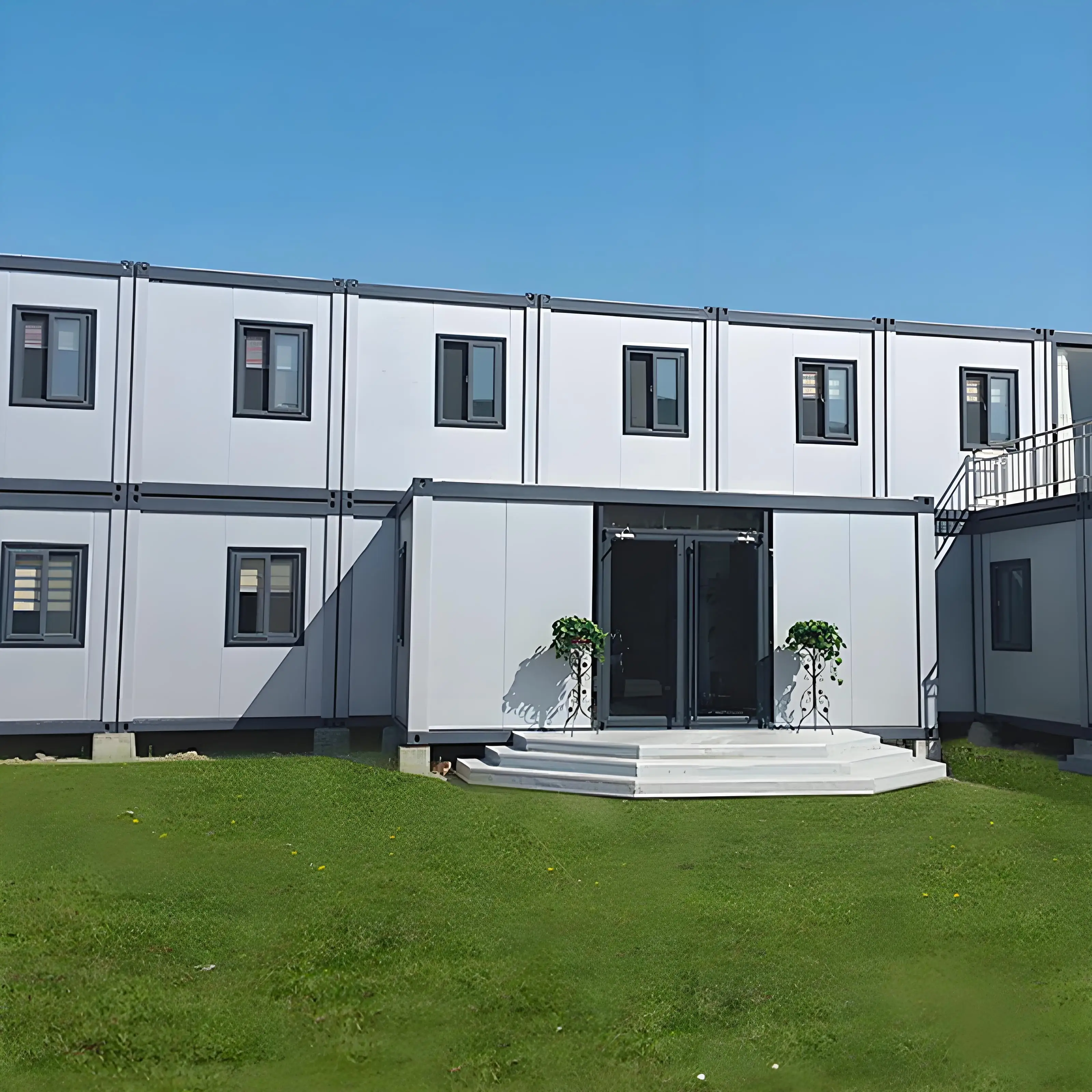
Understanding the comprehensive advantages of a flat pack container house is crucial for developers, contractors, and property owners who seek efficient building solutions that can adapt to diverse requirements while maintaining cost-effectiveness and structural integrity. From rapid deployment capabilities to environmental sustainability, these innovative structures offer numerous benefits that traditional construction methods simply cannot match in today's fast-paced development environment.
Cost-Effectiveness and Economic Advantages
Reduced Construction Expenses
A flat pack container house delivers exceptional cost savings compared to traditional construction methods, primarily through reduced material waste and streamlined manufacturing processes. The prefabricated nature of these structures eliminates many on-site construction variables that typically lead to budget overruns, allowing for precise cost prediction and control throughout the project lifecycle.
The standardized production process of a flat pack container house significantly reduces labor costs, as most assembly work requires basic construction skills rather than specialized trades. This accessibility to broader labor markets helps maintain competitive pricing while ensuring quality construction standards are met consistently across different project locations.
Transportation costs are minimized due to the compact flat-pack design, which allows multiple units to be shipped efficiently in standard shipping containers. This efficient logistics approach makes the flat pack container house an economically viable option even for remote locations where traditional construction materials would be prohibitively expensive to transport.
Long-Term Financial Benefits
The durability and low maintenance requirements of a flat pack container house translate into substantial long-term savings for property owners. The steel framework and weather-resistant materials require minimal upkeep compared to traditional wood-frame construction, reducing ongoing maintenance expenses and extending the structure's useful life.
Energy efficiency features built into modern flat pack container house designs contribute to reduced utility costs over time. Proper insulation, strategic window placement, and optional solar panel integration can significantly lower heating, cooling, and electrical expenses, providing measurable return on investment.
The modular nature of a flat pack container house allows for easy expansion or reconfiguration as needs change, eliminating the need for costly demolition and reconstruction projects. This adaptability provides excellent value retention and future-proofing capabilities that traditional construction cannot offer.
Speed and Efficiency of Installation
Rapid Deployment Capabilities
The installation timeline for a flat pack container house is dramatically shorter than conventional construction, with complete assembly typically achievable within days rather than weeks or months. This rapid deployment capability makes these structures ideal for emergency housing, temporary worker accommodations, and projects with tight deadlines.
Pre-engineered components of a flat pack container house arrive ready for assembly, eliminating time-consuming on-site fabrication work. The standardized connection systems and detailed assembly instructions enable construction teams to work efficiently without extensive specialized training or complex coordination between multiple trades.
Site preparation requirements for a flat pack container house are minimal compared to traditional construction, often requiring only basic leveling and foundation work. This streamlined site preparation process further accelerates project timelines and reduces the impact of weather delays on construction schedules.
Streamlined Project Management
The predictable assembly process of a flat pack container house simplifies project management and reduces coordination complexity. With fewer variables and dependencies compared to traditional construction, project managers can maintain better control over schedules and resource allocation throughout the installation process.
Quality control is enhanced with a flat pack container house because most components are manufactured in controlled factory conditions rather than exposed to on-site weather and environmental variables. This controlled production environment ensures consistent quality standards and reduces the likelihood of defects or construction delays.
The standardized nature of flat pack container house systems enables better resource planning and inventory management, as contractors can accurately predict material requirements and assembly timeframes based on proven performance data from previous installations.
Versatility and Adaptability Features
Flexible Design Options
Modern flat pack container house designs offer remarkable flexibility in layout and configuration, accommodating diverse functional requirements from residential living spaces to office environments and specialized industrial applications. The modular framework allows for easy customization of interior partitions, window placements, and door configurations to meet specific user needs.
External modifications to a flat pack container house can include various cladding options, roofing styles, and architectural features that integrate seamlessly with surrounding structures or landscape requirements. This design flexibility ensures that the functional benefits of modular construction do not compromise aesthetic considerations or architectural harmony.
Multiple units can be combined to create larger structures, with a flat pack container house serving as building blocks for complex multi-story or extended floor plan configurations. This scalability makes these structures suitable for everything from single-family homes to large-scale housing developments or commercial complexes.
Multi-Purpose Applications
The versatility of a flat pack container house extends across numerous industries and use cases, from temporary worker housing at construction sites to permanent residential developments in urban and rural settings. This broad applicability makes these structures valuable assets that can be repurposed as needs change over time.
Educational facilities, healthcare clinics, retail spaces, and office buildings can all be effectively created using flat pack container house technology. The standardized systems and proven structural integrity provide confidence for architects and developers working on specialized applications that require reliable performance characteristics.
Disaster relief and emergency response scenarios benefit significantly from the rapid deployment capabilities of a flat pack container house, providing immediate shelter solutions that can be quickly established and easily relocated as recovery efforts progress and community needs evolve.
Environmental Sustainability and Green Building Benefits
Reduced Environmental Impact
The manufacturing process of a flat pack container house generates significantly less waste compared to traditional on-site construction, with precise factory cutting and assembly procedures minimizing material waste and optimizing resource utilization. This efficient production approach contributes to reduced environmental impact throughout the construction lifecycle.
Transportation efficiency is a key environmental advantage of a flat pack container house, as the compact shipping configuration reduces fuel consumption and carbon emissions associated with material delivery to construction sites. This logistical efficiency becomes increasingly important as environmental regulations and sustainability requirements become more stringent.
The steel framework of a flat pack container house is highly recyclable at the end of its useful life, supporting circular economy principles and reducing long-term environmental burden. Unlike traditional construction materials that often end up in landfills, the modular components can be disassembled and repurposed for new applications.
Energy Efficiency Features
Modern flat pack container house designs incorporate advanced insulation systems and energy-efficient components that can exceed traditional building performance standards. Proper thermal barriers and air sealing techniques help maintain comfortable interior conditions while minimizing energy consumption for heating and cooling.
Solar panel integration and renewable energy systems can be easily incorporated into a flat pack container house design, often with pre-engineered mounting systems that simplify installation and optimize energy generation potential. This renewable energy compatibility supports off-grid applications and reduces long-term environmental impact.
Water conservation features and sustainable utilities can be integrated into flat pack container house projects, including rainwater collection systems, greywater recycling, and efficient plumbing fixtures that minimize resource consumption while maintaining functionality and comfort for occupants.
Quality and Durability Standards
Structural Integrity and Safety
The engineered design of a flat pack container house ensures consistent structural performance that meets or exceeds building code requirements across different geographic regions and climate conditions. The steel framework provides excellent resistance to seismic activity, high winds, and other environmental stressors that can compromise traditional construction.
Factory-controlled manufacturing processes for a flat pack container house enable rigorous quality control procedures that are difficult to maintain in on-site construction environments. Welding quality, material specifications, and dimensional accuracy can be closely monitored and verified before components leave the manufacturing facility.
Fire resistance and safety features of a flat pack container house can be enhanced through appropriate material selection and design modifications, providing occupant protection that meets or exceeds traditional building standards while maintaining the cost and time advantages of modular construction.
Weather Resistance and Longevity
The robust construction of a flat pack container house provides excellent protection against harsh weather conditions, with properly sealed joints and weather-resistant materials ensuring long-term performance in challenging climates. The steel structure resists deterioration from moisture, insects, and other environmental factors that commonly affect wood-frame construction.
Protective coatings and surface treatments applied to flat pack container house components during manufacturing provide lasting protection against corrosion and weathering. These factory-applied finishes typically offer superior durability compared to on-site painting and finishing work performed under variable weather conditions.
The expected service life of a properly maintained flat pack container house can exceed 30 years, making these structures viable for long-term residential, commercial, and institutional applications where durability and reliability are essential considerations for property owners and facility managers.
FAQ
How long does it take to assemble a flat pack container house?
Assembly time for a flat pack container house typically ranges from 2-5 days depending on the size and complexity of the structure. Simple single-unit configurations can often be completed in 1-2 days, while larger multi-unit installations may require up to a week. The actual timeline depends on site conditions, crew experience, and weather factors.
What foundation requirements are needed for a flat pack container house?
A flat pack container house requires a level foundation system, which can range from simple concrete piers or pads to full concrete slabs depending on local building codes and soil conditions. Many installations use adjustable steel pier systems that can accommodate minor ground variations and provide excellent drainage characteristics.
Can a flat pack container house be relocated after installation?
Yes, one of the key advantages of a flat pack container house is its relocatability. While some disassembly may be required depending on the connection methods used, these structures can be taken apart and reassembled at new locations. The modular design specifically accommodates relocation needs, making them ideal for temporary or evolving applications.
What utilities can be integrated into a flat pack container house?
A flat pack container house can accommodate full utility integration including electrical systems, plumbing, HVAC, and communications infrastructure. Pre-planned utility chases and connection points facilitate easy installation of standard residential or commercial utility systems, with options for both grid-connected and off-grid configurations depending on site requirements and user preferences.