EN
EN
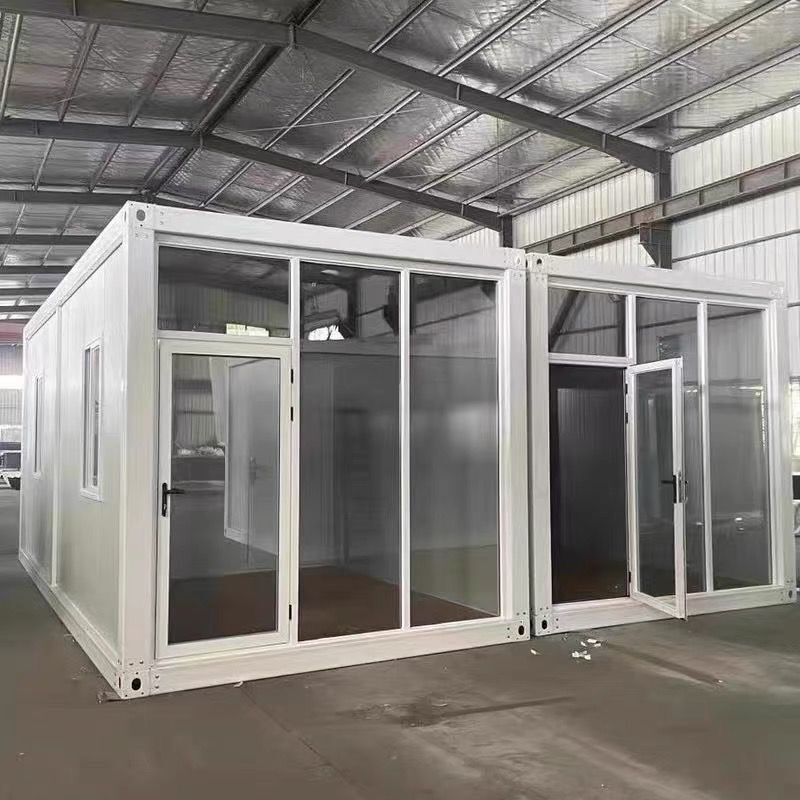
Construction timelines have long been one of the most persistent challenges in the building industry. Delays caused by weather, labor shortages, and complex on-site coordination can push project deadlines back by weeks or even months. prefab houses have emerged as a compelling solution to these challenges, fundamentally changing how residential and commercial structures are built by shifting the majority of work away from the construction site and into a controlled factory environment.
Understanding exactly how prefab houses save time and labor requires looking beyond the surface-level appeal of modular design. The efficiency gains are structural, rooted in manufacturing logic, supply chain optimization, and workforce specialization. For developers, contractors, and project owners, these advantages translate directly into lower costs, faster occupancy, and more predictable project outcomes. This article breaks down the specific mechanisms that make prefab houses a time-saving and labor-efficient choice in modern construction.
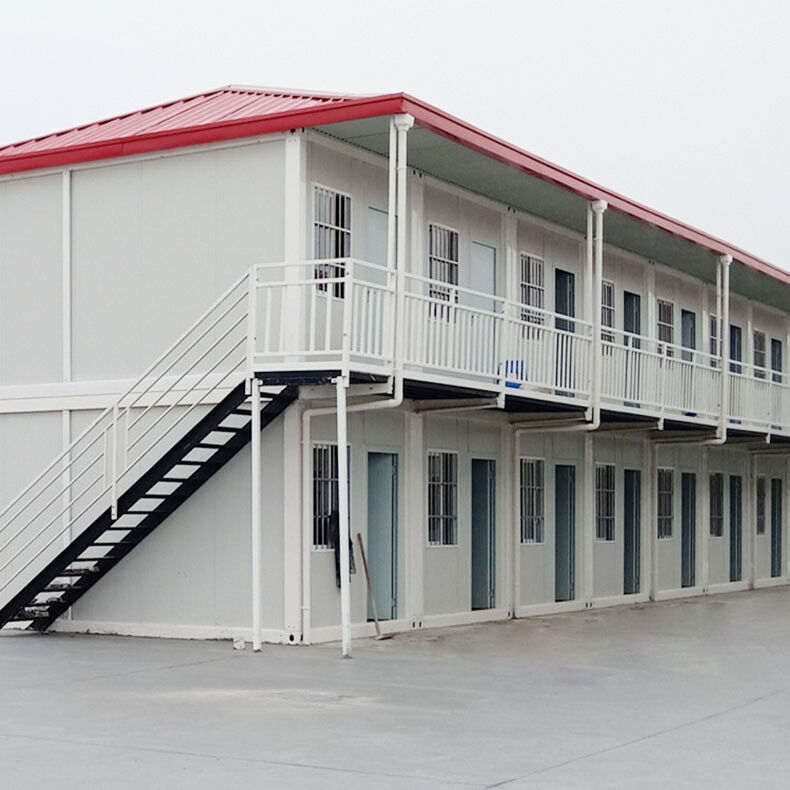
The Factory-First Approach That Redefines Construction Speed
Parallel Production and Site Preparation
One of the most significant time advantages of prefab houses comes from the ability to run two processes simultaneously. While the factory is manufacturing wall panels, floor systems, and roof components, site preparation work such as foundation laying, utility connections, and grading can proceed at the same time. In traditional construction, these phases are strictly sequential — the foundation must be complete before framing begins, and framing must be done before roofing can start.
This parallel workflow can compress a project timeline by 30 to 50 percent compared to conventional building methods. For a project that would normally take six months to complete on-site, prefab houses can realistically be assembled and ready for occupancy in three to four months. The time savings are not theoretical — they are built into the production model itself.
Factory environments are also not subject to weather delays. Rain, extreme heat, or cold snaps that would halt outdoor construction have no impact on indoor manufacturing. This consistency means production schedules are far more reliable, and delivery dates can be committed to with much greater confidence.
Precision Engineering Reduces Rework Time
Prefab houses are designed and manufactured using precise engineering specifications. Components are cut, assembled, and quality-checked in a controlled setting where tolerances are tightly managed. This level of precision dramatically reduces the amount of rework that typically occurs on traditional construction sites, where measurements taken in the field can vary and fitting errors require time-consuming corrections.
When prefab houses arrive on-site, the components are designed to fit together with minimal adjustment. Doors, windows, electrical conduits, and plumbing rough-ins are pre-positioned during manufacturing, so on-site trades workers spend far less time measuring, cutting, and fitting. The result is a faster assembly process that requires fewer skilled labor hours per square meter of finished space.
Rework is one of the most expensive and time-consuming elements of any construction project. By engineering accuracy into the manufacturing process, prefab houses eliminate a significant portion of this waste before the first component ever reaches the job site.
How Labor Requirements Are Reduced in Prefab Construction
Concentrated Skilled Labor in the Factory
Traditional construction requires skilled tradespeople — carpenters, electricians, plumbers, and structural workers — to be present on-site throughout the project. Coordinating these specialists, managing their schedules, and ensuring they are available when needed is a major source of project delays and cost overruns. Prefab houses shift much of this skilled labor requirement into the factory, where workers operate in a stable, efficient environment with consistent workflows.
In a factory setting, workers become highly specialized in specific tasks. A team that installs electrical wiring in prefab houses every day develops a level of speed and accuracy that field workers rotating between different projects simply cannot match. This specialization reduces the total number of labor hours required to complete the same scope of work.
The concentration of skilled labor in one location also simplifies workforce management. Supervisors can monitor quality in real time, address issues immediately, and maintain consistent production standards across every unit. This is far more difficult to achieve when workers are spread across multiple active construction sites.
Reduced On-Site Crew Size and Duration
When prefab houses are delivered to a site, the assembly process requires a much smaller crew than traditional construction. Rather than dozens of workers performing different tasks over many months, a compact team of assembly specialists can erect the structural shell of a prefab house in a matter of days. This reduction in on-site crew size has direct implications for labor costs, site safety management, and logistical complexity.
Smaller crews also mean less coordination overhead. Project managers spend less time scheduling, briefing, and supervising large groups of workers. The simplified on-site workflow allows for tighter project control and reduces the risk of miscommunication that often leads to costly errors in conventional builds.
For developers managing multiple projects simultaneously, the ability to deploy smaller, more efficient crews across several prefab houses sites is a significant operational advantage. It allows the same workforce to cover more ground without sacrificing quality or speed.
Supply Chain Efficiency and Material Waste Reduction
Optimized Material Procurement and Usage
Prefab houses benefit from a highly optimized supply chain that traditional construction projects rarely achieve. Because components are manufactured in bulk using standardized designs, materials can be ordered in large quantities at negotiated prices, reducing per-unit material costs. More importantly, factory-based cutting and assembly generates far less material waste than field construction, where offcuts and errors often result in significant material loss.
In a factory environment, every piece of lumber, steel, or insulation is used according to a precise plan. Computer-aided design and manufacturing systems ensure that material usage is optimized at the design stage, before a single component is produced. This efficiency not only reduces waste but also shortens the time spent managing and disposing of excess materials on-site.
For large-scale developments involving multiple prefab houses, the cumulative savings in material costs and waste management can be substantial. These savings contribute directly to the overall cost efficiency that makes prefab construction attractive to developers working within tight budget constraints.
Streamlined Logistics and Delivery Scheduling
The logistics of delivering prefab houses components to a site are carefully planned as part of the manufacturing process. Components are packaged, labeled, and sequenced for delivery in the order they will be assembled. This eliminates the chaotic material deliveries that often disrupt traditional construction sites, where materials arrive out of sequence and must be stored, moved, and sorted before use.
Efficient delivery scheduling means that on-site storage requirements are minimized. Components arrive when they are needed, reducing the risk of damage from prolonged outdoor storage and keeping the site organized and safe. This logistical discipline is a direct contributor to the faster assembly times that prefab houses consistently deliver.
When delivery and assembly are synchronized, the entire construction process flows more smoothly. Project managers can plan with confidence, knowing that materials will arrive on schedule and that the assembly crew will not be left waiting for components that have not yet been delivered.
Quality Control Advantages That Prevent Costly Delays
Inspection and Testing Before Delivery
One of the less obvious but highly impactful ways that prefab houses save time is through pre-delivery quality control. In a factory setting, every component can be inspected, tested, and certified before it leaves the production facility. Structural integrity, insulation performance, electrical systems, and waterproofing can all be verified under controlled conditions, long before the unit reaches the construction site.
This pre-delivery inspection process catches defects and non-conformances early, when they are far cheaper and faster to correct. In traditional construction, quality issues are often discovered during or after installation, requiring demolition and rework that can set a project back significantly. Prefab houses eliminate much of this risk by resolving quality issues at the source.
The result is a smoother on-site experience where assembly proceeds without unexpected interruptions. Inspectors and project owners can have greater confidence in the finished product, and the likelihood of post-occupancy defects requiring warranty repairs is substantially reduced.
Consistent Standards Across Multiple Units
For developers building multiple prefab houses within a single development, factory production ensures that every unit meets the same quality standard. This consistency is extremely difficult to achieve in traditional construction, where different crews, varying site conditions, and human variability inevitably produce differences between units.
Consistent quality across all units simplifies the final inspection and handover process. Rather than conducting detailed inspections of each unit individually and addressing a unique set of defects in each one, project teams can apply standardized inspection protocols that reflect the known quality baseline of the manufacturing process.
This consistency also builds trust with buyers and end users. When prefab houses are delivered to a predictable standard, the reputation of the developer is protected and the likelihood of disputes or complaints is reduced. Quality consistency is not just a construction advantage — it is a business advantage.
FAQ
How much faster is prefab house construction compared to traditional building?
Prefab houses can typically be completed 30 to 50 percent faster than traditionally built structures of comparable size. The exact time savings depend on the complexity of the design, site conditions, and the scale of the project, but the parallel production model consistently delivers faster results than sequential on-site construction.
Do prefab houses require fewer workers on-site?
Yes. Because most of the skilled labor is performed in the factory during manufacturing, the on-site crew required to assemble prefab houses is significantly smaller than a traditional construction crew. Assembly teams are specialized and efficient, and the total number of on-site labor hours per square meter is substantially lower than in conventional builds.
Are prefab houses suitable for large-scale commercial or residential developments?
Prefab houses are well-suited to large-scale developments precisely because the factory production model scales efficiently. As the number of units increases, the per-unit cost of design, tooling, and logistics decreases, and the consistency of quality across all units becomes easier to maintain. Many developers use prefab construction specifically for high-volume residential projects where speed and cost control are priorities.
Does the time saved in construction affect the overall quality of prefab houses?
The time savings in prefab houses do not come at the expense of quality. In fact, factory-controlled manufacturing typically produces more consistent and verifiable quality than field construction. The speed advantage comes from process efficiency — parallel production, precision engineering, and optimized logistics — rather than from cutting corners on materials or workmanship.