EN
EN
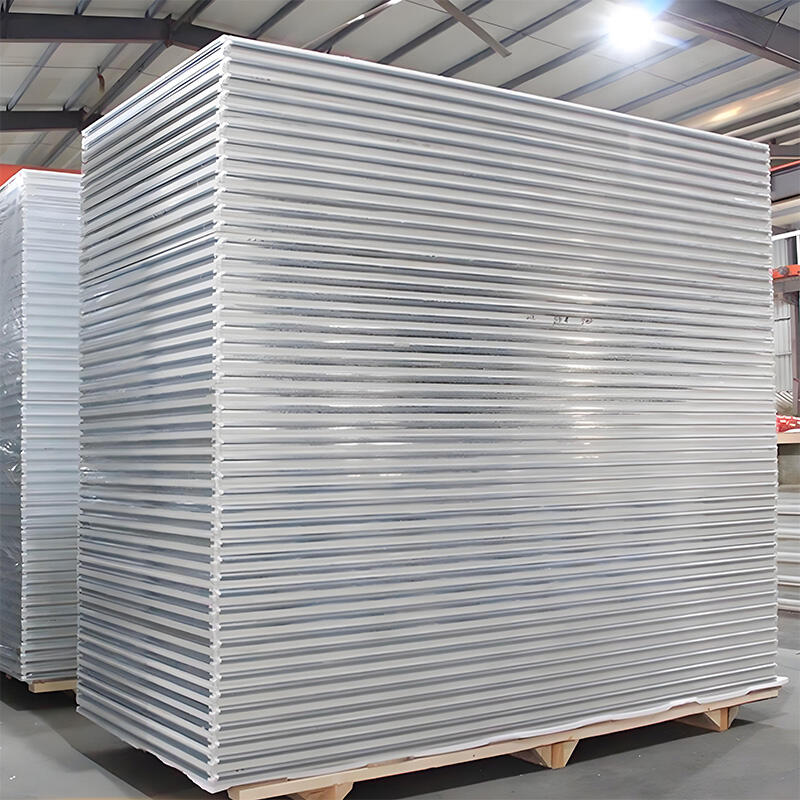
Deploying a foldable container house in minutes has revolutionized temporary housing solutions across construction sites, disaster relief areas, and remote work locations. The innovative engineering behind modern foldable container house designs allows these structures to transform from compact shipping configurations into fully functional living spaces through systematic deployment processes that eliminate traditional construction delays and complexity.
Understanding the rapid deployment methodology of a foldable container house requires knowledge of pre-engineered folding mechanisms, structural assembly sequences, and connection systems that enable swift transformation from transport mode to operational housing unit. This comprehensive deployment process encompasses preparation steps, systematic unfolding procedures, and final setup verification to ensure structural integrity and habitability within minutes rather than days or weeks required by conventional construction methods.
Pre-Deployment Preparation and Site Requirements
Foundation and Ground Preparation Standards
Successful deployment of a foldable container house begins with proper site preparation that ensures structural stability and drainage. The foundation requirements typically involve leveling a rectangular area measuring the expanded dimensions of the container unit, usually 20 feet by 8 feet for standard models. Ground preparation includes removing debris, establishing proper grade for water runoff, and creating a stable base using concrete pads, gravel beds, or adjustable leveling systems.
Site accessibility plays a crucial role in foldable container house deployment speed, requiring clear pathways for delivery vehicles and adequate maneuvering space around the installation area. The preparation phase also involves verifying utility connection points for electrical, water, and sewage systems if permanent installations are planned. Proper site preparation reduces deployment time significantly by eliminating delays during the unfolding and setup process.
Equipment and Tool Requirements
Deploying a foldable container house requires specific tools and equipment to facilitate safe and efficient assembly. Essential equipment includes hydraulic lifting systems or manual cranks for controlled unfolding, power drills for securing connection points, and leveling instruments to ensure proper alignment. Safety equipment such as hard hats, work gloves, and steel-toed boots protect deployment personnel during the setup process.
The foldable container house deployment kit typically includes all necessary hardware, fasteners, and connection components pre-organized for sequential installation. Having the complete tool set and hardware inventory readily available eliminates delays and ensures the deployment process proceeds smoothly from initial unfolding through final inspection and occupancy preparation.
Step-by-Step Deployment Sequence
Initial Unfolding and Framework Extension
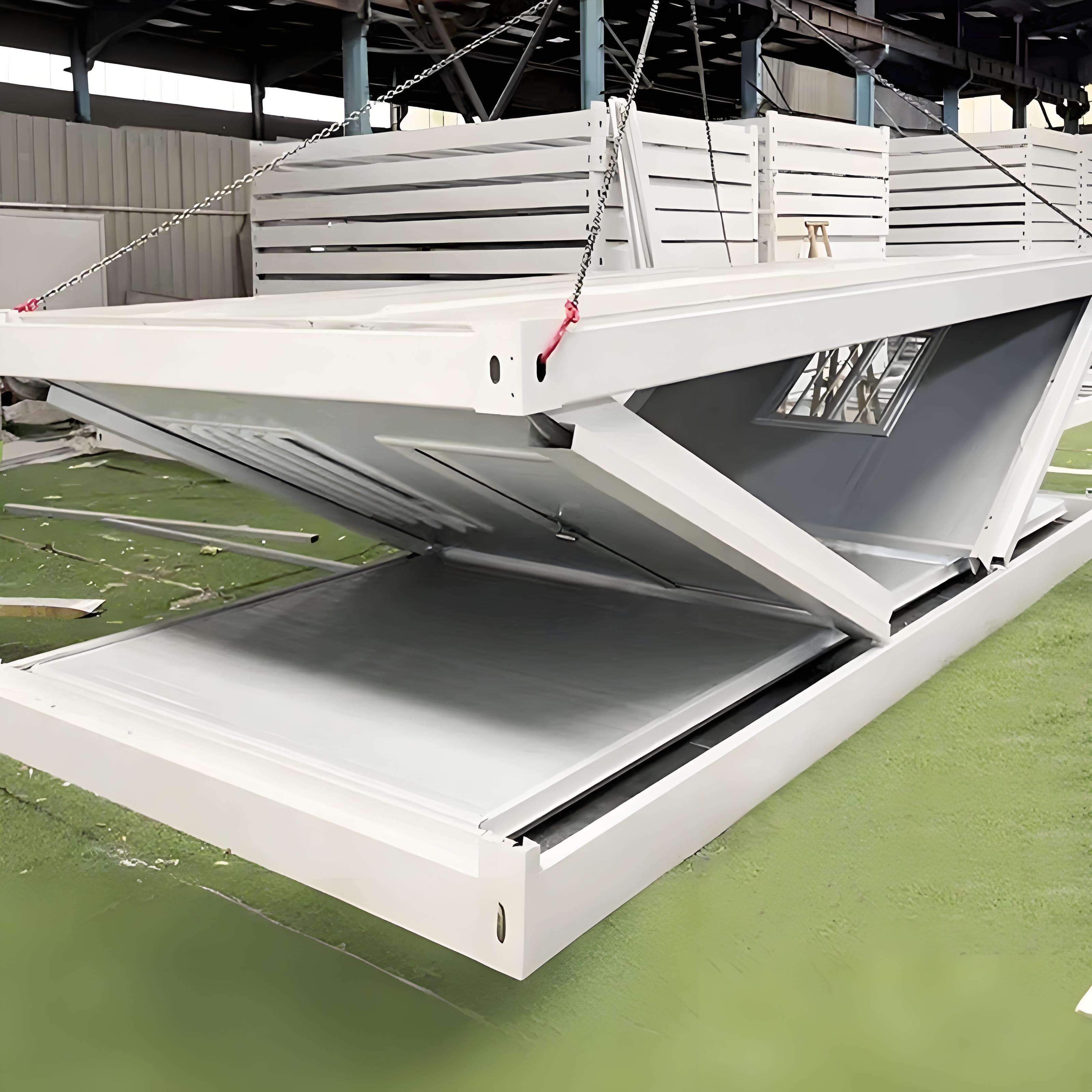
The deployment sequence for a foldable container house begins with releasing transport locks and activating the primary unfolding mechanism. Modern foldable container house designs incorporate hydraulic or mechanical systems that control the expansion process, preventing rapid unfolding that could cause structural damage or safety hazards. The initial unfolding typically extends the width dimension first, followed by height adjustment through roof panel elevation.
Framework extension involves systematic deployment of wall panels, floor sections, and structural supports in predetermined sequence. Each foldable container house includes detailed deployment instructions with visual guides showing proper panel alignment and connection points. The framework extension phase typically requires 2-3 minutes for experienced deployment teams working with well-maintained equipment.
Panel Locking and Structural Connections
Once the primary framework reaches full extension, the deployment process advances to securing panel connections and activating locking mechanisms. Wall panels, roof sections, and floor components feature engineered connection systems that ensure structural integrity while maintaining deployment speed. These connections typically involve cam-lock mechanisms, pin-and-socket systems, or quick-release fasteners designed for tool-free operation.
Structural connections in a foldable container house must achieve building code compliance for wind loads, seismic forces, and occupancy safety requirements. The locking sequence follows engineered specifications that distribute structural loads properly throughout the assembled unit. Proper execution of the locking sequence ensures the deployed foldable container house meets safety standards while maintaining the rapid deployment advantage.
Utility Integration and System Activation
Electrical and Power System Setup
Utility integration represents a critical deployment phase that transforms a foldable container house from basic shelter into functional living space. Electrical system activation involves connecting pre-installed wiring harnesses to external power sources or onboard generator systems. Many foldable container house models include integrated electrical panels with circuit breakers, outlets, and lighting fixtures that activate automatically upon power connection.
The electrical deployment process includes testing all circuits, verifying ground fault protection, and ensuring proper operation of lighting, heating, and cooling systems. Advanced foldable container house designs incorporate smart electrical systems with remote monitoring capabilities and energy management features. Electrical system setup typically adds 1-2 minutes to the overall deployment timeline while providing essential functionality for occupant comfort and safety.
Plumbing and Water System Connections
Water system integration in a foldable container house involves connecting pre-installed plumbing to external water supplies or onboard storage tanks. The plumbing system deployment includes activating water pumps, checking pressure settings, and testing all fixtures for proper operation. Many models feature compact bathroom facilities with integrated water heating systems that activate during the deployment sequence.
Waste management connections require proper interface with septic systems, municipal sewer connections, or portable waste collection systems depending on site conditions and intended use duration. The plumbing deployment process ensures all water and waste systems operate properly before occupancy, maintaining sanitation standards while preserving the rapid deployment advantage of the foldable container house design.
Quality Verification and Safety Inspection
Structural Integrity Validation
Post-deployment verification ensures the foldable container house achieves full structural integrity and occupancy readiness. The inspection process includes checking all connection points, verifying panel alignment, and testing structural components under load conditions. Visual inspection identifies any deployment issues such as incomplete locking mechanisms, misaligned panels, or compromised sealing systems that could affect performance or safety.
Structural validation of a deployed foldable container house involves measuring dimensional accuracy, checking level and square conditions, and verifying that all mechanical systems function properly. The inspection process typically requires 2-3 minutes for experienced personnel using standardized checklists. Proper validation ensures the deployed unit meets safety requirements and provides reliable service throughout its intended operational period.
Environmental Sealing and Weather Protection
Weather sealing verification ensures the deployed foldable container house provides adequate protection against environmental conditions including rain, wind, temperature extremes, and humidity. The sealing inspection covers door and window gaskets, panel joints, roof connections, and foundation interfaces. Proper sealing prevents moisture infiltration, air leakage, and thermal bridging that could compromise occupant comfort or structural longevity.
Environmental protection systems in a foldable container house include insulation panels, vapor barriers, and ventilation systems that activate during deployment. The inspection process verifies these systems operate correctly and provide the intended environmental control. Completing the environmental sealing verification ensures the deployed foldable container house delivers reliable performance under various weather conditions while maintaining energy efficiency.
Deployment Optimization and Best Practices
Team Coordination and Safety Protocols
Optimizing foldable container house deployment requires coordinated team efforts following established safety protocols and communication procedures. Deployment teams typically consist of 2-4 trained personnel with designated roles including equipment operation, safety monitoring, and quality verification. Clear communication protocols ensure coordination during critical deployment phases such as panel unfolding, lifting operations, and utility connections.
Safety protocols for foldable container house deployment include personal protective equipment requirements, equipment operation guidelines, and emergency response procedures. Training programs ensure deployment personnel understand proper techniques, safety requirements, and troubleshooting procedures. Following established protocols reduces deployment time while maintaining safety standards and preventing accidents that could delay project completion or cause injuries.
Maintenance and Deployment Efficiency
Maintaining peak deployment efficiency requires regular maintenance of foldable container house mechanisms, lubrication of moving parts, and inspection of wear components. Preventive maintenance programs ensure deployment systems operate smoothly and reliably, preventing mechanical failures that could extend deployment time or require field repairs. Well-maintained foldable container house units consistently achieve target deployment times while minimizing operational disruptions.
Deployment efficiency improvements come through experience, equipment upgrades, and process refinements based on field performance data. Advanced foldable container house models incorporate design improvements that reduce deployment complexity while maintaining structural performance. Continuous improvement efforts help deployment teams achieve faster setup times while ensuring quality and safety standards remain uncompromised throughout the process.
FAQ
How long does it actually take to fully deploy a foldable container house?
A complete foldable container house deployment typically takes 5-15 minutes from arrival on site to full occupancy readiness, depending on the unit size, complexity, and team experience. Simple models with basic utilities can deploy in under 5 minutes, while larger units with comprehensive utility systems may require up to 15 minutes. The deployment time includes unfolding, structural connections, utility activation, and safety verification.
What site conditions are required for successful deployment?
Successful foldable container house deployment requires a level, stable surface with adequate drainage and clear access for delivery vehicles. The site should be prepared with appropriate foundation support such as concrete pads or compacted gravel beds. Utility connections for power, water, and waste management should be readily accessible if permanent installation is planned. Weather conditions should allow safe operation of deployment equipment and personnel.
Can a foldable container house be redeployed to different locations?
Yes, foldable container house units are designed for multiple deployments and relocations throughout their service life. The folding mechanism allows the unit to return to compact shipping configuration for transport to new locations. Proper maintenance of folding mechanisms and connection systems ensures reliable redeployment capability. Most units can withstand dozens of deployment cycles when properly maintained and operated according to manufacturer specifications.
What training is required for deployment personnel?
Foldable container house deployment requires basic training covering safety protocols, equipment operation, and assembly procedures. Most manufacturers provide deployment training programs lasting 4-8 hours including hands-on practice with actual units. Personnel should understand mechanical systems, safety requirements, and troubleshooting procedures. Certification programs ensure deployment teams maintain competency and stay current with safety standards and best practices.