EN
EN
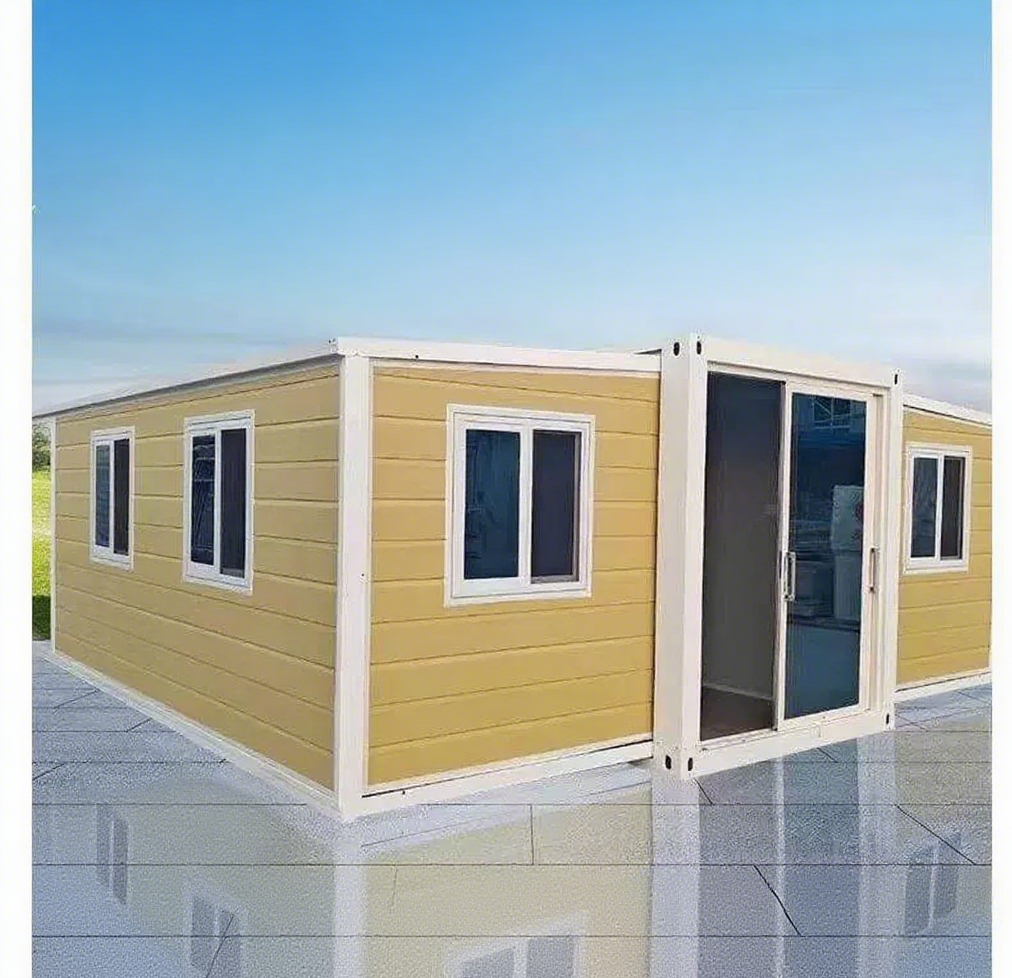
Modular houses revolutionize the construction industry by dramatically reducing project timelines through innovative prefabrication processes and streamlined assembly methods. Unlike traditional on-site construction, modular houses are manufactured in controlled factory environments while site preparation occurs simultaneously, creating a parallel construction approach that can cut total project time by 30-50%. This time reduction stems from eliminating weather delays, optimizing material logistics, and implementing standardized manufacturing processes that ensure consistent quality and faster completion rates.
The time-saving benefits of modular houses extend beyond simple speed improvements, encompassing enhanced project predictability, reduced labor dependencies, and minimized construction-related disruptions. These prefabricated structures utilize precision manufacturing techniques that eliminate many variables associated with traditional building methods, resulting in more accurate scheduling and faster occupancy timelines. Understanding how modular houses achieve these time reductions reveals why developers, contractors, and property owners increasingly choose this construction approach for residential, commercial, and institutional projects.
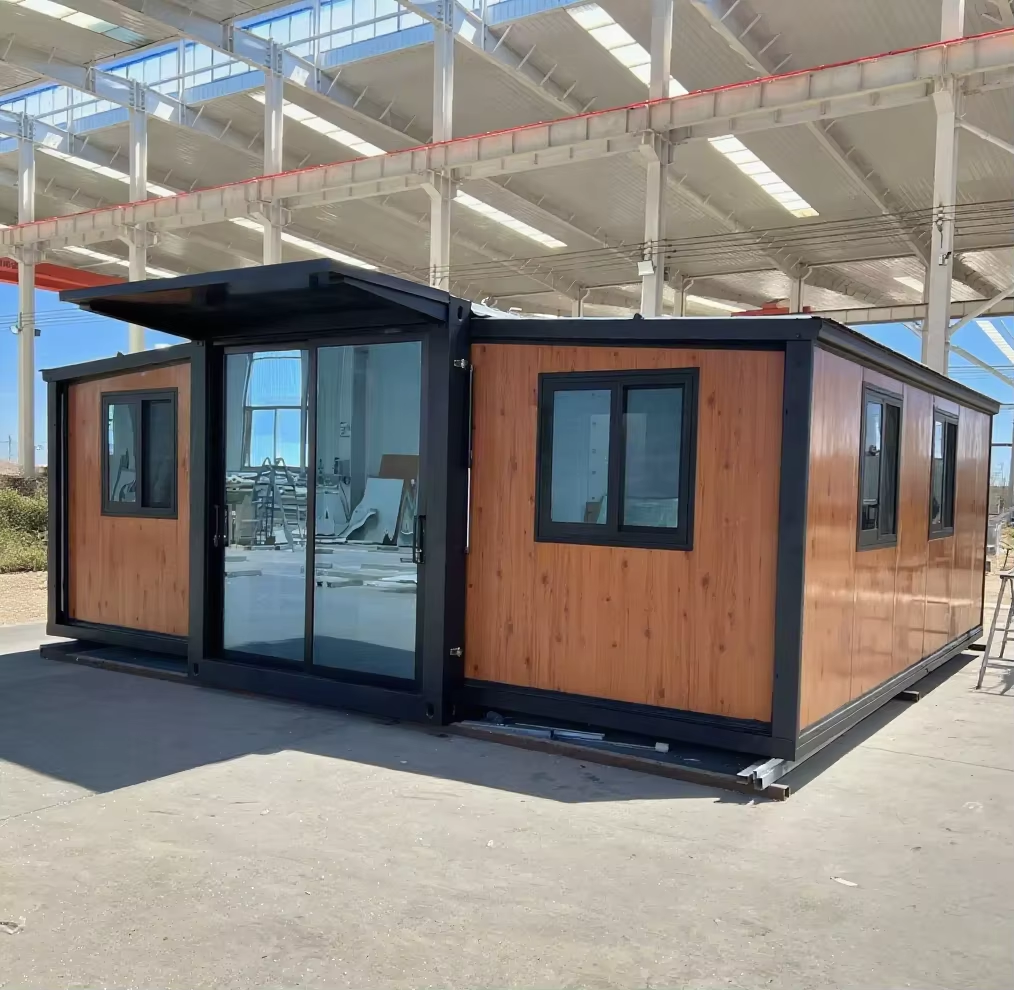
Factory-Based Manufacturing Advantages
Controlled Environment Production
Modular houses benefit from factory-controlled manufacturing environments that eliminate weather-related delays and seasonal construction limitations. Production facilities operate year-round regardless of external conditions, allowing continuous manufacturing schedules that maintain consistent progress toward project completion. This controlled environment enables manufacturers to maintain optimal working conditions, ensuring worker productivity remains high while eliminating the downtime associated with rain, snow, extreme temperatures, or high winds that frequently halt traditional construction sites.
Factory settings also provide superior quality control measures that reduce rework and associated time delays. Modular houses undergo rigorous inspection processes at multiple production stages, identifying and correcting issues before modules leave the facility. This proactive quality management approach prevents the costly delays and extensive remediation work often required when problems are discovered after traditional on-site construction completion. The result is a more predictable timeline with fewer unexpected delays that can extend project schedules by weeks or months.
Standardized Assembly Processes
Manufacturing facilities utilize standardized assembly line processes that optimize worker efficiency and reduce construction time for modular houses. These streamlined workflows incorporate specialized tools, equipment, and techniques specifically designed for modular construction, enabling faster completion of individual building components. Workers develop expertise in specific assembly tasks, increasing their speed and accuracy while reducing the learning curve associated with complex construction procedures performed on traditional building sites.
The standardization inherent in modular houses manufacturing also facilitates better material planning and inventory management, reducing delays caused by material shortages or delivery scheduling conflicts. Factories maintain optimal material stock levels and establish reliable supplier relationships that ensure consistent material availability. This systematic approach to resource management eliminates the material-related delays that frequently impact traditional construction projects, where weather, transportation issues, or supplier problems can halt progress for extended periods.
Parallel Construction Activities
Simultaneous Site and Module Preparation
One of the most significant time-saving aspects of modular houses involves the ability to conduct site preparation and module manufacturing simultaneously. While foundation work, utility installation, and site development occur on the building location, factory teams manufacture the modular houses components in parallel. This dual-track approach effectively doubles the productive work happening during the early project phases, significantly compressing the overall timeline compared to sequential traditional construction methods.
Site preparation for modular houses typically requires less time than traditional construction because the foundation and utility requirements are precisely defined during the design phase. This pre-planning eliminates field modifications and reduces the uncertainty that often extends site preparation timelines. Additionally, since modular houses arrive as substantially complete units, site preparation can focus on essential infrastructure without accommodating the extensive staging areas, material storage zones, and equipment access routes required for traditional construction projects.
Reduced On-Site Assembly Time
The on-site assembly phase for modular houses represents a fraction of the time required for traditional construction because modules arrive substantially complete with electrical, plumbing, and interior finishes already installed. Assembly crews focus primarily on positioning modules, connecting utility systems, and completing exterior finishing work rather than performing extensive construction activities. This streamlined approach typically reduces on-site construction time to days or weeks rather than the months required for comparable traditional buildings.
Professional installation teams specializing in modular houses bring focused expertise and specialized equipment that further accelerate the assembly process. These crews understand the specific requirements for module positioning, connection procedures, and finishing techniques, eliminating the learning curve and trial-and-error approaches that can slow traditional construction progress. Their experience with modular systems enables rapid problem-solving and efficient completion of assembly tasks that might challenge general construction crews unfamiliar with modular construction methods.
Streamlined Design and Approval Processes
Pre-Approved Building Systems
Many modular houses utilize pre-approved building systems and standardized designs that have already undergone regulatory review and approval processes. This pre-approval status eliminates the extensive design review periods and iterative approval cycles that can extend traditional construction project timelines by months. Building departments familiar with specific modular systems can process permits more quickly, recognizing that the structural, electrical, and mechanical systems have been previously validated for code compliance.
The standardization inherent in modular houses design also facilitates faster engineering review and approval processes. Rather than creating entirely custom structural solutions, modular manufacturers work with proven designs that have established performance records and regulatory acceptance. This approach reduces the technical review time required for structural calculations, mechanical system designs, and other engineering elements that must be individually evaluated for custom traditional construction projects.
Reduced Design Development Time
Modular houses often utilize catalog-based design approaches that significantly reduce the architectural development time compared to fully custom traditional construction. Clients can select from proven floor plans and modify them within established parameters rather than starting from completely blank design foundations. This structured design process eliminates many of the iterative design cycles that extend traditional project timelines while still providing meaningful customization options for specific client requirements.
The design constraints inherent in modular houses manufacturing also force early decision-making that prevents the design changes and revisions that frequently delay traditional construction projects. Once modular production begins, modifications become costly and time-consuming, encouraging clients and designers to finalize decisions earlier in the process. This front-loaded decision-making approach eliminates the mid-construction changes that often extend traditional building timelines and increase costs significantly.
Optimized Material and Labor Management
Efficient Material Utilization
Factory-based production of modular houses enables more efficient material utilization through bulk purchasing, precise cutting, and minimal waste generation. Manufacturers can optimize material orders based on production schedules, reducing the delivery coordination challenges that often delay traditional construction sites. Additionally, factory settings provide secure, climate-controlled storage for materials, eliminating weather damage, theft, and deterioration issues that can require material replacement and extend construction timelines.
The precision manufacturing processes used for modular houses also reduce material waste through optimized cutting patterns and component standardization. This efficiency translates to time savings by eliminating the need to reorder materials due to waste, damage, or miscalculation. Factory production enables accurate material quantity planning that reduces both excess inventory and shortage situations that can halt construction progress while waiting for additional material deliveries.
Specialized Labor Force
Modular houses manufacturing benefits from specialized labor forces that develop expertise in specific construction techniques and assembly procedures. Factory workers become highly proficient in their assigned tasks, increasing productivity and reducing the time required to complete individual components. This specialization contrasts with traditional construction where workers must adapt to various tasks and changing site conditions, often reducing overall efficiency and extending completion timelines.
The controlled factory environment also enables manufacturers to maintain consistent staffing levels regardless of seasonal variations or local labor market fluctuations that can delay traditional construction projects. Modular houses production facilities can plan workforce requirements more accurately and provide stable employment that attracts skilled workers, reducing the labor shortage issues that increasingly impact traditional construction schedules in many markets.
FAQ
How much faster can modular houses be completed compared to traditional construction?
Modular houses typically reduce total construction time by 30-50% compared to traditional on-site construction methods. While traditional homes may require 4-6 months for completion, comparable modular houses can be finished in 6-12 weeks from production start to move-in ready status. The exact time savings depend on project complexity, size, customization requirements, and local approval processes, but the parallel manufacturing and site preparation approach consistently delivers significant timeline compression.
What factors most contribute to the time savings achieved with modular houses?
The primary time-saving factors for modular houses include weather-independent factory production, simultaneous site preparation and module manufacturing, pre-approved building systems that accelerate permitting, and standardized assembly processes that reduce on-site construction time. Additionally, controlled quality management in factory settings reduces rework delays, while specialized labor forces increase productivity and reduce the variability that extends traditional construction timelines.
Do modular houses face any delays that traditional construction avoids?
While modular houses generally achieve faster completion times, they can face specific delays related to transportation scheduling, crane availability for module placement, and coordination between factory production and site readiness. Weather can still impact delivery and assembly schedules, though to a lesser extent than traditional construction. However, these potential delays are typically shorter and more predictable than the weather, material, and labor-related delays commonly experienced with traditional construction methods.
Can complex architectural designs still achieve time savings with modular construction?
Complex modular houses designs can still achieve significant time savings compared to traditional construction, though the advantages may be somewhat reduced depending on customization requirements. Highly customized modular projects benefit from factory production quality control, weather independence, and parallel construction activities, but may require additional design development time and specialized manufacturing processes. Most modular manufacturers can accommodate substantial design complexity while maintaining meaningful schedule advantages over traditional construction approaches.
Table of Contents
- Factory-Based Manufacturing Advantages
- Parallel Construction Activities
- Streamlined Design and Approval Processes
- Optimized Material and Labor Management
-
FAQ
- How much faster can modular houses be completed compared to traditional construction?
- What factors most contribute to the time savings achieved with modular houses?
- Do modular houses face any delays that traditional construction avoids?
- Can complex architectural designs still achieve time savings with modular construction?