EN
EN
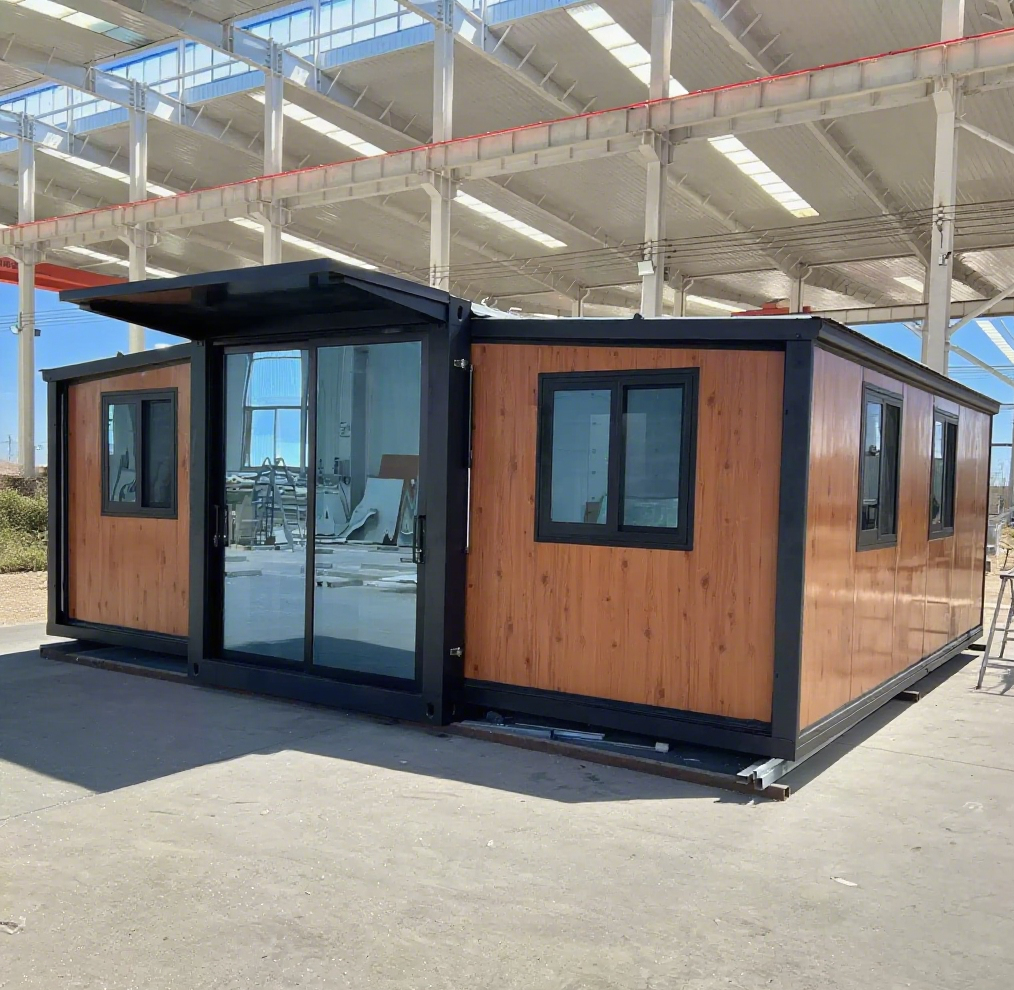
Foldable container houses represent a revolutionary advancement in modular construction technology, offering unprecedented flexibility and efficiency in temporary and permanent housing solutions. These innovative structures combine the durability of traditional shipping containers with the convenience of collapsible design, creating versatile living and working spaces that can be quickly deployed, relocated, and reconfigured as needed. The growing demand for sustainable, cost-effective housing alternatives has positioned foldable container houses as a compelling solution for diverse applications ranging from emergency relief to commercial developments.
Understanding the key benefits of foldable container houses is essential for organizations, developers, and individuals considering this innovative housing technology. From significant cost savings and rapid deployment capabilities to environmental sustainability and design flexibility, these structures offer numerous advantages over traditional construction methods. The unique characteristics of foldable container houses make them particularly valuable in scenarios requiring quick setup, frequent relocation, or scalable housing solutions across various industries and applications.
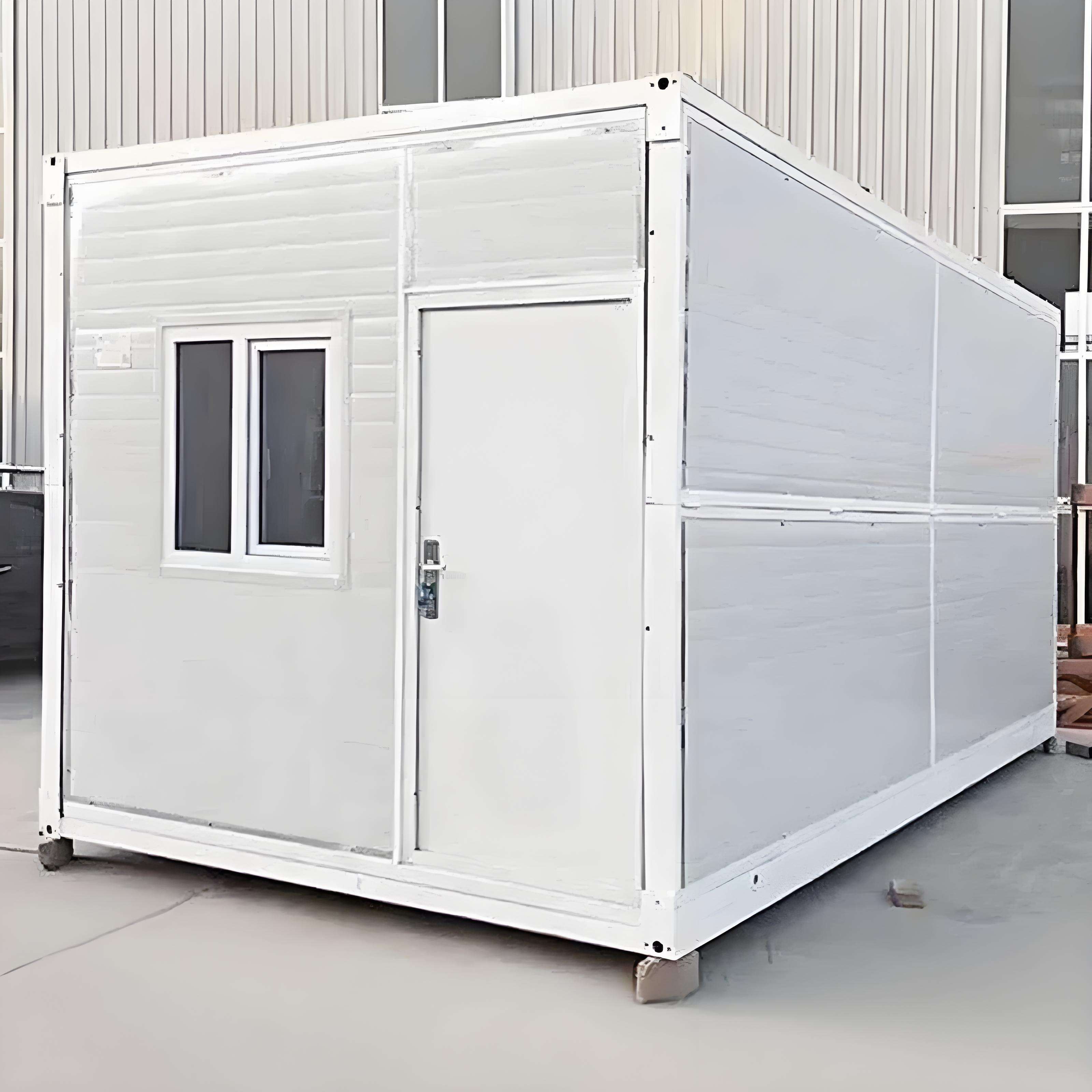
Economic Advantages and Cost Efficiency
Reduced Initial Investment Requirements
Foldable container houses deliver substantial cost savings compared to conventional construction methods, primarily through reduced material requirements and simplified assembly processes. The prefabricated nature of these structures eliminates the need for extensive on-site construction work, significantly reducing labor costs and project timelines. Organizations can achieve up to 60% cost savings compared to traditional building methods, making foldable container houses an attractive option for budget-conscious projects and large-scale developments.
The standardized manufacturing process ensures consistent quality while maintaining competitive pricing structures. Bulk purchasing opportunities further enhance cost efficiency, particularly for organizations requiring multiple units for camps, villages, or residential complexes. The predictable cost structure of foldable container houses enables better project planning and budget management, eliminating many of the cost overruns commonly associated with traditional construction projects.
Long-term Operational Savings
Beyond initial investment benefits, foldable container houses offer ongoing operational advantages that contribute to long-term cost efficiency. The durable steel construction requires minimal maintenance compared to traditional building materials, reducing ongoing upkeep expenses and extending the useful life of the structures. Energy-efficient design features and insulation options help minimize utility costs, while the modular nature allows for easy expansion or reconfiguration without major renovation expenses.
The reusability factor of foldable container houses provides exceptional value retention, as units can be relocated and repurposed for different projects throughout their lifecycle. This flexibility enables organizations to maximize their return on investment by adapting housing solutions to changing needs and requirements without requiring complete replacement of existing structures.
Rapid Deployment and Installation Benefits
Quick Setup and Assembly Process
One of the most compelling benefits of foldable container houses is their remarkably quick deployment capability, with complete assembly possible within hours rather than weeks or months required for traditional construction. The pre-engineered design and standardized components enable rapid on-site assembly using basic tools and minimal skilled labor, making these structures ideal for urgent housing needs and time-sensitive projects.
The folding mechanism allows multiple units to be transported efficiently and stored compactly until needed, then quickly unfolded and assembled at the deployment site. This rapid deployment capability makes foldable container houses particularly valuable for emergency response situations, temporary workforce accommodation, and seasonal applications where quick setup is essential for project success.
Minimal Site Preparation Requirements
Foldable container houses require minimal site preparation compared to traditional construction, further accelerating project timelines and reducing associated costs. The self-supporting structure can be installed on various foundation types, including concrete pads, gravel bases, or even temporary supports, depending on the intended use duration and local requirements. This flexibility in foundation requirements enables deployment in challenging locations where extensive site preparation would be prohibitively expensive or time-consuming.
The reduced site preparation requirements also minimize environmental impact and allow for easier site restoration when structures are relocated or removed. This benefit is particularly valuable for temporary installations in sensitive environments or locations where permanent alterations to the landscape are not desirable or permitted.
Flexibility and Adaptability Advantages
Modular Design and Scalability
The modular nature of foldable container houses provides exceptional flexibility in creating customized solutions for diverse housing needs and spatial requirements. Individual units can be combined, stacked, or arranged in various configurations to create larger living spaces, multi-room facilities, or complex building layouts. This scalability enables organizations to start with basic housing requirements and expand or modify their facilities as needs evolve over time.
The standardized dimensions and connection systems of foldable container houses facilitate seamless integration between units, creating cohesive larger structures while maintaining the benefits of modular construction. This flexibility extends to interior layout options, with removable partitions and customizable fixtures allowing for adaptation to specific functional requirements without compromising structural integrity.
Relocation and Reuse Capabilities
Foldable container houses offer unmatched mobility and reusability, allowing structures to be relocated to new sites as project requirements change or evolve. The ability to fold units back to compact dimensions enables efficient transportation and storage between deployments, maximizing the utility value of each investment. This relocatable characteristic is particularly beneficial for organizations with changing geographic requirements or seasonal operations.
The reuse potential of foldable container houses extends their useful life significantly beyond traditional temporary structures, providing long-term value through multiple deployment cycles. Organizations can maintain inventory of folded units for rapid deployment to new locations, creating a flexible housing resource that can respond quickly to changing operational needs and market opportunities.
Environmental Sustainability Benefits
Reduced Environmental Impact
Foldable container houses contribute to environmental sustainability through multiple mechanisms, including reduced material waste, lower energy consumption during construction, and minimal site disturbance during installation and removal. The prefabricated manufacturing process generates significantly less waste compared to on-site construction, while the reusable nature of the structures reduces the overall demand for new building materials throughout their lifecycle.
The compact folded dimensions enable efficient transportation with reduced fuel consumption and carbon emissions compared to traditional modular buildings. The ability to relocate and reuse structures multiple times further amplifies environmental benefits by extending the useful life of materials and reducing the need for disposal and replacement of temporary housing solutions.
Energy Efficiency and Green Features
Modern foldable container houses incorporate energy-efficient design elements and sustainable features that minimize environmental impact during operation. Advanced insulation systems, energy-efficient windows, and optimized ventilation designs reduce heating and cooling requirements, lowering overall energy consumption and associated carbon emissions. Optional renewable energy integration capabilities enable completely off-grid operation in suitable locations.
The steel construction materials used in foldable container houses are highly recyclable at the end of their service life, supporting circular economy principles and reducing landfill waste. Water conservation features and sustainable material options further enhance the environmental credentials of these innovative housing solutions.
Durability and Performance Characteristics
Structural Integrity and Weather Resistance
Foldable container houses are engineered to provide exceptional structural integrity and weather resistance, utilizing high-strength steel construction that can withstand extreme weather conditions and heavy loads. The robust frame design ensures stability during folding, transport, and operational phases, while advanced corrosion protection treatments extend the service life in challenging environmental conditions.
Wind resistance capabilities and seismic design considerations make foldable container houses suitable for deployment in areas prone to natural disasters or severe weather events. The enclosed design provides protection from dust, moisture, and temperature extremes, ensuring comfortable living conditions across diverse climate zones and seasonal variations.
Quality Control and Manufacturing Standards
The factory-controlled manufacturing environment of foldable container houses enables consistent quality control and adherence to strict building standards, resulting in more reliable performance compared to field-constructed alternatives. Standardized production processes ensure uniform quality across all units, while comprehensive testing procedures validate structural performance and safety characteristics before delivery.
Advanced manufacturing techniques and quality materials contribute to the longevity and reliability of foldable container houses, providing users with confidence in long-term performance and minimal maintenance requirements. The controlled production environment eliminates many of the quality variables associated with on-site construction, resulting in more predictable and reliable housing solutions.
FAQ
How long does it take to assemble a foldable container house?
A single foldable container house can typically be assembled by a small team within 2-4 hours, depending on the specific model and site conditions. This rapid assembly time includes unfolding the structure, securing connections, and completing basic setup. More complex configurations with multiple units or specialized features may require additional time, but the assembly process remains significantly faster than traditional construction methods.
What is the expected lifespan of foldable container houses?
Foldable container houses are designed for durability and can provide 15-25 years of service life with proper maintenance, depending on usage intensity and environmental conditions. The high-quality steel construction and protective coatings ensure long-term structural integrity, while the ability to relocate and refurbish units can extend their useful life even further. Regular maintenance and appropriate usage patterns significantly influence the actual lifespan achieved.
Are foldable container houses suitable for permanent residential use?
Yes, foldable container houses can be designed and configured for permanent residential use when properly insulated, finished, and connected to utilities. Many models offer residential-grade features including full kitchens, bathrooms, and living areas that meet local building codes and comfort standards. However, local zoning regulations and building permits should be verified before using these structures for permanent housing applications.
What utilities and services can be connected to foldable container houses?
Foldable container houses can accommodate standard utility connections including electricity, water, sewer, internet, and telecommunications services. Pre-installed utility rough-ins and connection points facilitate quick hookup to existing infrastructure or temporary service systems. Solar power systems, water storage tanks, and waste management solutions can also be integrated for off-grid applications or locations without existing utility infrastructure.