EN
EN
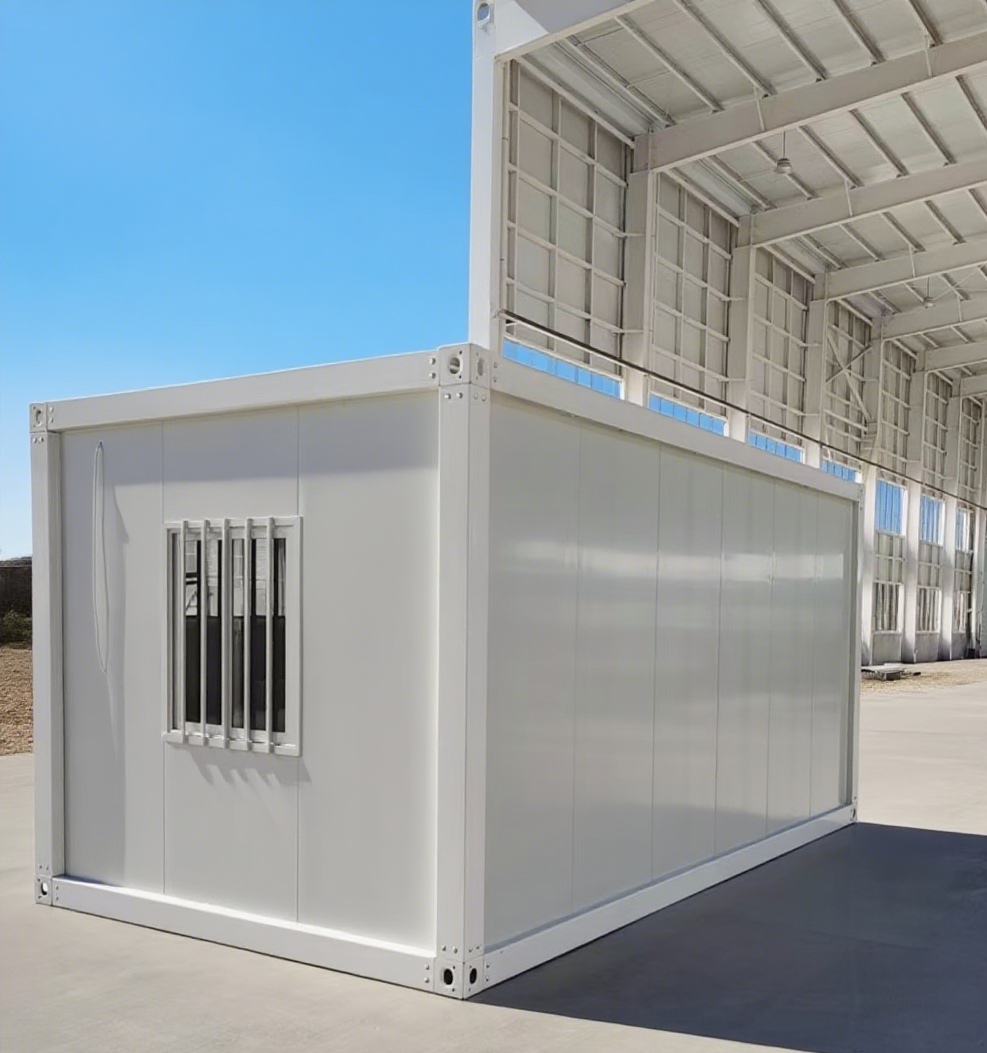
The construction and housing industry has seen a dramatic shift in how temporary and permanent structures are designed, deployed, and managed. Among the most practical innovations to emerge in recent years, foldable container houses have carved out a significant role across industries ranging from mining and construction to disaster relief and remote workforce accommodation. Their rise is not a trend driven by novelty — it is a response to real operational demands that traditional building methods simply cannot meet.
Understanding the key benefits of foldable container houses requires looking beyond the surface appeal of portability. These structures offer a combination of speed, cost efficiency, structural durability, and logistical flexibility that makes them genuinely competitive with conventional modular and permanent building solutions. Whether you are managing a remote mining camp, setting up a temporary site office, or planning scalable workforce housing, the advantages of foldable container houses are both measurable and strategically significant.
Rapid Deployment and Setup Efficiency
From Delivery to Occupancy in Hours
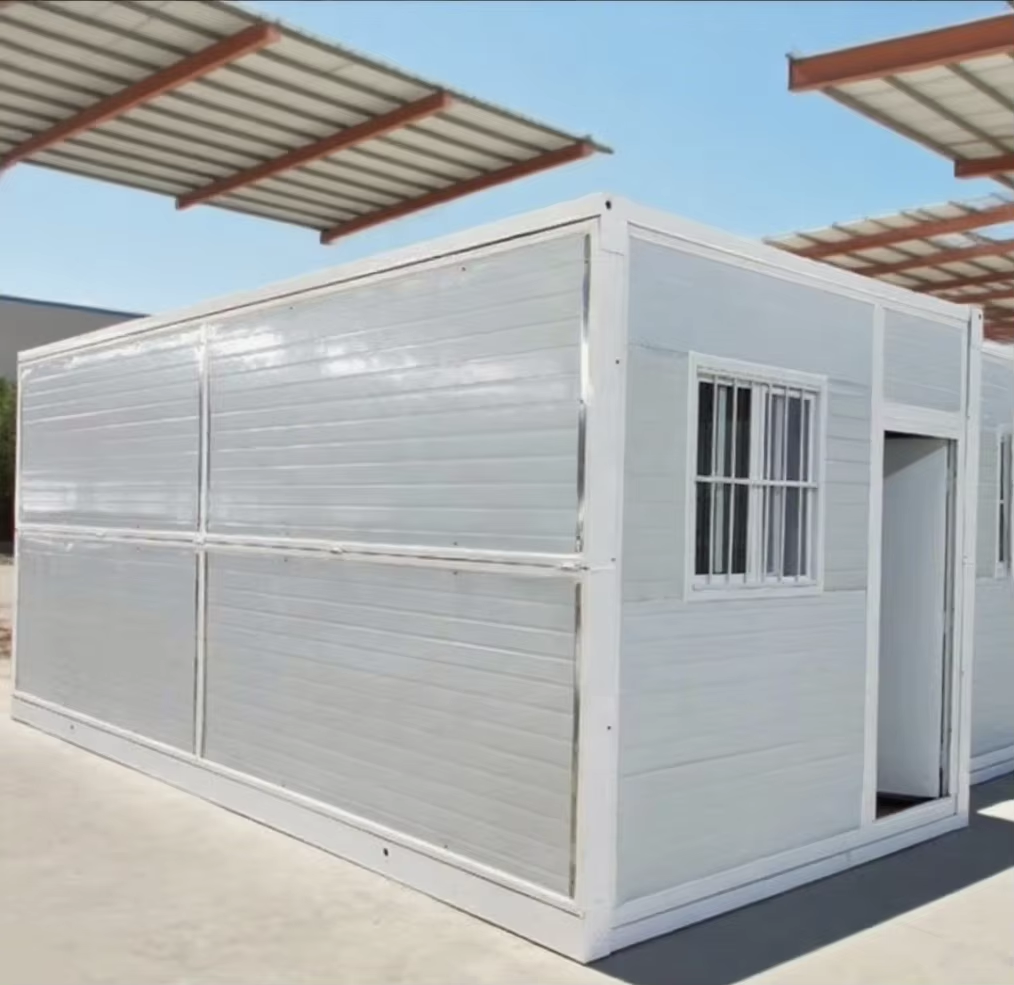
One of the most cited and operationally critical benefits of foldable container houses is the speed at which they can be made ready for use. Unlike conventional construction that requires weeks or months of on-site labor, foldable container houses are engineered for fast assembly. Many models can be fully erected and ready for occupancy within 48 hours of delivery, which is a transformative advantage in time-sensitive project environments.
This rapid deployment capability is especially valuable in industries where project timelines are tight and delays carry direct financial consequences. Mining operations, oil and gas exploration sites, and large-scale infrastructure projects often require immediate accommodation and office facilities. Foldable container houses eliminate the lag between project mobilization and functional workspace availability.
The folding mechanism itself is central to this speed advantage. The walls, floor, and roof panels are pre-engineered to collapse into a compact flat-pack form for transport and then unfold on-site with minimal tools and labor. This design removes the need for skilled tradespeople to assemble structural components from scratch, reducing both setup time and the risk of on-site errors.
Minimal Site Preparation Requirements
Traditional buildings demand extensive site preparation — grading, foundation work, utility trenching, and more. Foldable container houses, by contrast, can be installed on relatively unprepared ground with basic leveling supports or ground anchors. This dramatically reduces the pre-installation work required before a structure becomes functional.
In remote or challenging terrain, this benefit becomes even more pronounced. Sites that would be impractical or prohibitively expensive to develop with conventional construction become viable when foldable container houses are used. The reduced dependency on site infrastructure means project managers can allocate resources more efficiently and get operations running faster.
The combination of fast setup and minimal site preparation makes foldable container houses a genuinely agile solution for project-based industries where conditions change frequently and the ability to mobilize quickly is a competitive advantage.
Cost Efficiency Across the Project Lifecycle
Lower Capital and Labor Costs
The financial case for foldable container houses is compelling when examined across the full project lifecycle. The upfront cost of acquiring foldable container houses is typically lower than equivalent permanent or semi-permanent structures, and the savings extend well beyond the purchase price. Reduced labor requirements during installation, lower transportation costs due to compact folded dimensions, and minimal foundation expenses all contribute to a significantly lower total cost of deployment.
For businesses managing multiple project sites simultaneously, the cost advantages multiply. A fleet of foldable container houses can be purchased once and redeployed across different locations over time, spreading the capital investment across multiple projects. This reusability fundamentally changes the economics of temporary accommodation and site infrastructure.
Labor costs during setup are also meaningfully lower. Because foldable container houses are designed for straightforward assembly by a small crew, the need for specialized construction labor is minimized. This is particularly valuable in remote locations where skilled labor is scarce and expensive to mobilize.
Reduced Transportation and Logistics Expenses
The folded form factor of foldable container houses allows multiple units to be stacked and transported on a single flatbed truck or shipping container, dramatically reducing per-unit freight costs. When projects are located in remote areas where transportation is a major cost driver, this logistical efficiency translates directly into budget savings.
Conventional modular buildings, while also transportable, often require more complex rigging, larger transport vehicles, and more careful handling during transit. Foldable container houses are engineered to withstand the stresses of repeated folding, transport, and unfolding cycles, making them a more practical choice for operations that require frequent relocation.
When a project concludes, foldable container houses can be folded back down, loaded efficiently, and moved to the next site with minimal cost. This end-of-project mobility is a financial benefit that conventional structures simply cannot offer.
Structural Durability and Material Quality
Anti-Corrosion Steel Construction
A common misconception about foldable container houses is that their portability comes at the expense of structural integrity. In practice, high-quality foldable container houses are built from heavy-duty, anti-corrosion steel frames that are engineered to withstand demanding environmental conditions. This includes exposure to moisture, extreme temperatures, UV radiation, and the physical stresses of repeated assembly and disassembly cycles.
Anti-corrosion steel is particularly important for deployments in coastal environments, tropical climates, or industrial sites where chemical exposure is a concern. The protective treatment applied to the steel frame extends the service life of foldable container houses significantly, ensuring that the investment retains its value across multiple project deployments.
The structural design of foldable container houses also accounts for load-bearing requirements. Properly engineered units can support roof loads, wind pressure, and occupant loads that meet or exceed the standards required for temporary industrial accommodation. This makes them suitable for use in environments where structural reliability is non-negotiable.
Long Service Life and Reusability
The durability of foldable container houses directly supports their long-term value proposition. A well-maintained unit can be deployed, folded, transported, and redeployed dozens of times over its service life without significant degradation in structural performance or habitability. This reusability is a key differentiator from disposable or single-use temporary structures.
For businesses that operate on a project-by-project basis, the ability to reuse foldable container houses across multiple deployments means that the cost per use decreases with each project. Over a five- to ten-year operational horizon, the total cost of ownership for foldable container houses compares very favorably with alternatives that must be rebuilt or replaced for each new project.
Maintenance requirements for foldable container houses are also relatively straightforward. The steel frame and panel construction allows for easy inspection, repair, and component replacement, keeping units in serviceable condition without requiring specialized maintenance expertise.
Flexibility and Scalability for Changing Project Needs
Modular Expansion and Reconfiguration
Project requirements rarely remain static. Workforce numbers change, operational needs evolve, and site conditions shift over the course of a project. Foldable container houses are inherently modular, meaning that additional units can be added to an existing installation quickly and without disrupting ongoing operations. This scalability is a practical advantage that rigid permanent structures cannot match.
Multiple foldable container houses can be arranged in various configurations to create larger functional spaces, including connected office complexes, accommodation blocks, or combined living and working environments. The ability to reconfigure the layout as needs change gives project managers a level of operational flexibility that is difficult to achieve with conventional construction.
This modularity also supports phased project development. Rather than committing to a large upfront infrastructure investment, project operators can start with a small number of foldable container houses and scale up incrementally as the project grows. This approach aligns capital expenditure more closely with actual project progress and reduces financial risk.
Versatility Across Industries and Applications
The range of applications for foldable container houses extends well beyond a single industry or use case. Mining camps, construction site offices, military field bases, emergency response shelters, agricultural worker accommodation, and event facilities are all contexts where foldable container houses have demonstrated practical value. This versatility means that a single fleet of units can serve different purposes across different projects, maximizing asset utilization.
The interior of foldable container houses can be fitted out to meet specific functional requirements, including insulation for thermal comfort, electrical systems, plumbing connections, and HVAC integration. This adaptability allows the same structural unit to serve as a basic shelter, a fully equipped office, or a comfortable sleeping quarters depending on the fitout specification.
For businesses operating across multiple sectors or in diverse geographic environments, the versatility of foldable container houses represents a significant strategic asset. A single procurement decision can address accommodation and workspace needs across a wide range of project types and locations.
Environmental and Operational Sustainability
Reduced Construction Waste and Site Impact
Conventional construction generates substantial waste — offcuts, packaging, damaged materials, and demolition debris all contribute to environmental impact. Foldable container houses, being factory-manufactured and assembled rather than built on-site, produce far less construction waste. The controlled manufacturing environment also allows for more precise material use, reducing the overall resource consumption associated with each unit.
The minimal site preparation required for foldable container houses also reduces ground disturbance and environmental impact at the deployment location. When the project concludes and the units are removed, the site can be restored to its original condition more easily than would be possible after conventional construction. This is an important consideration for projects in environmentally sensitive areas or on land with restoration obligations.
The reusability of foldable container houses further reduces their environmental footprint over time. Each redeployment avoids the need to manufacture new structures, conserving materials and energy. From a lifecycle perspective, foldable container houses represent a more sustainable approach to temporary infrastructure than single-use alternatives.
Energy Efficiency and Comfort in Remote Environments
Modern foldable container houses can be specified with insulation packages that provide effective thermal performance in both hot and cold climates. This is particularly relevant for remote project sites where energy supply is limited and the cost of heating or cooling is a significant operational expense. Well-insulated foldable container houses reduce energy consumption and improve occupant comfort, both of which contribute to workforce productivity and wellbeing.
The ability to integrate solar panels, rainwater collection systems, and other off-grid utilities into foldable container house installations further enhances their suitability for remote deployments. Projects in areas without reliable grid power or water supply can achieve a meaningful degree of operational self-sufficiency using foldable container houses as the foundation of their site infrastructure.
Occupant comfort in remote environments has a direct impact on workforce retention and productivity. Providing well-designed, comfortable, and functional accommodation through foldable container houses is an investment in the human capital that drives project success.
FAQ
How long does it take to set up foldable container houses on a new site?
Most foldable container houses are designed for rapid deployment, with many models capable of being fully assembled and ready for occupancy within 24 to 48 hours of delivery. The exact setup time depends on the number of units, site conditions, and the experience of the installation crew, but the process is significantly faster than conventional modular or permanent construction methods.
Are foldable container houses suitable for long-term use, or only short-term projects?
Foldable container houses built from heavy-duty, anti-corrosion steel are designed for extended service life and can be used for both short-term and long-term deployments. With proper maintenance, high-quality units can remain in serviceable condition for many years and across multiple project cycles, making them a viable option for semi-permanent installations as well as temporary ones.
Can foldable container houses be customized for specific functional requirements?
Yes, foldable container houses can typically be specified with a range of interior fitout options including insulation, electrical systems, plumbing, HVAC, and custom partitioning. This allows the same structural unit to be configured as an office, sleeping quarters, canteen, or other functional space depending on the project's needs.
What makes foldable container houses more cost-effective than traditional temporary buildings?
The cost advantage of foldable container houses comes from multiple factors: lower transportation costs due to compact folded dimensions, reduced labor requirements during installation, minimal site preparation needs, and the ability to reuse units across multiple projects. When the total cost of ownership is calculated over several deployments, foldable container houses typically offer a significantly lower cost per use than conventional temporary structures that must be rebuilt for each project.
Table of Contents
- Rapid Deployment and Setup Efficiency
- Cost Efficiency Across the Project Lifecycle
- Structural Durability and Material Quality
- Flexibility and Scalability for Changing Project Needs
- Environmental and Operational Sustainability
-
FAQ
- How long does it take to set up foldable container houses on a new site?
- Are foldable container houses suitable for long-term use, or only short-term projects?
- Can foldable container houses be customized for specific functional requirements?
- What makes foldable container houses more cost-effective than traditional temporary buildings?