Industrial Clean Room Solutions: Advanced Contamination Control for High-Performance Manufacturing

All Categories

industrial clean room

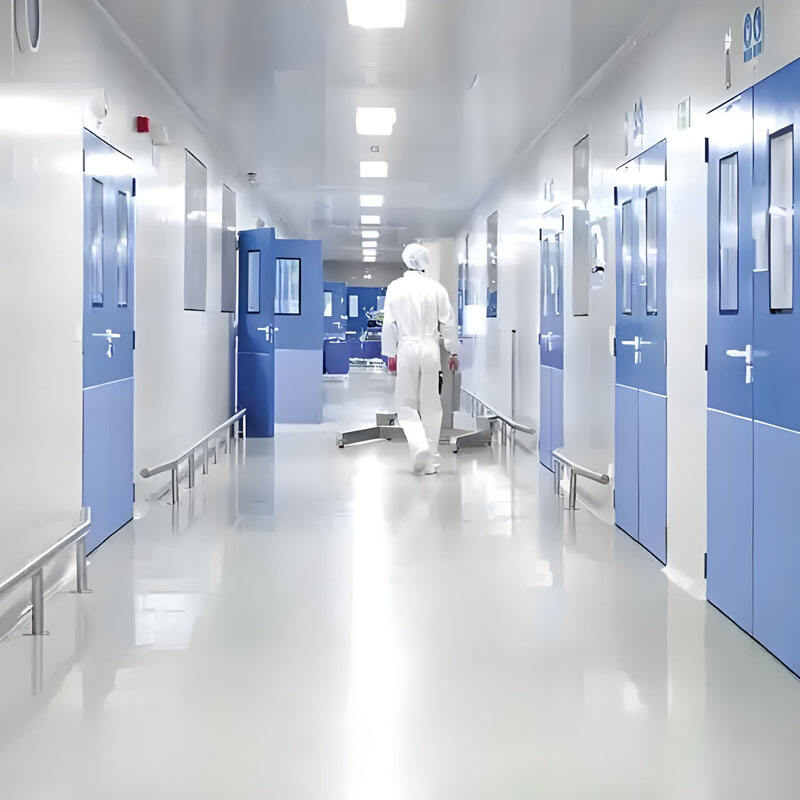
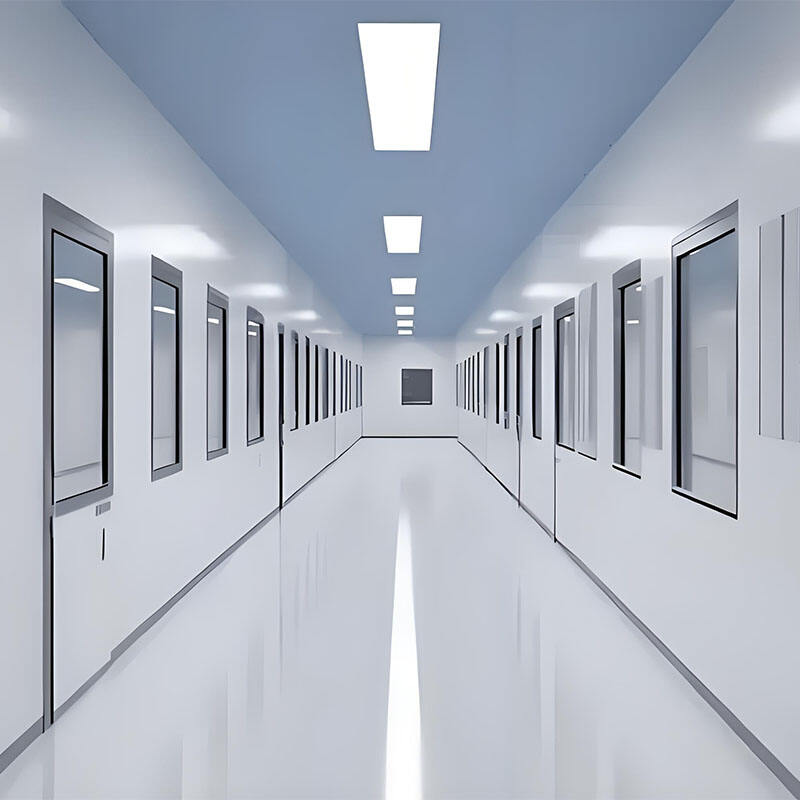
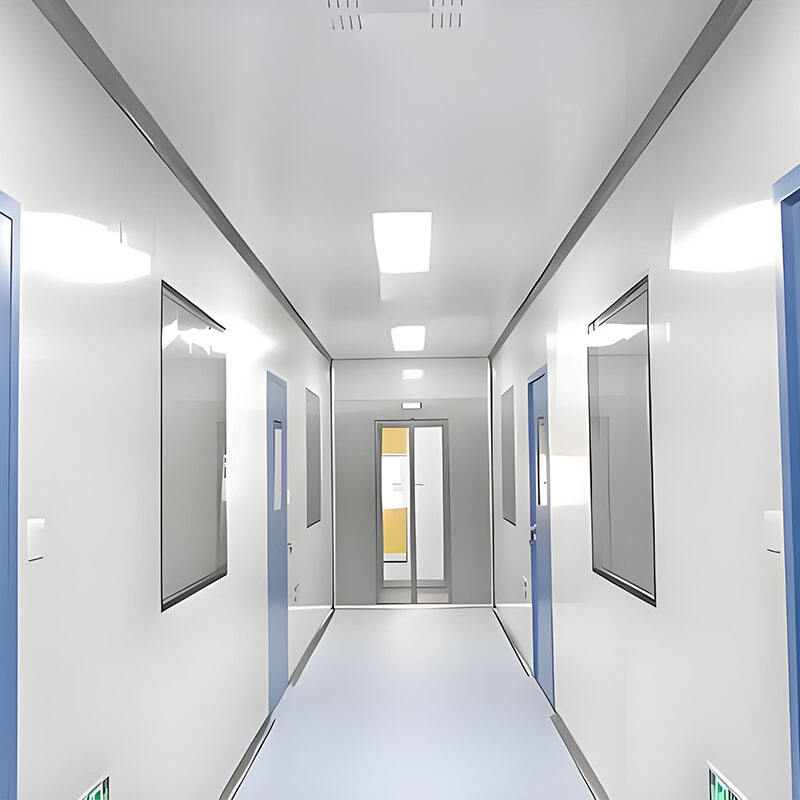
An industrial clean room represents a controlled environment engineered to maintain exceptionally low levels of particulates, such as dust, airborne microbes, aerosol particles, and chemical vapors. These specialized facilities are essential in modern manufacturing, research, and development processes where environmental contamination could compromise product quality or experimental results. The clean room achieves this through sophisticated air handling systems that incorporate HEPA or ULPA filtration, maintaining positive air pressure to prevent contaminant infiltration, and utilizing specialized construction materials that minimize particle generation. Temperature, humidity, and air pressure are precisely regulated through advanced control systems, ensuring consistent environmental conditions. These facilities are classified according to ISO standards based on the number and size of particles permitted per volume of air. The design includes airlocks and gowning rooms where personnel don appropriate protective clothing before entering. Monitoring systems continuously track environmental parameters, while specialized cleaning protocols and maintenance procedures ensure the sustained integrity of the controlled environment. Modern industrial clean rooms often feature modular construction, allowing for flexible configuration and future expansion as operational needs evolve.


New Products

Industrial clean rooms offer numerous compelling advantages that make them indispensable in various sectors. First, they provide unparalleled contamination control, ensuring product quality and consistency in manufacturing processes, particularly in industries such as semiconductors, pharmaceuticals, and medical devices. This results in higher yield rates and reduced waste, directly impacting the bottom line. The controlled environment also enables precise process validation and documentation, essential for regulatory compliance and quality certifications. Clean rooms feature modular designs that allow for easy customization and future expansion, providing excellent return on investment through adaptability to changing production needs. The sophisticated air handling systems not only remove contaminants but also create optimal working conditions that enhance worker productivity and product quality. These facilities enable the manufacture of sensitive components and products that would be impossible to produce in conventional environments. From a business perspective, clean rooms provide a competitive advantage by allowing companies to meet the most stringent quality requirements of high-value markets. The controlled environment also extends product shelf life and reduces the risk of recalls or quality-related issues. Advanced monitoring systems provide real-time data on environmental conditions, enabling proactive maintenance and reducing downtime. Additionally, the standardized operating procedures and controlled access enhance security and protect intellectual property.

Practical Tips

Which brand of magnesium oxide color steel plate in Foshan is good? How can we distinguish it

24

Jun

Which brand of magnesium oxide color steel plate in Foshan is good? How can we distinguish it

View More
Why are Foshan color steel sandwich panels so popular

24

Jun

Why are Foshan color steel sandwich panels so popular

View More
The use of foam sandwich panels is not only practical but also aesthetically pleasing

24

Jun

The use of foam sandwich panels is not only practical but also aesthetically pleasing

View More
The application of rock wool sandwich panels in Purification projects

24

Jun

The application of rock wool sandwich panels in Purification projects

View More

Get a Free Quote

Our representative will contact you soon.
Email
Name
Company Name
Message
0/1000

industrial clean room

Advanced Contamination Control Systems

Advanced Contamination Control Systems

The industrial clean room's contamination control system represents the pinnacle of environmental management technology. At its core lies a sophisticated multi-stage filtration system that combines HEPA and ULPA filters, capable of removing 99.99999% of particles as small as 0.12 micrometers. This system operates in conjunction with precisely controlled airflow patterns that create laminar or unidirectional flow, effectively sweeping away particles while preventing cross-contamination. The air handling system maintains positive pressure differentials between adjacent spaces, ensuring that clean air flows from more critical to less critical areas. Real-time particle counting and monitoring systems provide continuous feedback, allowing for immediate response to any deviations from specified parameters. This comprehensive approach to contamination control enables the maintenance of cleanliness levels that meet or exceed ISO 14644-1 standards, making it ideal for the most demanding applications in semiconductor, pharmaceutical, and medical device manufacturing.
Environmental Parameter Control and Monitoring

Environmental Parameter Control and Monitoring

The environmental control capabilities of industrial clean rooms extend far beyond basic air filtration. These facilities incorporate sophisticated systems for maintaining precise temperature control within ±0.5°C and relative humidity levels within ±1%. Advanced control algorithms continuously adjust HVAC systems to maintain these tight tolerances while optimizing energy efficiency. The monitoring system integrates multiple sensor types, including temperature, humidity, differential pressure, and particle counters, all connected to a central building management system. This provides comprehensive real-time data logging and trending capabilities, essential for regulatory compliance and process optimization. The system can automatically alert personnel to any out-of-specification conditions and initiate corrective actions. Additionally, the environmental control system includes redundant components and backup power supplies to ensure uninterrupted operation during critical processes.
Modular Design and Operational Flexibility

Modular Design and Operational Flexibility

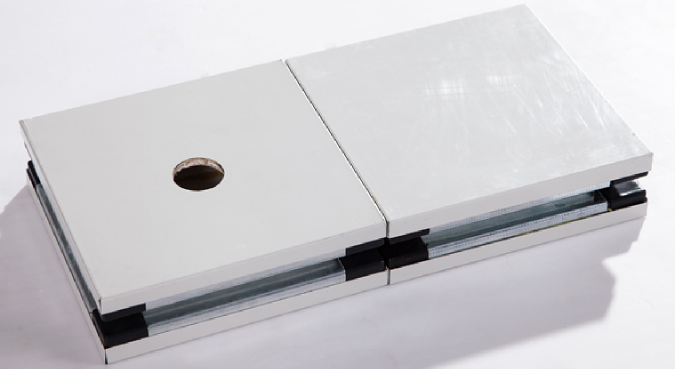
The modular design concept of modern industrial clean rooms represents a significant advancement in facility planning and management. This approach utilizes pre-engineered components that can be assembled in various configurations to meet specific operational requirements. The modular wall systems feature non-shedding, chemical-resistant surfaces and incorporate utility chases for services such as process gases, vacuum, and electrical power. This design philosophy allows for rapid initial construction and facilitates future modifications or expansions with minimal disruption to ongoing operations. The flexibility extends to the ceiling grid system, which integrates lighting, HEPA filters, and service panels in a way that can be reconfigured as needed. The modular approach also includes raised access flooring systems that conceal utilities while providing maintenance access and contributing to optimal airflow patterns. This design strategy enables companies to adapt their clean room facilities to evolving production needs while maintaining environmental control integrity.
Industrial Clean Room Solutions: Advanced Contamination Control for High-Performance Manufacturing

Get a Free Quote

Our representative will contact you soon.
Email
Name
Company Name
Message
0/1000

Get a Free Quote

Our representative will contact you soon.
Email
Name
Company Name
Message
0/1000