EN
EN
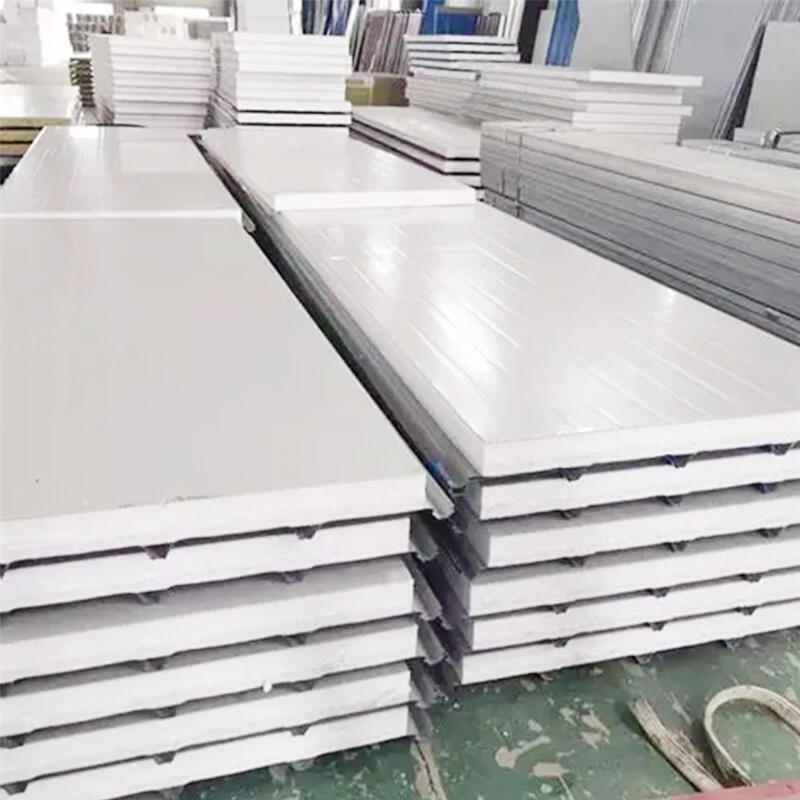
When engineers and building designers evaluate materials for industrial and commercial construction, thermal performance consistently ranks among the top priorities. color steel panels have emerged as a leading solution precisely because they address thermal efficiency in a way that single-layer or conventional wall systems simply cannot match. Understanding how these panels work mechanically and thermally helps procurement managers, facility planners, and construction engineers make better-informed decisions about building envelopes.
Color steel panels are composite building elements that combine a rigid insulating core with steel face sheets, creating a sandwich structure engineered for both structural integrity and thermal control. Their growing adoption across cold storage facilities, clean rooms, prefabricated warehouses, and industrial buildings is not coincidental. The thermal efficiency improvements they deliver are measurable, consistent, and directly tied to the physics of how heat moves through building materials. This article breaks down the mechanisms behind that performance and explains why color steel panels are a technically sound choice for thermally demanding applications.
The Thermal Science Behind Color Steel Panels
How Heat Transfer Is Controlled in a Sandwich Panel
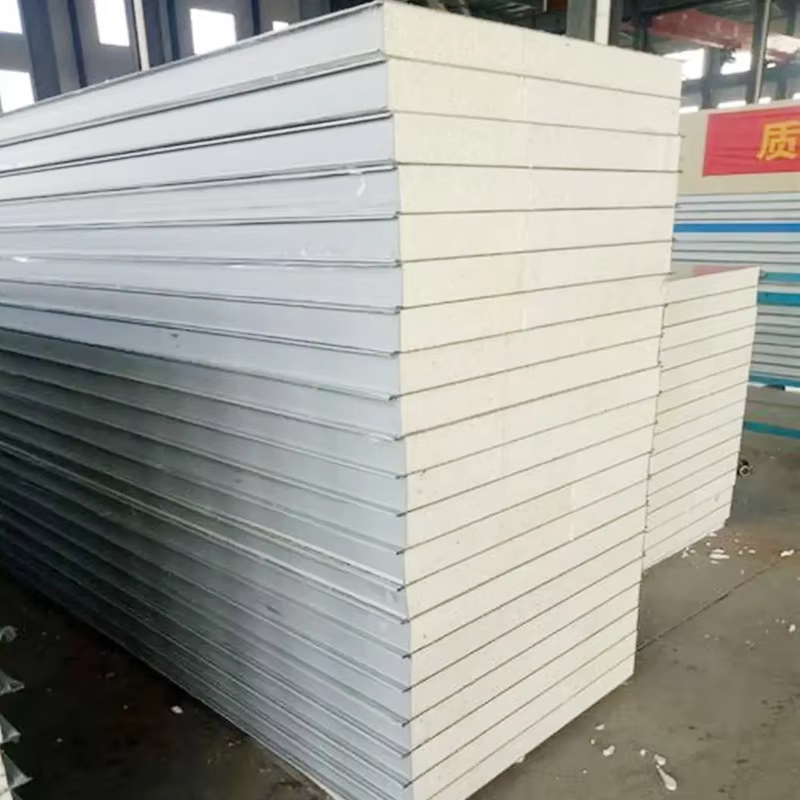
Heat moves through building materials via three primary mechanisms: conduction, convection, and radiation. Color steel panels are engineered to interrupt all three pathways simultaneously. The steel face sheets provide structural rigidity and weather resistance, while the insulating core — typically polyurethane (PU) foam — acts as a thermal barrier that dramatically reduces conductive heat flow between the interior and exterior environments.
Polyurethane foam, the most common core material in high-performance color steel panels, has an exceptionally low thermal conductivity value, typically in the range of 0.022 to 0.028 W/(m·K). This is significantly lower than mineral wool, expanded polystyrene, or air gaps used in traditional wall assemblies. The closed-cell structure of PU foam also resists moisture absorption, which is critical because moisture infiltration degrades thermal performance over time in many competing insulation materials.
The result is a panel system where the overall thermal transmittance (U-value) can be precisely controlled by adjusting core thickness. A 100mm PU core panel, for example, delivers substantially better thermal resistance than a 50mm panel, giving designers the flexibility to match insulation performance to specific climate conditions and regulatory requirements.
The Role of the Steel Face in Thermal Management
Steel is a good thermal conductor on its own, which might seem counterproductive in an insulating panel. However, in color steel panels, the steel face sheets serve a different thermal function. Their primary role is to protect the insulating core from mechanical damage, UV degradation, and moisture ingress — all of which would compromise long-term thermal performance if left unprotected.
The color coating applied to the steel surface also plays a subtle but real role in thermal management. Lighter or reflective color coatings reduce solar heat gain by reflecting a portion of incoming solar radiation before it can be absorbed into the panel assembly. In warm climates or sun-exposed roof applications, this surface reflectivity can meaningfully reduce cooling loads inside the building.
Modern color steel panels use pre-painted galvanized or galvalume steel with coating systems designed for long-term color stability and corrosion resistance. This durability ensures that the thermal performance of the panel system is maintained over the building's operational life without significant degradation of the surface properties that contribute to heat management.
Thickness Options and Their Impact on Thermal Efficiency
Selecting the Right Panel Thickness for Your Application
One of the most practical advantages of color steel panels is that thermal performance can be scaled by selecting the appropriate core thickness. Standard options typically range from 50mm to 150mm, with each increment delivering a measurable improvement in thermal resistance. The choice of thickness should be driven by the target U-value for the application, local climate data, and any applicable energy codes or cold chain standards.
For ambient-temperature industrial buildings in moderate climates, a 50mm or 75mm panel may provide sufficient thermal separation to reduce HVAC loads and maintain comfortable interior conditions. For cold storage rooms, pharmaceutical warehouses, or food processing facilities where precise temperature control is critical, 100mm to 150mm panels are typically specified to achieve the low U-values required to minimize refrigeration energy consumption.
It is worth noting that doubling the core thickness does not simply double the thermal resistance — the relationship follows the physics of thermal conductivity, and the gains are real but not linear. However, even incremental increases in core thickness deliver meaningful reductions in heat transfer, which translate directly into lower energy bills and more stable interior temperatures over the life of the building.
Comparing Panel Thickness to Traditional Wall Assemblies
A traditional masonry or concrete wall assembly achieving a comparable U-value to a 100mm color steel panel would need to be substantially thicker and heavier. This comparison highlights one of the key efficiency advantages of color steel panels: they deliver high thermal resistance in a slim, lightweight profile that reduces structural load requirements and speeds up construction timelines.
In prefabricated building systems, color steel panels allow entire wall and roof assemblies to be manufactured off-site with consistent quality control, then installed rapidly on-site. This factory-controlled production environment ensures that the insulating core is uniformly distributed and properly bonded to the steel faces, eliminating the inconsistencies that can occur with site-applied insulation systems and which often result in thermal bridging or cold spots.
The combination of high thermal resistance per unit thickness, lightweight construction, and dimensional consistency makes color steel panels a thermally superior choice compared to many conventional alternatives, particularly in applications where both performance and construction speed are priorities.
Thermal Bridging and How Color Steel Panels Address It
Understanding Thermal Bridging in Building Envelopes
Thermal bridging occurs when a highly conductive material creates a pathway through an insulated assembly, allowing heat to bypass the insulation layer. In traditional steel-framed buildings, the structural members themselves often act as thermal bridges, significantly reducing the effective thermal performance of the wall or roof system compared to its nominal insulated value.
Color steel panels address this problem through their composite construction. Because the insulating core spans continuously between the steel face sheets, there are no internal structural members penetrating the insulation layer. The panel itself is the structure and the insulation simultaneously, which eliminates the most common source of thermal bridging in conventional steel building systems.
At panel joints and connections, well-designed color steel panel systems use interlocking profiles and thermal break details that minimize heat flow at the edges. Proper installation of these joint systems is critical to maintaining the thermal integrity of the overall building envelope, and reputable panel systems are engineered with this in mind from the outset.
Continuous Insulation as a Thermal Efficiency Strategy
Building energy codes in many markets now require continuous insulation — insulation that runs uninterrupted across the entire building envelope without being penetrated by structural elements. Color steel panels inherently satisfy this requirement because their insulating core is continuous across the full panel width and height, with no internal interruptions.
This continuous insulation characteristic means that the U-value measured for a single panel is representative of the actual thermal performance of the installed wall or roof system, rather than being an optimistic laboratory value that degrades significantly in real-world installation due to framing members and penetrations. For energy modeling and compliance purposes, this predictability is a significant advantage.
For cold storage and clean room applications in particular, the continuous insulation provided by color steel panels is not just an energy efficiency feature — it is a functional requirement. Any thermal bridge in a cold storage envelope creates a risk of condensation, frost formation, and structural damage that can compromise both the facility and the products stored within it.
Real-World Applications Where Thermal Efficiency Matters Most
Cold Storage and Refrigerated Warehouses
Cold storage facilities represent the most thermally demanding application for color steel panels. In these environments, the building envelope must maintain a significant temperature differential between the refrigerated interior and the ambient exterior, often across a wide range of outdoor conditions. The energy cost of refrigeration is directly proportional to the rate of heat ingress through the building envelope, making thermal efficiency a direct operational cost driver.
Color steel panels with PU cores are the standard specification for cold storage construction precisely because they deliver the low U-values needed to minimize refrigeration loads. A well-insulated cold storage envelope built with 150mm color steel panels can reduce refrigeration energy consumption by a substantial margin compared to a less insulated alternative, with payback periods on the additional insulation investment often measured in months rather than years.
Beyond energy savings, the thermal stability provided by color steel panels in cold storage applications protects product quality, extends equipment life, and reduces the risk of temperature excursions that can trigger food safety or pharmaceutical compliance issues. The thermal performance of the panel system is therefore not just an energy metric — it is a quality and risk management consideration.
Clean Rooms and Controlled Environment Facilities
Clean rooms used in pharmaceutical manufacturing, electronics production, and food processing require precise temperature and humidity control. Color steel panels are widely used in these facilities because their thermal performance supports the HVAC system's ability to maintain tight environmental parameters without excessive energy consumption.
The smooth, non-porous surface of color steel panels also contributes to clean room suitability by resisting microbial growth and facilitating easy cleaning and decontamination. This combination of thermal performance and hygienic surface properties makes color steel panels a natural fit for controlled environment construction where both energy efficiency and cleanliness standards must be met simultaneously.
In these applications, the consistency of thermal performance across the entire building envelope — enabled by the continuous insulation and factory-controlled manufacturing of color steel panels — is particularly valuable. Thermal inconsistencies in a clean room envelope can create localized condensation or temperature variation that disrupts process conditions and compromises product quality.
FAQ
What core material gives color steel panels the best thermal efficiency?
Polyurethane (PU) foam is generally considered the highest-performing core material for color steel panels in terms of thermal efficiency. Its thermal conductivity of approximately 0.022 to 0.028 W/(m·K) is lower than mineral wool or EPS alternatives, and its closed-cell structure resists moisture absorption, which helps maintain thermal performance over the long term. For cold storage and clean room applications, PU-core color steel panels are the standard specification.
How does panel thickness affect the thermal performance of color steel panels?
Increasing the core thickness of color steel panels directly improves thermal resistance by increasing the depth of insulating material that heat must conduct through. Common thicknesses range from 50mm to 150mm, with thicker panels delivering lower U-values and better thermal separation. The appropriate thickness depends on the application's temperature differential requirements, local climate conditions, and applicable energy or cold chain standards.
Can color steel panels be used for both walls and roofs in thermally demanding buildings?
Yes, color steel panels are engineered for use in both wall and roof applications. Roof panels are typically designed with specific profile geometries to facilitate water drainage and handle snow loads, while wall panels prioritize joint sealing and lateral load resistance. Both configurations use the same insulating core technology, so the thermal efficiency principles apply equally to wall and roof assemblies in cold storage rooms, clean rooms, and industrial buildings.
How do color steel panels compare to traditional insulated wall systems in terms of thermal bridging?
Color steel panels significantly reduce thermal bridging compared to traditional steel-framed wall systems with batt or board insulation. Because the insulating core in color steel panels is continuous across the full panel face with no internal structural members penetrating it, there are no framing-related thermal bridges. This means the installed thermal performance of a color steel panel wall closely matches its nominal U-value, whereas traditional framed walls often perform considerably worse in practice due to bridging through studs and framing elements.
Table of Contents
- The Thermal Science Behind Color Steel Panels
- Thickness Options and Their Impact on Thermal Efficiency
- Thermal Bridging and How Color Steel Panels Address It
- Real-World Applications Where Thermal Efficiency Matters Most
-
FAQ
- What core material gives color steel panels the best thermal efficiency?
- How does panel thickness affect the thermal performance of color steel panels?
- Can color steel panels be used for both walls and roofs in thermally demanding buildings?
- How do color steel panels compare to traditional insulated wall systems in terms of thermal bridging?