EN
EN
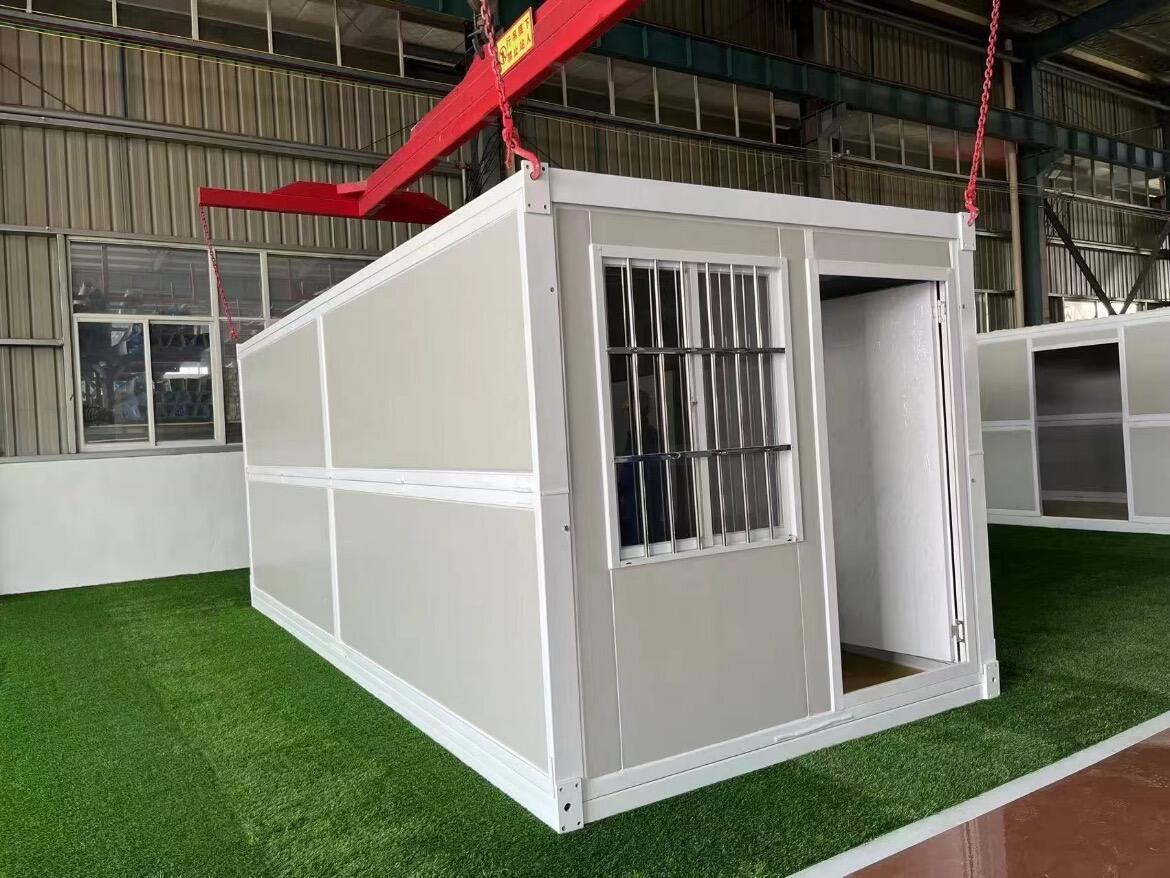
The construction industry has undergone a remarkable transformation over the past two decades, and at the center of that shift stands one of the most compelling innovations in modern building: prefabricated houses. Once associated with temporary shelters or low-cost emergency housing, prefabricated houses have evolved into sophisticated, durable, and architecturally versatile structures that are reshaping how developers, businesses, and homeowners think about construction. The question is no longer whether prefabricated houses are viable — it is why they have become so widely preferred across so many different markets and applications.
Understanding the popularity of prefabricated houses requires looking beyond surface-level cost comparisons. The drivers behind their adoption are structural, economic, environmental, and logistical — and they align closely with the pressures that modern construction projects face every day. From accelerated project timelines to tightening sustainability requirements, prefabricated houses offer a set of advantages that traditional site-built construction simply cannot match in many scenarios. This article explores the core reasons why prefabricated houses have earned their place at the forefront of modern construction thinking.
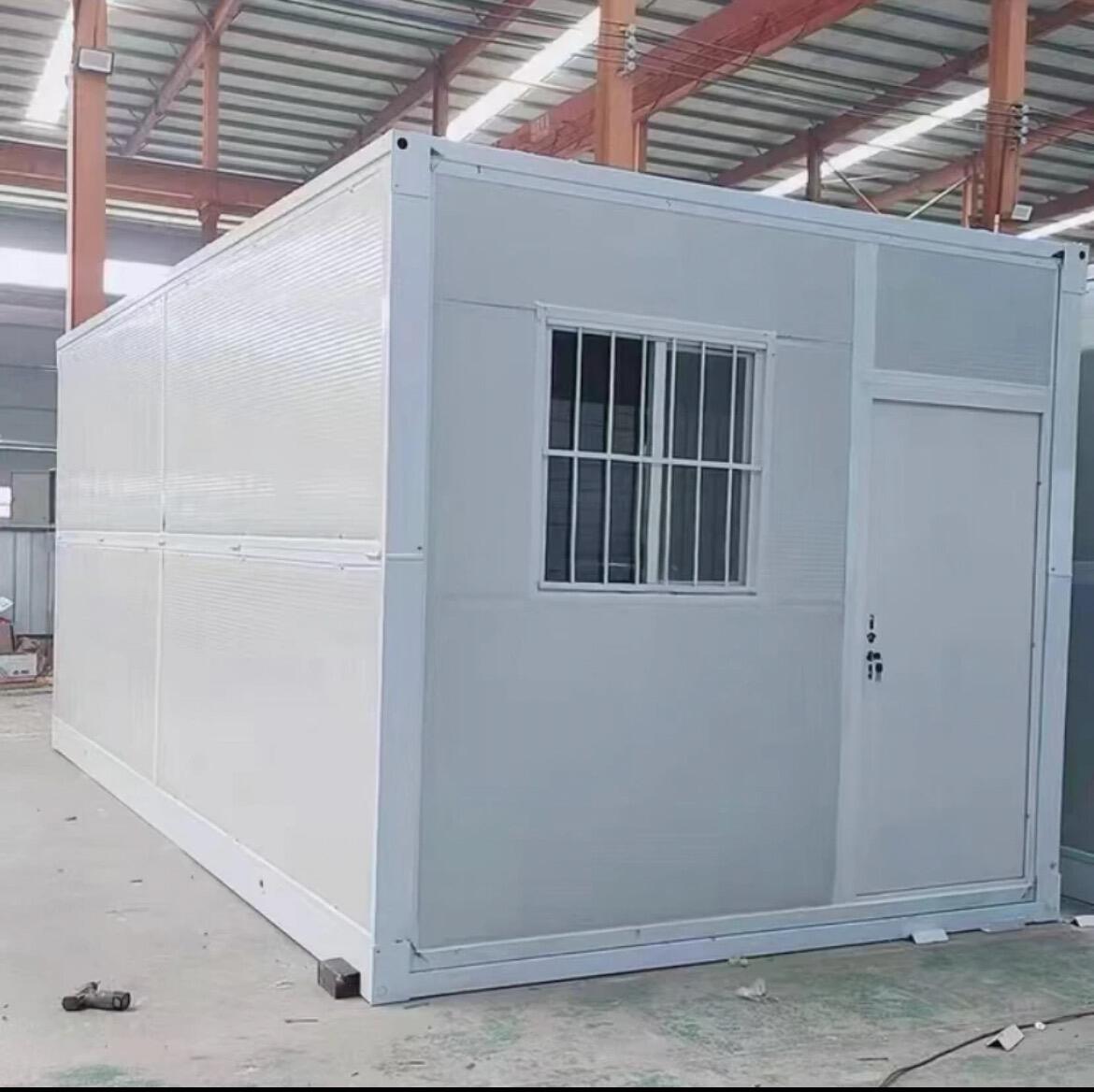
Speed and Efficiency in the Construction Process
Factory-Controlled Manufacturing Reduces Delays
One of the most compelling reasons behind the growing popularity of prefabricated houses is the dramatic reduction in construction time. Because the structural components of prefabricated houses are manufactured in a controlled factory environment, production is not subject to weather delays, labor shortages on-site, or the sequential dependencies that slow down traditional builds. Wall panels, roof trusses, floor systems, and modular units are fabricated simultaneously while site preparation work proceeds in parallel.
This parallel workflow is a fundamental advantage. In conventional construction, each phase must be completed before the next begins — foundation, framing, roofing, and interior work follow a strict sequence. With prefabricated houses, the factory phase and the site phase overlap, compressing the overall project timeline by a significant margin. Projects that might take twelve to eighteen months using traditional methods can often be completed in a fraction of that time.
For commercial clients, developers, and project managers operating under tight delivery schedules, this speed advantage translates directly into financial value. Faster completion means earlier occupancy, earlier revenue generation, and reduced exposure to financing costs. The efficiency of prefabricated houses is not just a convenience — it is a measurable business benefit.
Streamlined On-Site Assembly
When prefabricated houses arrive at the construction site, the assembly process is far more straightforward than building from raw materials. Components are pre-cut, pre-fitted, and often pre-finished, meaning the on-site crew is performing assembly rather than fabrication. This distinction matters enormously for project management, because assembly is more predictable, easier to schedule, and less prone to the errors that arise during complex on-site fabrication work.
The reduced complexity of on-site work also means that smaller, more specialized crews can complete the installation efficiently. This is particularly valuable in regions where skilled construction labor is scarce or expensive. Prefabricated houses effectively transfer the labor-intensive work to a factory setting where it can be performed with greater precision and at lower cost per unit of output.
Cost Predictability and Financial Advantages
Controlled Costs Through Standardized Production
Cost overruns are one of the most persistent problems in traditional construction. Material waste, rework, weather-related delays, and labor inefficiencies all contribute to budgets that expand well beyond initial estimates. Prefabricated houses address this problem at its root by moving production into a factory environment where material usage is optimized, processes are standardized, and quality control is systematic.
Factory production of prefabricated houses allows manufacturers to purchase materials in bulk, reduce waste through precision cutting, and eliminate many of the unpredictable cost variables that plague site-built projects. The result is a much tighter relationship between the initial budget and the final cost. For clients who need financial predictability — whether they are managing a corporate real estate portfolio, a hospitality development, or a residential community — this cost stability is a significant advantage.
The financial case for prefabricated houses is further strengthened when you account for the reduced financing period. Because projects are completed faster, the period during which construction loans accrue interest is shorter. Over the life of a large development project, this can represent a substantial saving that makes prefabricated houses even more economically attractive compared to conventional alternatives.
Lower Long-Term Maintenance Costs
Modern prefabricated houses are engineered to precise tolerances, which means structural connections are tight, insulation is consistently applied, and moisture management details are correctly executed every time. This level of precision reduces the likelihood of the defects that lead to costly maintenance issues down the line — problems like thermal bridging, air infiltration, and water ingress that are common in site-built structures where quality control is harder to enforce.
Durable materials and factory-applied finishes used in prefabricated houses also tend to have longer service lives than materials applied under variable site conditions. Over a ten or twenty-year ownership period, the cumulative maintenance savings can be substantial, reinforcing the total cost of ownership argument for prefabricated houses in both residential and commercial applications.
Sustainability and Environmental Performance
Reduced Material Waste During Production
The construction industry is one of the largest generators of waste globally, and traditional site-built projects are a major contributor to that problem. Prefabricated houses offer a fundamentally more sustainable production model. In a factory setting, material cutting is optimized by software, offcuts are collected and recycled, and the overall volume of waste generated per square meter of finished structure is significantly lower than in site-built construction.
This waste reduction is not just an environmental benefit — it also contributes to the cost efficiency of prefabricated houses by reducing the amount of material that must be purchased, transported, and disposed of. Sustainability and economics align in this respect, which is one reason why prefabricated houses are increasingly favored by developers who face both budget pressure and environmental reporting requirements.
Lower Site Disturbance and Carbon Footprint
Because the majority of construction activity for prefabricated houses takes place off-site, the impact on the project location is dramatically reduced. There is less heavy machinery operating on-site for extended periods, fewer material deliveries, less noise, and less disruption to surrounding areas. This makes prefabricated houses particularly well-suited to sensitive locations — urban infill sites, areas near existing occupied buildings, or environmentally sensitive zones where prolonged site activity would be problematic.
The reduced transportation of materials and workers to and from the site also contributes to a lower overall carbon footprint for prefabricated houses compared to conventional construction. As sustainability credentials become increasingly important in procurement decisions and regulatory compliance, this environmental advantage is becoming a more prominent driver of adoption across the industry.
Design Flexibility and Adaptability
Modular Systems Support a Wide Range of Applications
A common misconception about prefabricated houses is that they are limited to a narrow range of standard designs. In reality, modern prefabricated houses are available in highly flexible modular configurations that can be adapted to a wide variety of functional requirements. Units can be combined horizontally or vertically, extended over time, or reconfigured as needs change — a level of adaptability that is difficult and expensive to achieve with conventional construction.
This modularity makes prefabricated houses suitable for an exceptionally broad range of applications: permanent residential housing, worker accommodation camps, office complexes, hospitality facilities, educational buildings, healthcare clinics, and emergency response shelters. The same underlying system can be deployed across these different use cases with relatively minor modifications, which is a powerful argument for organizations that need to build across multiple project types or locations.
Customization Within a Standardized Framework
Modern manufacturers of prefabricated houses offer extensive customization options within their standardized production systems. Clients can specify layouts, interior finishes, window configurations, cladding materials, and mechanical systems to suit their specific requirements. The standardization operates at the structural and connection level, where it delivers efficiency and quality benefits, while customization is applied at the level of appearance and function, where it delivers client satisfaction.
This balance between standardization and customization is one of the reasons why prefabricated houses have been able to penetrate markets that previously demanded bespoke construction. Developers and end users no longer have to choose between the efficiency of prefabrication and the design quality they require — modern prefabricated houses deliver both.
The ability to relocate prefabricated houses is another dimension of adaptability that adds significant value in certain contexts. For businesses operating in remote locations, on temporary project sites, or in markets where land tenure is uncertain, the option to disassemble and redeploy a structure represents a meaningful asset protection advantage that conventional buildings cannot offer.
Quality Control and Structural Reliability
Factory Conditions Enable Consistent Quality Standards
Quality in construction is notoriously difficult to maintain consistently when work is performed outdoors, by rotating crews, under variable weather conditions. Prefabricated houses are produced in factory environments where temperature, humidity, and lighting are controlled, where workers perform the same tasks repeatedly and develop high levels of proficiency, and where quality inspection can be integrated systematically into the production process.
This factory-based quality control means that every unit of prefabricated houses that leaves the production facility has been built to the same standard, inspected against the same criteria, and documented in the same way. For clients who are procuring multiple units — whether for a housing development, a worker camp, or a commercial facility — this consistency is extremely valuable. It eliminates the variability that makes quality management so challenging in traditional construction.
Engineering Precision and Structural Integrity
Prefabricated houses are engineered as complete structural systems, with connections, load paths, and performance characteristics designed and tested as an integrated whole. This systems-level engineering approach produces structures that are often more precisely built and better documented than site-built equivalents, where design intent and actual construction can diverge in ways that are difficult to detect and correct.
Modern prefabricated houses are designed to meet or exceed the structural, thermal, and fire performance requirements of the markets in which they are deployed. Many systems have been tested and certified to international standards, giving clients and regulators confidence in their performance. This engineering rigor is a key reason why prefabricated houses are increasingly accepted in applications that demand high levels of structural reliability and regulatory compliance.
FAQ
Are prefabricated houses as durable as traditionally built structures?
Yes, modern prefabricated houses are engineered to meet the same structural and performance standards as site-built construction. Factory production actually enables tighter quality control and more consistent execution of structural details, which can result in prefabricated houses that are equally or more durable than conventional alternatives when properly maintained.
How long does it take to complete a prefabricated house project?
Project timelines vary depending on the size and complexity of the structure, but prefabricated houses typically take significantly less time to complete than site-built equivalents. Because factory production and site preparation proceed simultaneously, overall project duration can be reduced by thirty to fifty percent compared to traditional construction methods.
Can prefabricated houses be customized to meet specific design requirements?
Modern prefabricated houses offer substantial customization options including layout configurations, interior finishes, cladding materials, window placements, and mechanical system specifications. Customization is applied within a standardized structural framework, which means clients can achieve the design outcomes they need without sacrificing the efficiency and quality benefits of prefabrication.
Are prefabricated houses suitable for permanent use or only temporary applications?
Prefabricated houses are suitable for both permanent and temporary applications. Many modern systems are designed and certified for long-term permanent occupancy and are used in residential communities, commercial facilities, and institutional buildings. The option to relocate or reconfigure prefabricated houses is an additional advantage in contexts where flexibility is required, but it does not limit their suitability for permanent use.