EN
EN
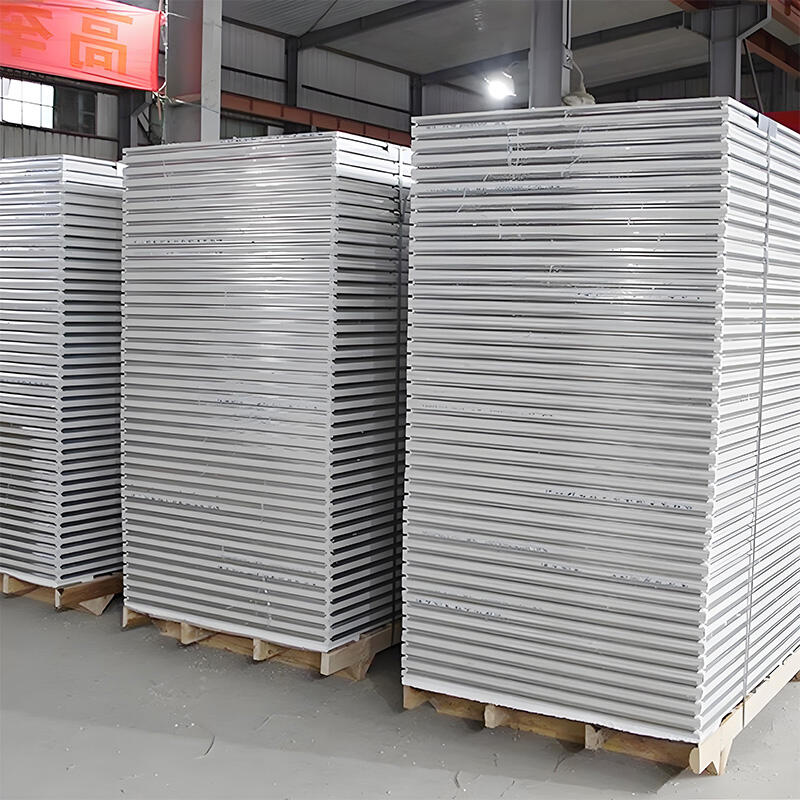
When evaluating modern construction materials for industrial, commercial, or prefabricated building projects, color steel sandwich panels consistently stand out as one of the most versatile and performance-driven choices available. These panels combine a rigid insulating core with steel facings that are pre-coated in a range of colors, delivering a building envelope solution that addresses thermal performance, structural integrity, aesthetics, and speed of installation all at once. Understanding the full scope of their benefits helps procurement managers, engineers, and project developers make more confident material decisions.
Color steel sandwich panels are widely used across cold storage facilities, workshops, clean rooms, prefab houses, and large-scale industrial buildings. Their adoption has grown steadily because they solve multiple construction challenges simultaneously rather than requiring separate systems for insulation, cladding, and finishing. This article explores the key benefits of color steel sandwich panels in detail, covering thermal efficiency, structural performance, installation advantages, environmental value, and long-term cost considerations.
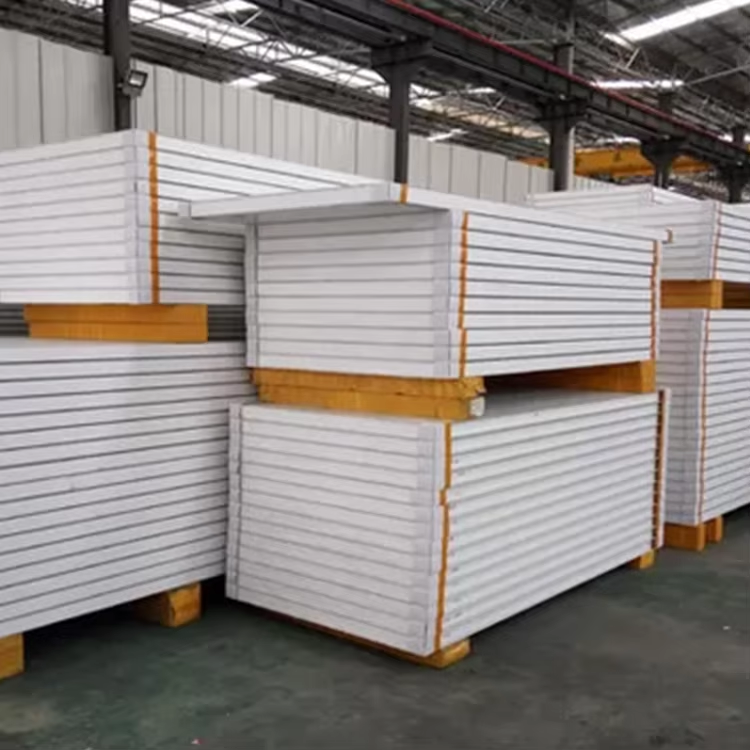
Superior Thermal Insulation Performance
How the Core Material Drives Energy Efficiency
The thermal performance of color steel sandwich panels is primarily determined by the insulating core material sandwiched between the two steel faces. Common core options include EPS foam, rock wool, and polyurethane, each offering different thermal resistance values suited to different applications. EPS foam cores, for example, provide excellent thermal resistance at a relatively low weight, making them a popular choice for cold rooms and temperature-controlled warehouses.
In buildings where maintaining a stable internal temperature is critical, color steel sandwich panels significantly reduce heat transfer through walls and roofs. This directly translates into lower energy consumption for heating and cooling systems, which is a measurable operational benefit over the building's lifetime. For cold storage operators, this thermal efficiency is not just a comfort feature but a core business requirement that affects product preservation and energy costs.
The thickness of the panel can be adjusted to meet specific thermal resistance targets, giving engineers precise control over the building envelope's performance. Thicker panels with denser core materials achieve higher R-values, making color steel sandwich panels adaptable to climates ranging from tropical to sub-zero industrial environments.
Thermal Bridging Reduction in Structural Applications
One of the less obvious but highly practical benefits of color steel sandwich panels is their ability to minimize thermal bridging. In traditional construction, metal fasteners, frames, and structural elements create pathways for heat to bypass insulation layers, reducing the effective thermal performance of the wall or roof assembly. Sandwich panels address this by integrating insulation directly into the panel structure, reducing the number of penetrations and secondary framing elements needed.
This integrated design means that color steel sandwich panels deliver their rated thermal performance more consistently across the entire building surface. For facilities with strict temperature control requirements, such as pharmaceutical storage or food processing plants, this consistency is essential for regulatory compliance and operational reliability.
Structural Strength and Durability
Load-Bearing Capacity and Rigidity
Despite their relatively light weight, color steel sandwich panels offer impressive structural rigidity. The composite action between the steel facings and the bonded core creates a panel that resists bending, compression, and lateral loads far more effectively than either material could alone. This structural efficiency allows panels to span longer distances between supports, reducing the need for intermediate framing and simplifying the overall building structure.
In workshop and industrial building applications, color steel sandwich panels are routinely used as wall cladding and roofing elements that must withstand wind loads, snow loads, and the mechanical stresses of daily industrial operations. Their ability to perform under these conditions without deformation or failure is a key reason they are specified by structural engineers for demanding environments.
The steel facings themselves contribute significantly to durability. Pre-coated with corrosion-resistant finishes, the outer surfaces of color steel sandwich panels resist moisture, chemical exposure, and UV degradation. This makes them suitable for coastal environments, chemical processing facilities, and outdoor applications where unprotected steel would deteriorate rapidly.
Fire Resistance Properties
Fire resistance is a critical consideration in any commercial or industrial building project, and color steel sandwich panels can be specified with fire-resistant core materials to meet building code requirements. Rock wool core panels, in particular, offer non-combustible insulation that significantly slows flame spread and maintains structural integrity under fire conditions longer than combustible alternatives.
For facilities storing flammable materials, housing electrical equipment, or operating in jurisdictions with strict fire safety codes, selecting color steel sandwich panels with appropriate fire ratings provides both regulatory compliance and genuine occupant safety benefits. The steel facings also contribute to fire containment by acting as a barrier that limits oxygen supply to the core material.
It is important to match the fire resistance specification of color steel sandwich panels to the specific risk profile and local building regulations of each project. Working with suppliers who can provide certified fire performance data ensures that the panels selected will meet the required standards without over-engineering the solution.
Fast and Efficient Installation
Prefabricated Panel Systems Reduce Construction Time
One of the most commercially significant benefits of color steel sandwich panels is the speed at which they can be installed. Because each panel arrives on site as a finished, factory-manufactured unit combining structure, insulation, and cladding in one element, the number of separate installation steps is dramatically reduced compared to traditional multi-layer wall and roof assemblies.
Color steel sandwich panels are designed with interlocking joint systems that allow panels to be connected quickly and accurately without requiring specialized tools or highly skilled labor for every step of the process. This reduces labor costs and shortens the overall construction schedule, which is particularly valuable for projects with tight deadlines or phased occupancy requirements.
For prefab house and modular building applications, the use of color steel sandwich panels enables entire building envelopes to be erected in days rather than weeks. This speed advantage has made them a preferred material for emergency housing, temporary facilities, and rapid-deployment industrial structures where time to occupancy is a primary project driver.
Lightweight Nature Simplifies Logistics and Handling
The relatively low weight of color steel sandwich panels compared to masonry or concrete wall systems simplifies transportation, site logistics, and crane requirements. Lighter panels mean lower foundation loads, which can reduce structural costs, particularly on sites with poor soil bearing capacity or where minimizing ground disturbance is a priority.
On congested urban construction sites or remote industrial locations where heavy equipment access is limited, the lightweight nature of color steel sandwich panels provides a practical logistical advantage. Panels can often be handled and positioned with smaller cranes or even manually for shorter spans, reducing equipment hire costs and improving site safety.
Aesthetic Versatility and Surface Quality
Color Coating Options for Architectural Integration
The color coating applied to the steel facings of color steel sandwich panels is not merely decorative. It serves as the primary weather barrier and corrosion protection layer while also giving architects and developers significant freedom in the visual appearance of the finished building. Panels are available in a wide range of standard colors and can often be specified in custom colors to match corporate branding, planning requirements, or design intent.
The surface finish of color steel sandwich panels is consistent and factory-controlled, which means the completed building has a uniform, professional appearance that would be difficult to achieve with site-applied finishes. This is particularly valued in commercial and retail developments where the building's exterior contributes directly to brand perception and customer experience.
Different profile shapes and surface textures are available for color steel sandwich panels, allowing designers to create visual interest through panel geometry rather than relying solely on color. Ribbed, flat, and micro-ribbed profiles each create different shadow lines and surface effects that can significantly influence the architectural character of a building.
Low Maintenance Requirements Over the Building Lifecycle
The factory-applied coatings on color steel sandwich panels are engineered for long-term durability, typically maintaining their appearance and protective function for many years with minimal maintenance. Unlike painted masonry or timber cladding, the pre-coated steel surfaces do not require periodic repainting under normal service conditions, reducing lifecycle maintenance costs.
Cleaning color steel sandwich panels is straightforward, typically requiring only periodic washing with water to remove surface deposits. This ease of maintenance is particularly valued in food processing, pharmaceutical, and clean room environments where hygiene standards require regular surface cleaning and where the building envelope must not harbor bacteria or contaminants.
Environmental and Economic Value
Energy Savings and Reduced Carbon Footprint
The thermal efficiency of color steel sandwich panels contributes directly to the environmental performance of the buildings they enclose. By reducing the energy demand for space heating and cooling, these panels lower the operational carbon footprint of industrial and commercial facilities over their entire service life. For organizations with sustainability targets or green building certification goals, specifying high-performance color steel sandwich panels is a practical and measurable contribution to those objectives.
Steel is also a highly recyclable material, and at the end of a building's service life, the steel facings of color steel sandwich panels can be recovered and recycled with high efficiency. This recyclability reduces the embodied carbon impact of the material compared to non-recyclable alternatives and supports circular economy principles in construction.
Cost Efficiency Across the Project Lifecycle
While the upfront material cost of color steel sandwich panels may be higher than some basic cladding options, the total cost of ownership is typically lower when installation speed, reduced labor, lower energy bills, and minimal maintenance are factored in. The ability to eliminate separate insulation, vapor barrier, and finishing trades from the construction program generates significant savings in both time and money.
For developers and building owners evaluating color steel sandwich panels on a lifecycle cost basis, the combination of fast installation, durable performance, and low maintenance creates a compelling economic case. This is especially true for industrial and logistics facilities where construction budgets are tightly managed and operational efficiency is a primary concern.
Color steel sandwich panels also retain their structural and thermal performance over long service lives when properly installed and maintained, meaning the initial investment continues to deliver value for decades. This long-term reliability reduces the risk of premature replacement or costly remediation work that can affect buildings constructed with lower-quality envelope systems.
FAQ
What types of buildings are color steel sandwich panels most suitable for?
Color steel sandwich panels are well suited to a broad range of building types including cold storage facilities, food processing plants, workshops, warehouses, clean rooms, prefab houses, and commercial buildings. Their combination of thermal insulation, structural performance, and fast installation makes them particularly valuable in industrial and logistics applications where speed of construction and operational efficiency are priorities.
How long do color steel sandwich panels typically last?
When properly installed and maintained, color steel sandwich panels can deliver reliable performance for 20 to 30 years or more. The longevity depends on the quality of the steel and coating specification, the environmental conditions the panels are exposed to, and the standard of installation. Panels used in corrosive or coastal environments may require higher-specification coatings to achieve the same service life as panels in less demanding conditions.
Can color steel sandwich panels be used in fire-sensitive environments?
Yes, color steel sandwich panels can be specified with fire-resistant core materials such as rock wool to meet the fire performance requirements of sensitive environments. It is important to select panels with certified fire ratings that match the specific requirements of the project and local building regulations. Rock wool core panels offer non-combustible insulation and are commonly used in facilities where fire safety is a primary design consideration.
Are color steel sandwich panels environmentally friendly?
Color steel sandwich panels offer several environmental benefits. Their thermal insulation properties reduce building energy consumption, lowering operational carbon emissions. The steel facings are highly recyclable at end of life, supporting circular economy goals. Some panel systems also use core materials with low global warming potential. For projects pursuing green building certifications, the energy performance and recyclability of color steel sandwich panels can contribute meaningfully to certification criteria.