EN
EN
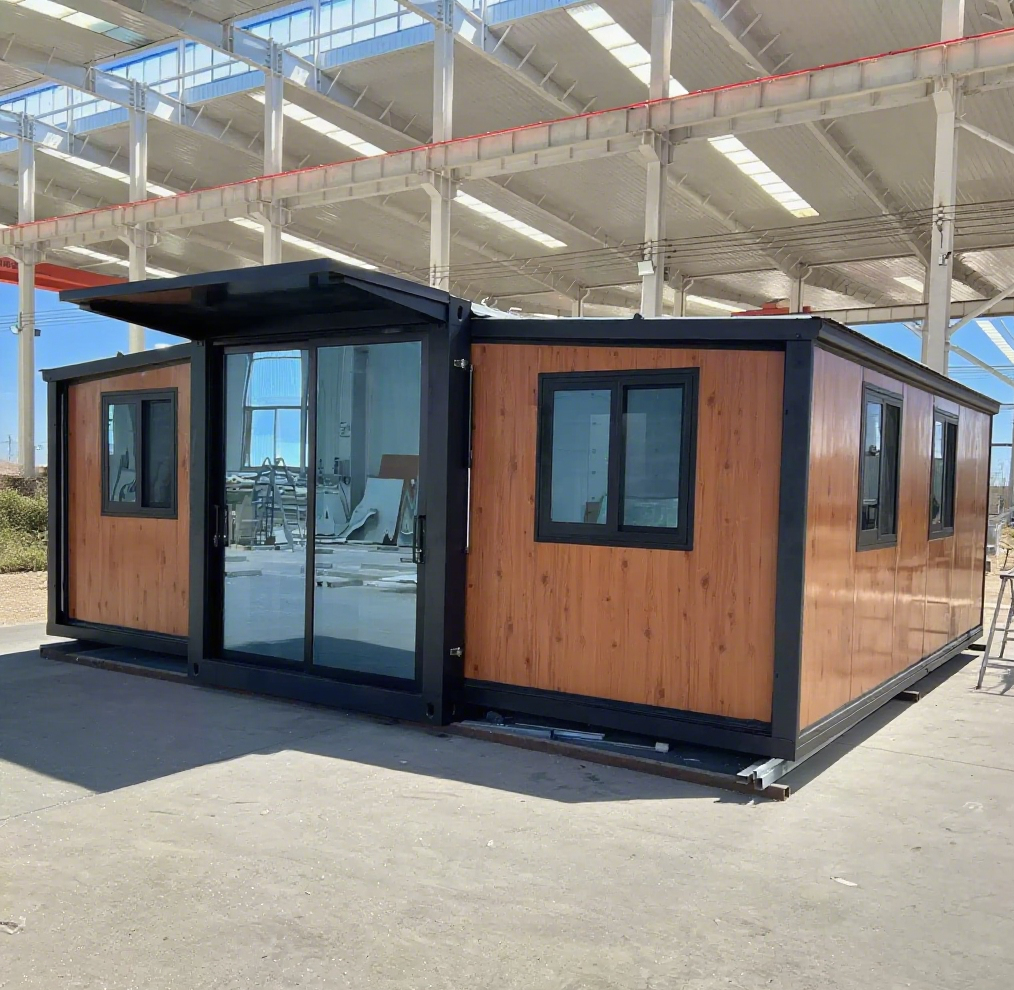
Across continents and climates, container homes have moved from a niche curiosity to a mainstream housing conversation. What was once considered an experimental concept — repurposing steel shipping containers into livable spaces — has evolved into a full-scale global movement backed by practical necessity, architectural innovation, and economic pressure. From urban infill projects in Europe to off-grid retreats in Australia and affordable housing developments in Southeast Asia, container homes are appearing in contexts that would have seemed unlikely just a decade ago.
The rise of container homes is not accidental. It reflects a convergence of shifting social values, rising construction costs, growing environmental awareness, and new manufacturing technologies that have made modular and prefabricated structures more viable than ever before. Understanding why container homes are gaining global popularity requires looking at these drivers not in isolation, but as an interconnected set of forces reshaping how people think about shelter, investment, and sustainable living.
The Housing Affordability Crisis Is Accelerating Demand
Construction Costs and the Search for Alternatives
Traditional residential construction has become increasingly expensive in most parts of the world. Labor shortages, rising material prices, and longer project timelines have pushed the cost of conventional housing out of reach for a significant portion of the global population. In this environment, container homes offer a compelling alternative because their primary structural component — the steel container — is already manufactured, tested, and globally abundant.
The economics of building with repurposed or purpose-built containers can be considerably more favorable than site-built construction in many regions. The structural shell is already formed, which reduces both raw material costs and on-site labor hours. For buyers and developers working with constrained budgets, container homes represent a way to access durable, permanent structures without the full financial burden of conventional building methods.
This affordability dimension is particularly relevant in rapidly urbanizing regions where housing demand is growing faster than infrastructure investment. Municipal governments, NGOs, and private developers alike have identified container homes as scalable solutions to housing shortages that don't require decades-long infrastructure timelines.
Accessible Entry Points for First-Time Buyers and Young Households
Younger generations, burdened by student debt and stagnant wage growth relative to property prices, have shown particular interest in container homes as a pathway to ownership. The ability to purchase or commission a container-based dwelling at a fraction of the cost of a conventional home makes homeownership achievable in markets where it would otherwise be out of reach.
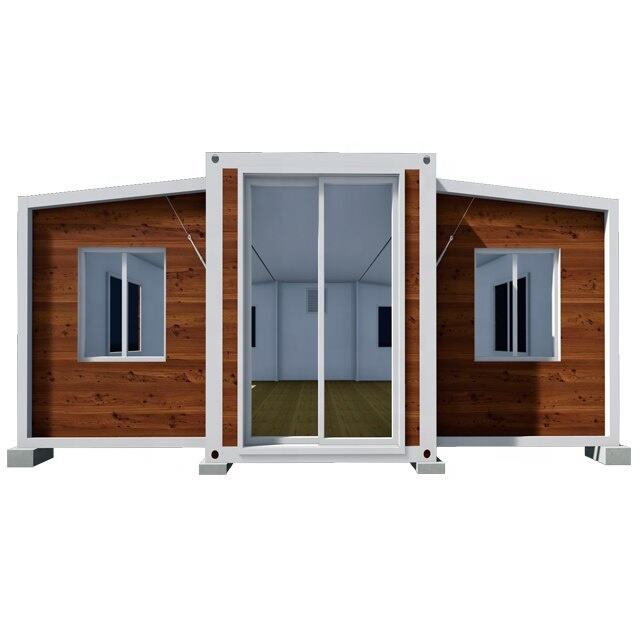
The expandable designs now available — such as the container homes featuring fold-out panels and modular room additions — allow buyers to start with a minimal footprint and grow their space incrementally as their financial situation improves. This phased approach to homeownership aligns well with modern financial realities and shifting lifestyle priorities.
Speed of Deployment and Factory-Built Precision
Faster Build Times Compared to Conventional Construction
One of the most practical reasons behind the growing popularity of container homes is the speed at which they can be manufactured and deployed. Because the primary structure is prefabricated in a controlled factory environment, the timeline from order placement to occupancy is dramatically shorter than that of a traditionally built home. Many container homes can be fully outfitted and ready for delivery within weeks rather than months.
This speed advantage is especially valuable in emergency housing contexts, disaster relief operations, and rapid workforce accommodation — situations where shelter must be established quickly and reliably. But the speed benefit extends well beyond crisis applications. Commercial developers using container homes for hotels, student housing, and short-term rental properties benefit from faster return on investment because units reach revenue-generating status much sooner.
Factory Quality Control and Structural Consistency
Factory fabrication also brings a level of precision and quality consistency that is difficult to replicate on a traditional construction site. Container homes built in controlled manufacturing environments undergo standardized processes for insulation installation, electrical routing, plumbing fitting, and surface finishing. This reduces the variability associated with weather delays, subcontractor inconsistencies, and on-site improvisation.
The structural integrity of steel container frames is another meaningful advantage. These units are engineered to withstand the stresses of ocean freight stacking — conditions far more demanding than typical residential loads. When converted into container homes, that inherent strength translates into structures capable of handling seismic activity, high winds, and heavy snow loads in ways that lighter construction methods may not.
For buyers in regions prone to extreme weather events, this structural resilience is a genuine selling point. The durability of container homes over long operational lifespans also reduces long-term maintenance expenditure, contributing to their overall value proposition.
Sustainability and Environmental Alignment
Reduced Material Waste and Lower Carbon Footprints
Environmental consciousness has become a significant driver of consumer and investor behavior globally. Container homes align well with sustainability values because they inherently reduce demand for new raw materials. Using existing steel structures — whether repurposed shipping containers or purpose-built container modules — means fewer resources extracted, processed, and transported to a job site.
The construction sector is one of the largest contributors to global carbon emissions and material waste. By choosing container homes, developers and individual buyers participate in a more resource-efficient building paradigm. Factory-based manufacturing further reduces site waste by allowing precise material usage and centralized recycling of offcuts and packaging.
Many container homes are also designed with passive solar orientation, green roof compatibility, rainwater harvesting systems, and high-performance insulation as standard or optional features — making them natural candidates for net-zero or low-impact living goals. The alignment between container architecture and sustainable building practices continues to deepen as manufacturers refine their offerings.
Off-Grid Capability and Remote Site Applicability
The self-contained nature of container homes makes them particularly well-suited for remote or off-grid applications. Unlike conventional construction that depends on local supply chains and skilled labor being available at the build site, container-based structures can be manufactured far away and transported to almost any location accessible by road or sea.
This portability is transformative for property owners who want to develop land in areas lacking conventional construction infrastructure. Whether for eco-tourism lodges in mountainous terrain, research stations in remote environments, or agricultural accommodation on working farmland, container homes can be deployed where traditional building methods would be logistically impractical or prohibitively expensive.
Design Evolution and Lifestyle Appeal
From Industrial Aesthetic to Sophisticated Architecture
Early perceptions of container homes as crude or industrial have been thoroughly dismantled by a generation of skilled architects and designers who have demonstrated that these structures are capable of extraordinary aesthetic refinement. Contemporary container homes feature open-plan layouts, floor-to-ceiling glazing, rooftop terraces, integrated landscaping, and interior finishes indistinguishable from high-end conventional residences.
This design evolution has broadened the appeal of container homes beyond budget-conscious buyers to include design-forward professionals, hospitality entrepreneurs, and lifestyle-driven homeowners who simply appreciate the aesthetic possibilities of modular steel architecture. Social media has accelerated this cultural shift, with striking examples of container architecture achieving viral visibility and inspiring a wider audience to consider this building typology.
The modularity of container homes is architecturally powerful. Units can be stacked, cantilevered, offset, and arranged in configurations that create spatial drama and functional variety difficult to achieve in standard rectilinear construction. This design flexibility, combined with the structural performance of the steel frame, gives architects and developers a uniquely versatile building system.
Flexibility for Diverse Use Cases and Markets
The global appeal of container homes is also tied to their remarkable versatility across use cases. The same structural system that serves as a permanent family residence can also function as a pop-up retail space, a portable office, a vacation cabin, a student dormitory, or a medical clinic. This cross-sector applicability has attracted investment and innovation from multiple industries simultaneously, accelerating the development of the entire container building ecosystem.
Commercial real estate investors have taken notice of how container homes can be rapidly reconfigured or relocated as market conditions change — a level of flexibility that conventional buildings simply cannot offer. In volatile markets, the ability to move, repurpose, or resell a physical structure adds a meaningful dimension of risk management that appeals to sophisticated investors.
For hospitality operators in particular, container homes have opened up new business models centered on experiential, boutique, and eco-friendly accommodations that command premium pricing while keeping capital expenditure contained. The intersection of low build cost and high guest appeal makes container-based hospitality a financially attractive proposition in competitive markets.
Global Infrastructure Trends Supporting Container Home Growth
Urbanization Pressures and Infill Development
Rapid urbanization in emerging economies is creating acute pressure on housing supply in cities that lack the planning infrastructure to accommodate conventional high-rise or subdivision development at the required pace. Container homes offer a scalable, relatively fast-to-deploy solution that can be integrated into existing urban fabric without requiring extensive new infrastructure.
Infill development — the construction of housing on underutilized urban land — is an area where container homes have proven particularly effective. Their modular nature allows developers to work within irregular lot shapes and tight site constraints that would make conventional construction impractical. The reduced on-site construction period also minimizes disruption to existing urban neighborhoods, a factor that often influences planning approval outcomes.
Regulatory Evolution and Market Acceptance
A significant barrier to the earlier adoption of container homes was regulatory uncertainty. Building codes, zoning regulations, and financing frameworks developed around conventional construction did not always accommodate modular or container-based structures easily. Over the past decade, however, many jurisdictions have updated or clarified their regulations to specifically include prefabricated and modular construction, making it easier for buyers, developers, and lenders to engage with container homes confidently.
This regulatory normalization has unlocked institutional investment in the container housing sector at a scale that was previously unavailable. As banks, insurance companies, and investment funds become more comfortable with container homes as an asset class, the financial ecosystem supporting this sector grows more robust — further reinforcing the trend toward broader global adoption.
FAQ
Are container homes as durable as traditionally built homes?
Yes, in many respects container homes are highly durable due to their steel frame construction, which is originally engineered for demanding freight transport conditions. Properly treated and insulated container structures can have lifespans of several decades, comparable to or exceeding many conventional construction methods. Key factors include corrosion protection, insulation quality, and the quality of the manufacturing process.
Can container homes be customized to suit different climates?
Container homes can be adapted for a wide range of climatic conditions through appropriate insulation systems, ventilation design, window placement, roofing solutions, and cladding materials. Manufacturers experienced in global markets typically offer climate-specific configurations to ensure thermal comfort and energy efficiency in both hot and cold environments.
What is driving the growing commercial use of container homes?
The commercial adoption of container homes is primarily driven by their speed of deployment, cost efficiency, and design flexibility. Hospitality operators, developers, and businesses value the ability to deploy high-quality structures quickly and at predictable cost. The relocatability of container-based structures also provides a level of operational flexibility that conventional buildings cannot match, making them attractive for businesses with evolving spatial needs.
Are expandable container homes suitable for permanent living?
Expandable container homes are increasingly being used as permanent residences. Modern expandable designs offer full living amenities including bedrooms, bathrooms, kitchens, and living areas within a structurally sound and thermally efficient shell. When manufactured to appropriate building standards and installed on a suitable foundation, expandable container homes meet the practical requirements of permanent habitation in a wide variety of climates and geographic settings.